Let’s be honest: Black women in horror continue to be sidelined. While there has yet to be a nationwide survey on the percentage of Black women in horror, Lee & Low Books found that only 5.3% of all books published in 2023 were by Black authors — and even fewer were by Black women. None of the directors across 2025’s 100 top-grossing films were Black women. And in 2019, research published in “Haunted Collections: The Representation of Female Horror” found that female horror authors were more likely to be excluded from library collections than included, with levels of exclusion in library catalogs increasing for women of color.
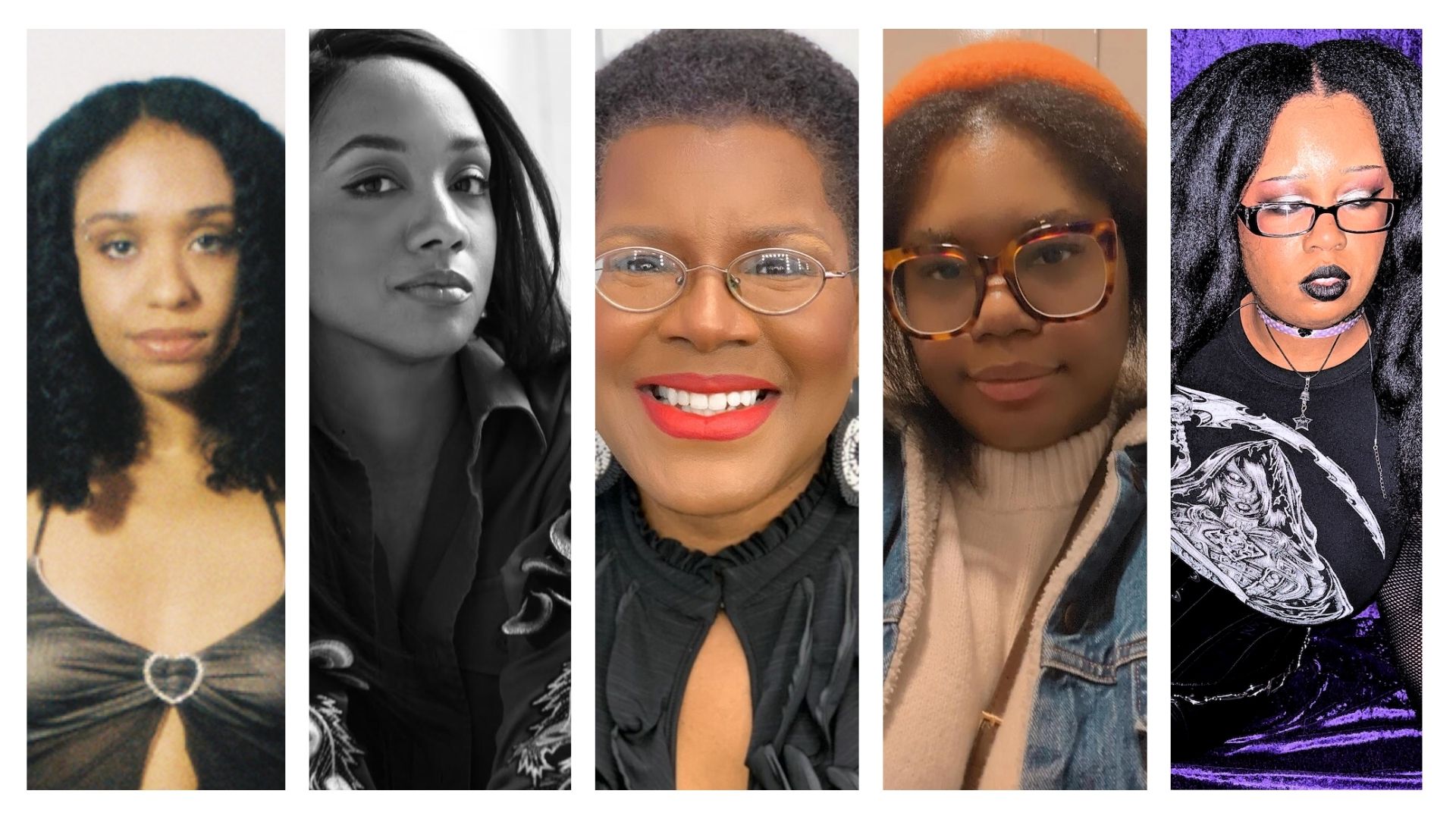
We deserve better. Much better. But I still love being a Black woman in horror — and that’s because of the women I get to create alongside.
Growing up a Black queer woman in a predominantly white neighborhood, I was no stranger to the everyday horrors of otherness. And at the height of my depression and anxiety, all I could write were dark, sad, and angry stories. Stories I hid away because who could — or rather, would want to — relate to that? It wasn’t until I was gifted award-winning author Tananarive Due’s “Ghost Stories: Summer,” a collection of short stories that explored Black life and identity with nuance and care, that I began to glean a larger meaning in what I felt and experienced. In her words, I found both refreshing honesty and healing, and I started to ask myself how I, too, could bring catharsis to people who needed it.
Before long, I was diving into the bold legacy of Black horror — especially drawn to Black women in the genre — by watching films like Nikyatu Jusu’s “Nanny” and reading Robin R. Means Coleman’s Black horror analysis “Horror Noire: A History of Black American Horror from the 1890s to Present.” A hidden-in-plain-sight world opened up to me. A world that used fear to hold up a lens to our society. A world that bravely said Black survival and thrival were possible despite the intimate monsters of family trauma and isolation that I experienced in my personal life, and larger monsters of racism, sexism, and queerphobia that impacted countless more like me.
In 2022, I began writing my first book, “I Want to Love My Own Life,” and I knew it would be a horror. Today, Black women horror fans remain my largest audience. Whenever I doubt my talents and my purpose, Black women in horror, from filmmakers to authors and fashion designers, are the examples that keep me trying. So, when I was invited to be a part of The Subtext’s community series, I decided quickly to use this opportunity to thank and celebrate a few of these women who have not only inspired my writing career but also empowered my personal growth. Through their artistry, kindness, and courage, I have become a woman and writer who is not only able to face what frightens me, but to learn from it. I hope that the following “love letters” to some of my scary sisters will remind them of the importance of their stories and their beings — and bring more supporters to their critical work.
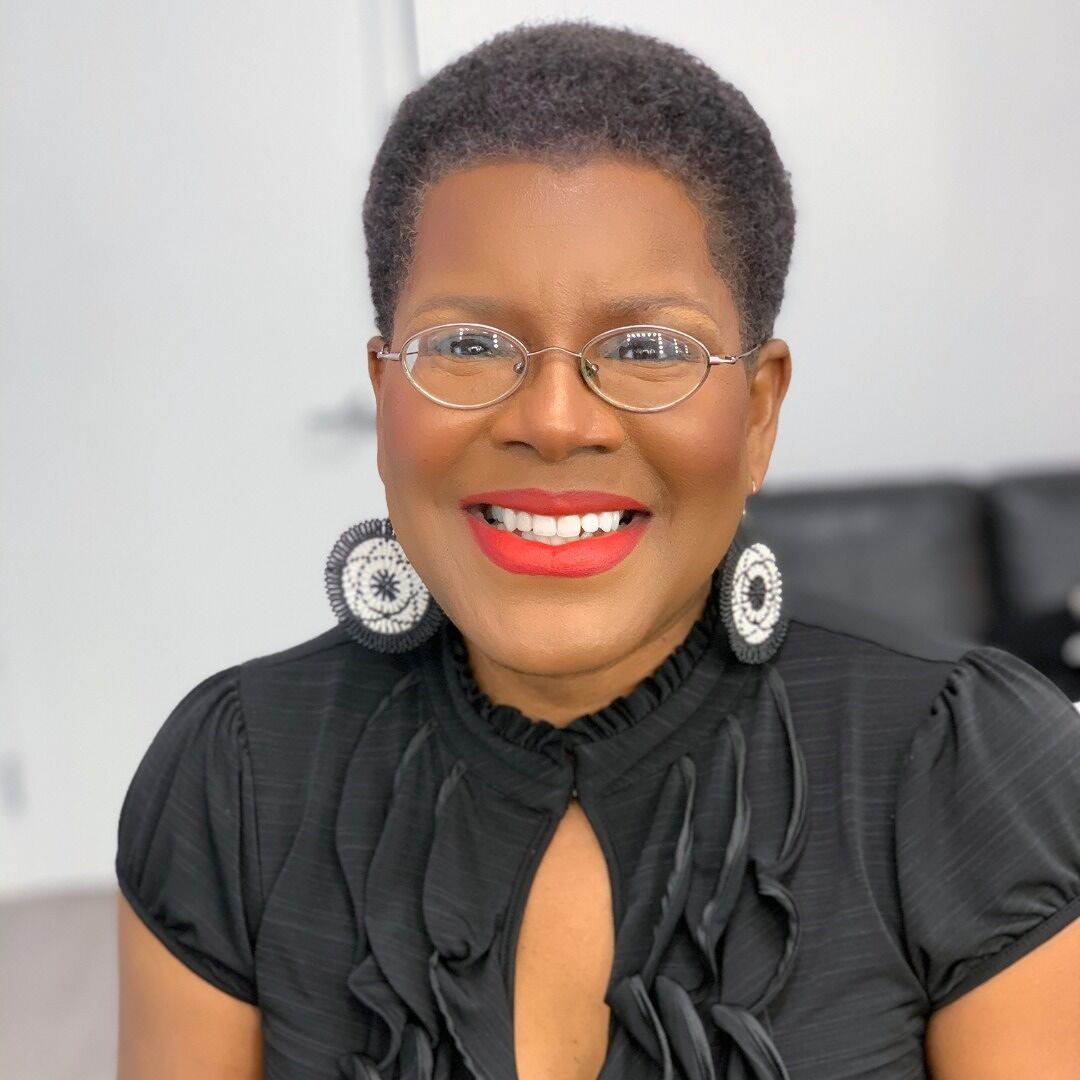
Tananarive Due
Professor, producer, and author of “The Reformatory”
Tananarive,
You shared with me that at your first Horror Writers Association meeting, poet Linda D. Addison was the only other Black woman there. Now, dozens of Black women have started to take up space in the horror genre, and that’s due, in no small part, to your shining example and your willingness to use your career success to champion others. From writing introductions for anthologies like “The Black Girl Survives This One” to educating and inspiring your students as a professor of Black Horror and Afrofuturism at UCLA, you are the reason I now go to horror conventions and get to meet groups of like-minded Black women. Your latest novel, “The Reformatory,” has received a Bram Stoker Award, World Fantasy Award, and a Shirley Jackson Award, to name a few. You're deep in press to promote your forthcoming historical fiction, “Mazywood.” Still, you made time to speak with me about the importance of Black horror and my place in it.
“When you are mentored by people early in your career, it makes you eager to mentor others whenever possible,” you said. “That's what we should all do.”
Erin E. Adams
Actress and author of “Jackal”
Erin,
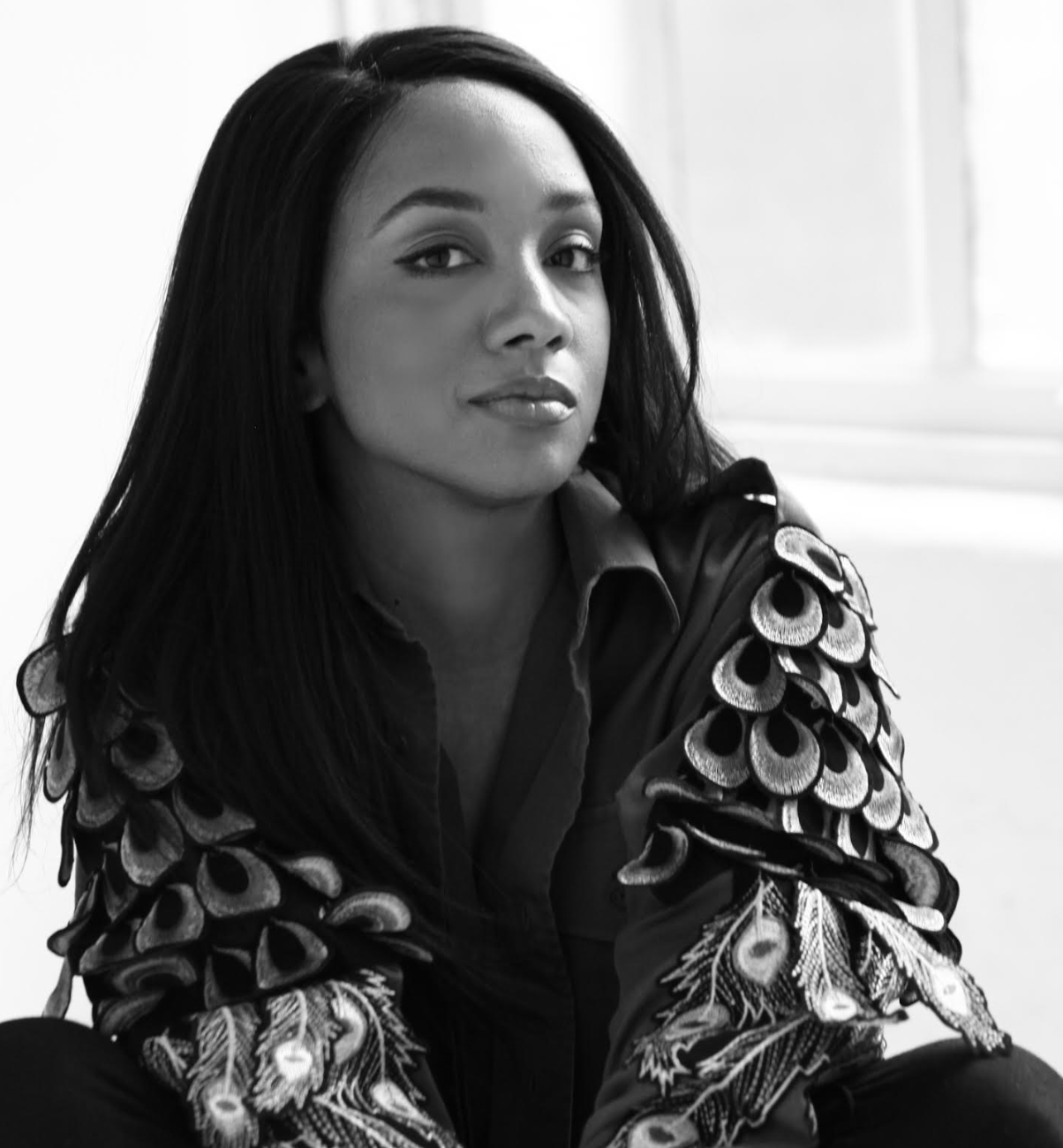
You once told me, “Horror is the one genre that demands uncomfortability from the reader and the writer at times. It's through being uncomfortable that, for a lot of people, change starts to happen. And yes, larger societal change, but also just the change in feeling a little bit less alone, or the change in being able to see something for what it really is.”
I read your debut novel, “Jackal,” over the holidays. At the time, I’d just had a long-overdue and very difficult conversation with my sister that I feared would change the dynamic of our relationship. Because of the strain, I didn’t go home for Christmas. Instead, “Jackal” was my community. I read as main character Liz Rocher returned to her hometown after a long absence with all of the anxiety and subdued hope I was feeling. Through her story, and your tender and honest prose, I felt both seen and comforted. And as Liz fought not only for the safety of her loved ones but for herself, I remembered that healing must often begin internally before we can fully share it with others. As you prepare to release your second novel, “One of You,” know that your words have helped so many, including me, change for the better.
Nailah King
Author and horror content creator
Nailah,
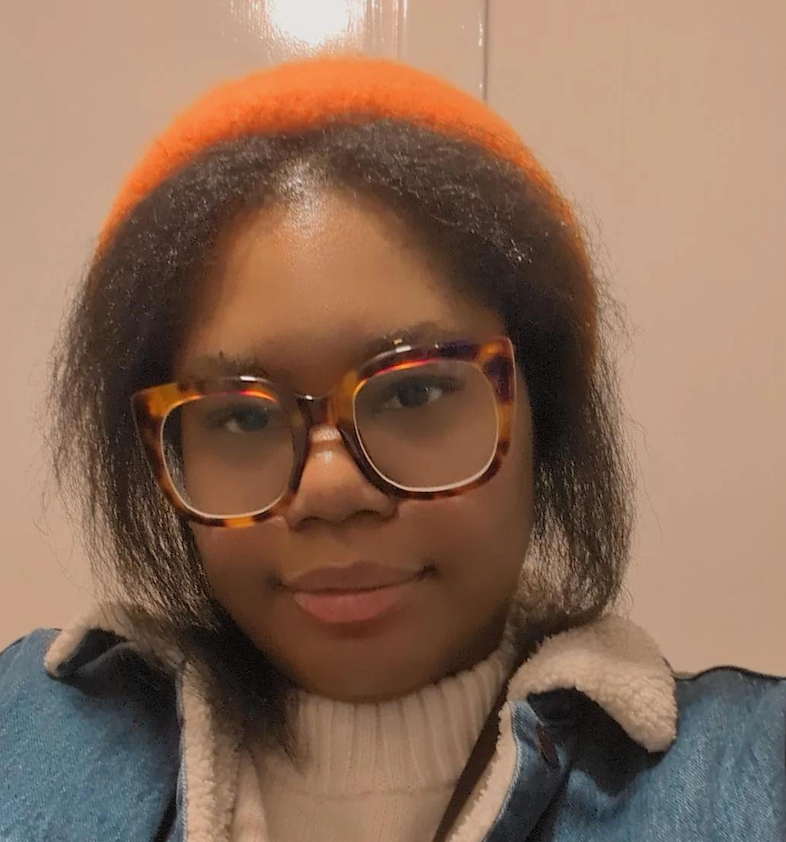
Where do I begin? You felt like a friend even before our first official meeting. And in a genre that tries to diminish our voices, your sharing opportunities and encouragement has sustained my writing practice and my feelings of worthiness in moments when I needed it most. From your social media roundups highlighting underappreciated Black voices in horror to your authenticity and vulnerability with sharing your own writing process, you embody what it means to lift as you rise.
When we last spoke, you reminded me that there are people and organizations eager to support writers like us. From submitting to platforms like Midnight & Indigo and Writing and Killing Unicorns to connecting with contemporary peers online and in person, you said that Black women don’t have to navigate horror — or life — alone.
“Don’t be afraid to talk to people,” you said. “It can take a while to build, but I think it’s worth it.”
Nia Lovemore
Comic book creator, illustrator, and fashion designer
Nia,
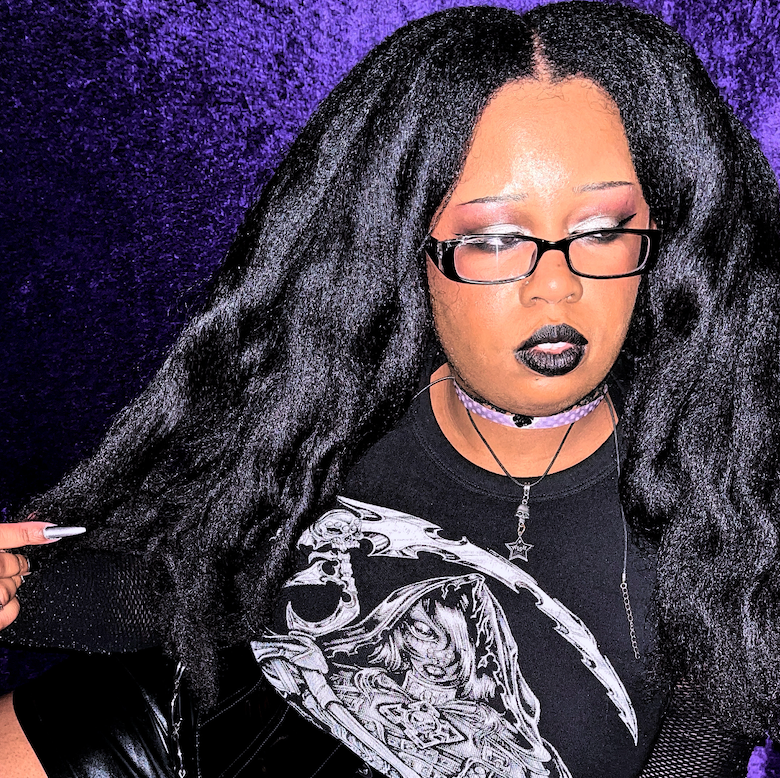
You helped bring my debut novel to life — and showed me that someone beyond myself could see the value and passion in my words. I hadn’t even let my mom read the book yet (and I share everything with her) because I was so nervous. You not only told me it was, but you designed my cover and illustrations to accompany each chapter, turning the book into a work of whimsical and dark art. I have one of those illustrations tattooed on my hand, a piece of our beautiful collaboration that I take with me always.
You said, “Black alternative people are literally the coolest, most talented, and passionate people I’ve ever met in my life. We deserve so dearly to be main characters, to have stories about us that center our plight and journey. The only people who are going to do that are us.”
Thank you for creating unique worlds where we can see ourselves be both strong and flawed. Human and supernatural. I can’t wait for the day we create together again.
BIO
Nadira Jamerson is a journalist and award-winning speculative fiction writer. Her work explores themes including Black and queer survival, mental health, and the power of hope. Beyond the page, she enjoys teaching writing workshops in her local community, where she helps others tap into their creative spirit. You can stay connected with her on nadiraxrene.com.
Let’s be honest: Black women in horror continue to be sidelined. While there has yet to be a nationwide survey on the percentage of Black women in horror, Lee & Low Books found that only 5.3% of all books published in 2023 were by Black authors — and even fewer were by Black women. None of the directors across 2025’s 100 top-grossing films were Black women. And in 2019, research published in “Haunted Collections: The Representation of Female Horror” found that female horror authors were more likely to be excluded from library collections than included, with levels of exclusion in library catalogs increasing for women of color.
We deserve better. Much better. But I still love being a Black woman in horror — and that’s because of the women I get to create alongside.
Growing up a Black queer woman in a predominantly white neighborhood, I was no stranger to the everyday horrors of otherness. And at the height of my depression and anxiety, all I could write were dark, sad, and angry stories. Stories I hid away because who could — or rather, would want to — relate to that? It wasn’t until I was gifted award-winning author Tananarive Due’s “Ghost Stories: Summer,” a collection of short stories that explored Black life and identity with nuance and care, that I began to glean a larger meaning in what I felt and experienced. In her words, I found both refreshing honesty and healing, and I started to ask myself how I, too, could bring catharsis to people who needed it.
Before long, I was diving into the bold legacy of Black horror — especially drawn to Black women in the genre — by watching films like Nikyatu Jusu’s “Nanny” and reading Robin R. Means Coleman’s Black horror analysis “Horror Noire: A History of Black American Horror from the 1890s to Present.” A hidden-in-plain-sight world opened up to me. A world that used fear to hold up a lens to our society. A world that bravely said Black survival and thrival were possible despite the intimate monsters of family trauma and isolation that I experienced in my personal life, and larger monsters of racism, sexism, and queerphobia that impacted countless more like me.
In 2022, I began writing my first book, “I Want to Love My Own Life,” and I knew it would be a horror. Today, Black women horror fans remain my largest audience. Whenever I doubt my talents and my purpose, Black women in horror, from filmmakers to authors and fashion designers, are the examples that keep me trying. So, when I was invited to be a part of The Subtext’s community series, I decided quickly to use this opportunity to thank and celebrate a few of these women who have not only inspired my writing career but also empowered my personal growth. Through their artistry, kindness, and courage, I have become a woman and writer who is not only able to face what frightens me, but to learn from it. I hope that the following “love letters” to some of my scary sisters will remind them of the importance of their stories and their beings — and bring more supporters to their critical work.
Tananarive Due
Professor, producer, and author of “The Reformatory”
Tananarive,
You shared with me that at your first Horror Writers Association meeting, poet Linda D. Addison was the only other Black woman there. Now, dozens of Black women have started to take up space in the horror genre, and that’s due, in no small part, to your shining example and your willingness to use your career success to champion others. From writing introductions for anthologies like “The Black Girl Survives This One” to educating and inspiring your students as a professor of Black Horror and Afrofuturism at UCLA, you are the reason I now go to horror conventions and get to meet groups of like-minded Black women. Your latest novel, “The Reformatory,” has received a Bram Stoker Award, World Fantasy Award, and a Shirley Jackson Award, to name a few. You're deep in press to promote your forthcoming historical fiction, “Mazywood.” Still, you made time to speak with me about the importance of Black horror and my place in it.
“When you are mentored by people early in your career, it makes you eager to mentor others whenever possible,” you said. “That's what we should all do.”
Erin E. Adams
Actress and author of “Jackal”
Erin,
You once told me, “Horror is the one genre that demands uncomfortability from the reader and the writer at times. It's through being uncomfortable that, for a lot of people, change starts to happen. And yes, larger societal change, but also just the change in feeling a little bit less alone, or the change in being able to see something for what it really is.”
I read your debut novel, “Jackal,” over the holidays. At the time, I’d just had a long-overdue and very difficult conversation with my sister that I feared would change the dynamic of our relationship. Because of the strain, I didn’t go home for Christmas. Instead, “Jackal” was my community. I read as main character Liz Rocher returned to her hometown after a long absence with all of the anxiety and subdued hope I was feeling. Through her story, and your tender and honest prose, I felt both seen and comforted. And as Liz fought not only for the safety of her loved ones but for herself, I remembered that healing must often begin internally before we can fully share it with others. As you prepare to release your second novel, “One of You,” know that your words have helped so many, including me, change for the better.
Nailah King
Author and horror content creator
Nailah,
Where do I begin? You felt like a friend even before our first official meeting. And in a genre that tries to diminish our voices, your sharing opportunities and encouragement has sustained my writing practice and my feelings of worthiness in moments when I needed it most. From your social media roundups highlighting underappreciated Black voices in horror to your authenticity and vulnerability with sharing your own writing process, you embody what it means to lift as you rise.
When we last spoke, you reminded me that there are people and organizations eager to support writers like us. From submitting to platforms like Midnight & Indigo and Writing and Killing Unicorns to connecting with contemporary peers online and in person, you said that Black women don’t have to navigate horror — or life — alone.
“Don’t be afraid to talk to people,” you said. “It can take a while to build, but I think it’s worth it.”
Nia Lovemore
Comic book creator, illustrator, and fashion designer
Nia,
You helped bring my debut novel to life — and showed me that someone beyond myself could see the value and passion in my words. I hadn’t even let my mom read the book yet (and I share everything with her) because I was so nervous. You not only told me it was, but you designed my cover and illustrations to accompany each chapter, turning the book into a work of whimsical and dark art. I have one of those illustrations tattooed on my hand, a piece of our beautiful collaboration that I take with me always.
You said, “Black alternative people are literally the coolest, most talented, and passionate people I’ve ever met in my life. We deserve so dearly to be main characters, to have stories about us that center our plight and journey. The only people who are going to do that are us.”
Thank you for creating unique worlds where we can see ourselves be both strong and flawed. Human and supernatural. I can’t wait for the day we create together again.
BIO
Nadira Jamerson is a journalist and award-winning speculative fiction writer. Her work explores themes including Black and queer survival, mental health, and the power of hope. Beyond the page, she enjoys teaching writing workshops in her local community, where she helps others tap into their creative spirit. You can stay connected with her on nadiraxrene.com.