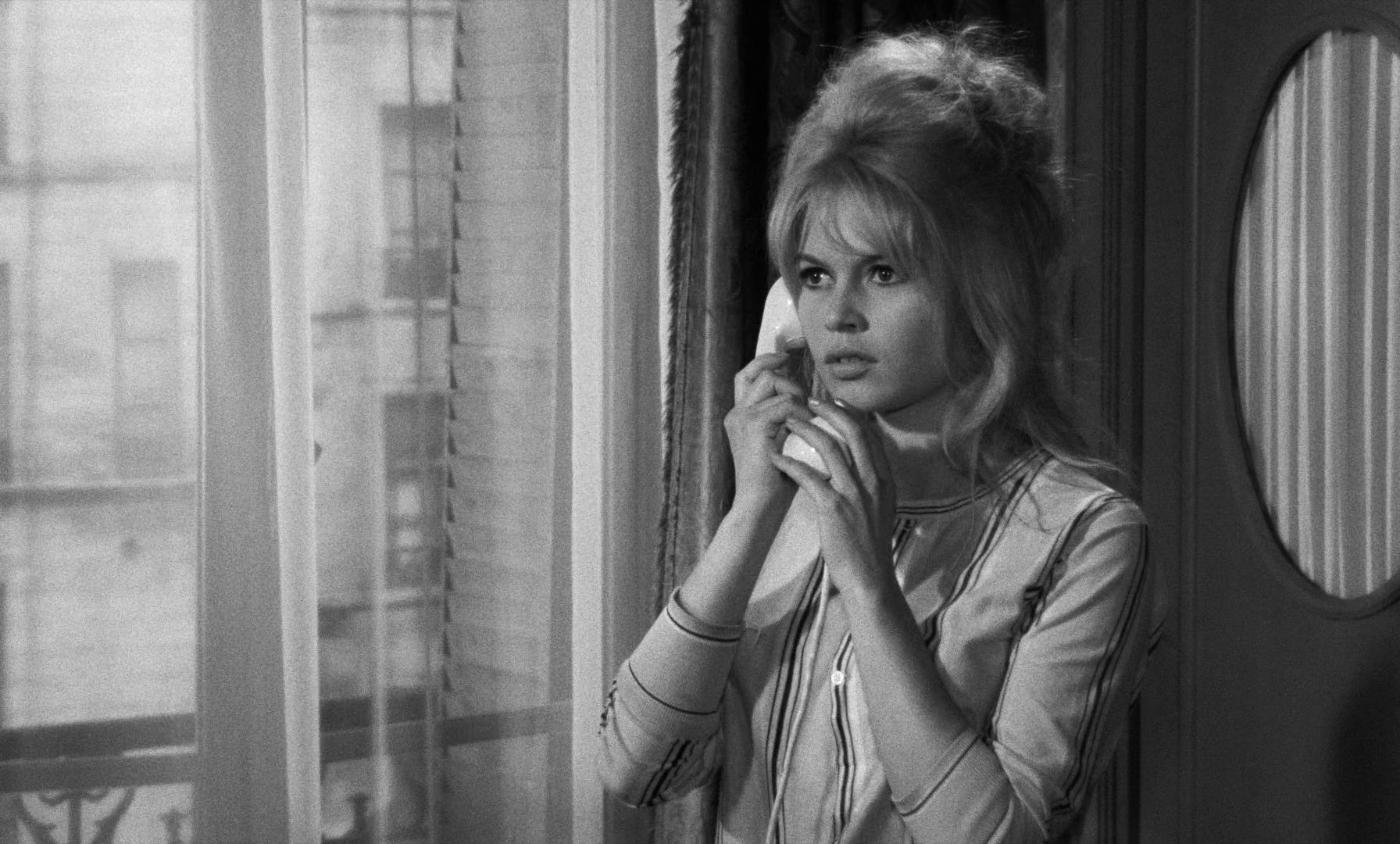
With a deep history of gender representations being shaped by branding, gender has become one of the most convenient and unavoidable storytelling tools brands can turn to. Today, brands have to decide if they’ll perform familiar gender roles, comment on them, or try to subvert them. Representing a gender ideal isn’t a question of if, but how. Gender representation has become a strategic and creative choice in positioning. Ideological values about how gender should be understood in the modern era are being interpreted alongside KPIs and social media strategies.
Gender scripts are immediately legible ways to resonate with specific groups of people. In a moment where conservatism feels culturally trendy, brands are relying on gendered scripts as comfortable, relatable storytelling tools. But relying heavily on gender in branding means relying on a narrative that was already written. Whether brands are mocking gender stereotypes or aestheticizing them, they’re still leaning on cultural scripts that audiences already recognize to do a lot of the heavy lifting. The script may be ironic or aspirational, but gender is in the background of how many brands are shaping their storytelling.
In the final installment of Gender and Brand, I’ll look at a few brands—Girl Beer, Man Cereal, and Rhode Skin—to examine how these brands fit into constructed stories around gender.
Ironic Gendered Branding
A few modern brands are taking a loud and proud approach to their gendered branding, fully leaning into exaggerated gender performance as the central joke behind the brand’s strategy.
The Girl Beer brand caught my attention through LinkedIn, where everyone and their creative director were sounding off in the comments with their take. The name Girl Beer especially feels like a classic “all press is good press” tactic meant to spark the exact type of conversation I’ve witnessed around this brand. This branding approach is like creating an inside joke with the audience, but not everyone is laughing.


Much like the “girl dinner” or “girl math” tropes that haunted social media a year or two ago, the name is clearly meant to be tongue-in-cheek. They directly call this out with the line “we’re doubting the name, too.”
While I don’t think the brand is actually suggesting that women can’t or don’t drink other types of beer, I find this joke (and the other girl jokes) annoying because the humor is entirely on the back of the stereotype it’s poking at. At this point, any “just a girl” derivative is starting to feel like the same out-of-touch brand cringe that led Duolingo to kill off its mascot—a move that felt necessary after the brand’s distinct, ironic tone had run its course.
The packaging for the light beer uses a chic, chrome aesthetic with colorful accents and features labels detailing their interesting flavors like Blueberry Lavender and Grapefruit Guava. Branding beer in a way that deviates from the hyper-masculine rough and tough vibe could easily fill a gap in the market. There’s nothing wrong with marketing toward women. The question is, do we really want to keep being spoken to this way? As a non-beer-drinking lady, this branding (even with the genius inclusion of a Blueberry Lavender flavor) isn’t doing much to entice me enough to break my streak.


As a sidenote, some of Girl Beer’s branding is genuinely funny. The random callouts of a fictional “Connor” on their social posts and nods at common modern struggles of womanhood are wholesome and entertaining. But I worry that the irony-poisoning we’re seeing everywhere today will become to Gen Z what the bubble lettering and bright coloring is to millennials—except kind of worse, because at least the bubble letters aren’t hiding behind a layer of detachment.
Ironic detachment works because it feels light, giggly, and doesn’t take itself too seriously, which makes sense in a market sick of overplayed empowerment narratives. But going the full ironic way can start to feel a bit trite when the product itself is so explicitly gendered. Like, maybe we laugh the first time we see it. But with repetition, the laugh fades to a subtle feeling of unease. An ironic, but still present, reminder of the gender narratives we still consume every day.
Man Cereal employs a similarly unserious branding approach, leaning into an exaggerated display of no-frills rugged masculinity in cereal form. Like Girl Beer, the branding of Man Cereal is intentionally designed to be an inside joke with the audience. The white cereal boxes with minimal, no-frills copy detailing the contents of the creatine cereal evoke an image of a man sitting down for breakfast at his desk (no kitchen table) surrounded by blank walls, only concerned with what’s between him and his gains.
The language is simple, not flowery or frilly, with the personality of the average Sigma Chi.

Although they give a little more range than the Marlboro Man, their descriptors for the flavors of masculinity are worth a double take. Salted Fudge is described as classic, decadent, and dominating. Hmm, wonder what that’s all about? Maple bacon is sweet, smokey, and…sigma? Major eye-roll.
The flavor that has me squinting the hardest is Fruity, described as loud, juicy, and legendary. I don’t know who is on the branding team, but this feels like it could easily be a microaggression.

These brands are both carried by cultural scripts that do the heavy lifting in the storytelling. I don’t think people would have taken very kindly to this type of branding just 10 years ago. It could be that we’ve made so much progress in gender equality since then that jokes just feel less heavy now. But judging by the fact that in the past 10 years Roe V. Wade has been overturned, Donald Trump got elected (twice), and the Overton window has somehow shifted to include debates around the 19th amendment—I'm going to take the wild leap that increased progress is not the reason for the comfort. More likely, because gender is more top of mind than ever, it’s easier than ever for brands to cling onto gendered cultural scripts (even ironically).
That’s not to say that Girl Beer and Man Cereal are anti-feminist brands or that they’re spreading an especially harmful message. They’re not. They’re simply reflecting culture as it is right now.
Not every brand needs to make a statement against the gender regression we’re seeing in this political climate, but the ones that will hold up throughout time will be the ones that create their own narrative, not ones that satirize a specific 2020s flavor of the same b.s we’ve been hearing since the 1940s.
These brands run into a similar cultural roadblock that Billie does: it reveals how difficult it is for a brand to detach itself from the negative cultural stereotype it’s critiquing or satirizing. The storytelling depends on that cultural script to function. It’s not bad—it just exists in a cultural and historical context. In other words, Girl Beer did not fall out of a coconut tree.
Women as Consumables
While in the mid century, women were represented as either domestic laborers or trophies—there’s an interesting trend going on in beauty right now that mirrors this dynamic. Women are being represented as consumable, with constant parallels to food appearing in product names and imagery. An especially interesting example of this is Rhode Skin—Hailey Bieber’s beauty and skincare brand.
One of Hailey Bieber’s most recognizable features, a cornerstone of Rhode Skin’s branding, is her glowing complexion characterized as “glazed donut” skin. Rhode’s product names like glazing milk, toast, and raspberry jelly echo the indulgent food-centered narrative. Images in this branding often evoke the idea of food or consumption, but in a more artful way than just showing someone eating something. Instead, they show a close-up shot of a perfectly glossed lip biting down on an ice cube or a piece of cake up against the viral lip butter.

These metaphors liken femininity with indulgence and "consumability". It is more subtle than the ironic branding of Girl Beer and Man Cereal, but still undoubtedly affected by the standards of the past. Rhode creates an aspiration for women to look good enough to eat, but subtly signals untouchability and a chicness to it. The idea that the food featured in the ads is never being consumed by the woman suggests that maybe it’s not supposed to be. Instead, the food becomes a metaphor for the woman’s beauty. Pristine, beautiful, and tempting.
Hailey Bieber as a figure, and the Rhode brand generally, are probably the most personified example of the “clean girl aesthetic” we have seen. An aesthetic obsessed with an archetype of pristine and untouchable woman with flawless skin and the perfect “no makeup makeup” look. The idea of clean girl aesthetic has long been criticized for its racist and classist undertones, as historically the idea of “cleanliness” has been tied to white people and to having money.
This branding model bears a striking resemblance to Glossier, a brand that probably peaked in cultural relevancy in the later half of the 2010s, championing the idea of “skincare first, makeup second.” Although Glossier isn’t a perfect feminist ideal of branding, comparing their marketing tactics to Rhode’s shows how over the past half a decade, the representations of this specific type of stripped down femininity have changed quite a bit.
Although Glossier in many ways invented this type of beauty, Rhode solidified the “clean girl” standard into what it is today. A predominately white, overly sanitized and curated version of femininity that positions women not as artful, creative, or expressive. But instead as indulgences ready for consumption by the world.
Gender is one of the oldest and deeply embedded cultural stories we have, one that inevitably shows up in branding. Especially now, when transgender people are facing political attacks and women’s reproductive rights are being stripped away, representations of gender in culture feel especially charged. While brands won’t be the main advocates of social change, the way they engage with gender still produces a cultural echo.
The brands that withstand cultural swings are often the ones willing to take a clear stance in alignment with progressive values. True cultural staying power can’t be achieved with the sharpest tagline or wittiest Instagram strategy alone—it requires a point of view that understands these embedded stories without relying on them to do all the storytelling.
Izzy Colón is a culture writer, creative copywriter, and Contributing Writer for The Subtext. She lives in Chicago, where she spends as much time collecting stories as she does writing them.
With a deep history of gender representations being shaped by branding, gender has become one of the most convenient and unavoidable storytelling tools brands can turn to. Today, brands have to decide if they’ll perform familiar gender roles, comment on them, or try to subvert them. Representing a gender ideal isn’t a question of if, but how. Gender representation has become a strategic and creative choice in positioning. Ideological values about how gender should be understood in the modern era are being interpreted alongside KPIs and social media strategies.
Gender scripts are immediately legible ways to resonate with specific groups of people. In a moment where conservatism feels culturally trendy, brands are relying on gendered scripts as comfortable, relatable storytelling tools. But relying heavily on gender in branding means relying on a narrative that was already written. Whether brands are mocking gender stereotypes or aestheticizing them, they’re still leaning on cultural scripts that audiences already recognize to do a lot of the heavy lifting. The script may be ironic or aspirational, but gender is in the background of how many brands are shaping their storytelling.
In the final installment of Gender and Brand, I’ll look at a few brands—Girl Beer, Man Cereal, and Rhode Skin—to examine how these brands fit into constructed stories around gender.
Ironic Gendered Branding
A few modern brands are taking a loud and proud approach to their gendered branding, fully leaning into exaggerated gender performance as the central joke behind the brand’s strategy.
The Girl Beer brand caught my attention through LinkedIn, where everyone and their creative director were sounding off in the comments with their take. The name Girl Beer especially feels like a classic “all press is good press” tactic meant to spark the exact type of conversation I’ve witnessed around this brand. This branding approach is like creating an inside joke with the audience, but not everyone is laughing.
Much like the “girl dinner” or “girl math” tropes that haunted social media a year or two ago, the name is clearly meant to be tongue-in-cheek. They directly call this out with the line “we’re doubting the name, too.”
While I don’t think the brand is actually suggesting that women can’t or don’t drink other types of beer, I find this joke (and the other girl jokes) annoying because the humor is entirely on the back of the stereotype it’s poking at. At this point, any “just a girl” derivative is starting to feel like the same out-of-touch brand cringe that led Duolingo to kill off its mascot—a move that felt necessary after the brand’s distinct, ironic tone had run its course.
The packaging for the light beer uses a chic, chrome aesthetic with colorful accents and features labels detailing their interesting flavors like Blueberry Lavender and Grapefruit Guava. Branding beer in a way that deviates from the hyper-masculine rough and tough vibe could easily fill a gap in the market. There’s nothing wrong with marketing toward women. The question is, do we really want to keep being spoken to this way? As a non-beer-drinking lady, this branding (even with the genius inclusion of a Blueberry Lavender flavor) isn’t doing much to entice me enough to break my streak.
As a sidenote, some of Girl Beer’s branding is genuinely funny. The random callouts of a fictional “Connor” on their social posts and nods at common modern struggles of womanhood are wholesome and entertaining. But I worry that the irony-poisoning we’re seeing everywhere today will become to Gen Z what the bubble lettering and bright coloring is to millennials—except kind of worse, because at least the bubble letters aren’t hiding behind a layer of detachment.
Ironic detachment works because it feels light, giggly, and doesn’t take itself too seriously, which makes sense in a market sick of overplayed empowerment narratives. But going the full ironic way can start to feel a bit trite when the product itself is so explicitly gendered. Like, maybe we laugh the first time we see it. But with repetition, the laugh fades to a subtle feeling of unease. An ironic, but still present, reminder of the gender narratives we still consume every day.
Man Cereal employs a similarly unserious branding approach, leaning into an exaggerated display of no-frills rugged masculinity in cereal form. Like Girl Beer, the branding of Man Cereal is intentionally designed to be an inside joke with the audience. The white cereal boxes with minimal, no-frills copy detailing the contents of the creatine cereal evoke an image of a man sitting down for breakfast at his desk (no kitchen table) surrounded by blank walls, only concerned with what’s between him and his gains.
The language is simple, not flowery or frilly, with the personality of the average Sigma Chi.
Although they give a little more range than the Marlboro Man, their descriptors for the flavors of masculinity are worth a double take. Salted Fudge is described as classic, decadent, and dominating. Hmm, wonder what that’s all about? Maple bacon is sweet, smokey, and…sigma? Major eye-roll.
The flavor that has me squinting the hardest is Fruity, described as loud, juicy, and legendary. I don’t know who is on the branding team, but this feels like it could easily be a microaggression.
These brands are both carried by cultural scripts that do the heavy lifting in the storytelling. I don’t think people would have taken very kindly to this type of branding just 10 years ago. It could be that we’ve made so much progress in gender equality since then that jokes just feel less heavy now. But judging by the fact that in the past 10 years Roe V. Wade has been overturned, Donald Trump got elected (twice), and the Overton window has somehow shifted to include debates around the 19th amendment—I'm going to take the wild leap that increased progress is not the reason for the comfort. More likely, because gender is more top of mind than ever, it’s easier than ever for brands to cling onto gendered cultural scripts (even ironically).
That’s not to say that Girl Beer and Man Cereal are anti-feminist brands or that they’re spreading an especially harmful message. They’re not. They’re simply reflecting culture as it is right now.
Not every brand needs to make a statement against the gender regression we’re seeing in this political climate, but the ones that will hold up throughout time will be the ones that create their own narrative, not ones that satirize a specific 2020s flavor of the same b.s we’ve been hearing since the 1940s.
These brands run into a similar cultural roadblock that Billie does: it reveals how difficult it is for a brand to detach itself from the negative cultural stereotype it’s critiquing or satirizing. The storytelling depends on that cultural script to function. It’s not bad—it just exists in a cultural and historical context. In other words, Girl Beer did not fall out of a coconut tree.
Women as Consumables
While in the mid century, women were represented as either domestic laborers or trophies—there’s an interesting trend going on in beauty right now that mirrors this dynamic. Women are being represented as consumable, with constant parallels to food appearing in product names and imagery. An especially interesting example of this is Rhode Skin—Hailey Bieber’s beauty and skincare brand.
One of Hailey Bieber’s most recognizable features, a cornerstone of Rhode Skin’s branding, is her glowing complexion characterized as “glazed donut” skin. Rhode’s product names like glazing milk, toast, and raspberry jelly echo the indulgent food-centered narrative. Images in this branding often evoke the idea of food or consumption, but in a more artful way than just showing someone eating something. Instead, they show a close-up shot of a perfectly glossed lip biting down on an ice cube or a piece of cake up against the viral lip butter.
These metaphors liken femininity with indulgence and "consumability". It is more subtle than the ironic branding of Girl Beer and Man Cereal, but still undoubtedly affected by the standards of the past. Rhode creates an aspiration for women to look good enough to eat, but subtly signals untouchability and a chicness to it. The idea that the food featured in the ads is never being consumed by the woman suggests that maybe it’s not supposed to be. Instead, the food becomes a metaphor for the woman’s beauty. Pristine, beautiful, and tempting.
Hailey Bieber as a figure, and the Rhode brand generally, are probably the most personified example of the “clean girl aesthetic” we have seen. An aesthetic obsessed with an archetype of pristine and untouchable woman with flawless skin and the perfect “no makeup makeup” look. The idea of clean girl aesthetic has long been criticized for its racist and classist undertones, as historically the idea of “cleanliness” has been tied to white people and to having money.
This branding model bears a striking resemblance to Glossier, a brand that probably peaked in cultural relevancy in the later half of the 2010s, championing the idea of “skincare first, makeup second.” Although Glossier isn’t a perfect feminist ideal of branding, comparing their marketing tactics to Rhode’s shows how over the past half a decade, the representations of this specific type of stripped down femininity have changed quite a bit.
Although Glossier in many ways invented this type of beauty, Rhode solidified the “clean girl” standard into what it is today. A predominately white, overly sanitized and curated version of femininity that positions women not as artful, creative, or expressive. But instead as indulgences ready for consumption by the world.
Gender is one of the oldest and deeply embedded cultural stories we have, one that inevitably shows up in branding. Especially now, when transgender people are facing political attacks and women’s reproductive rights are being stripped away, representations of gender in culture feel especially charged. While brands won’t be the main advocates of social change, the way they engage with gender still produces a cultural echo.
The brands that withstand cultural swings are often the ones willing to take a clear stance in alignment with progressive values. True cultural staying power can’t be achieved with the sharpest tagline or wittiest Instagram strategy alone—it requires a point of view that understands these embedded stories without relying on them to do all the storytelling.
Izzy Colón is a culture writer, creative copywriter, and Contributing Writer for The Subtext. She lives in Chicago, where she spends as much time collecting stories as she does writing them.
Further Reading