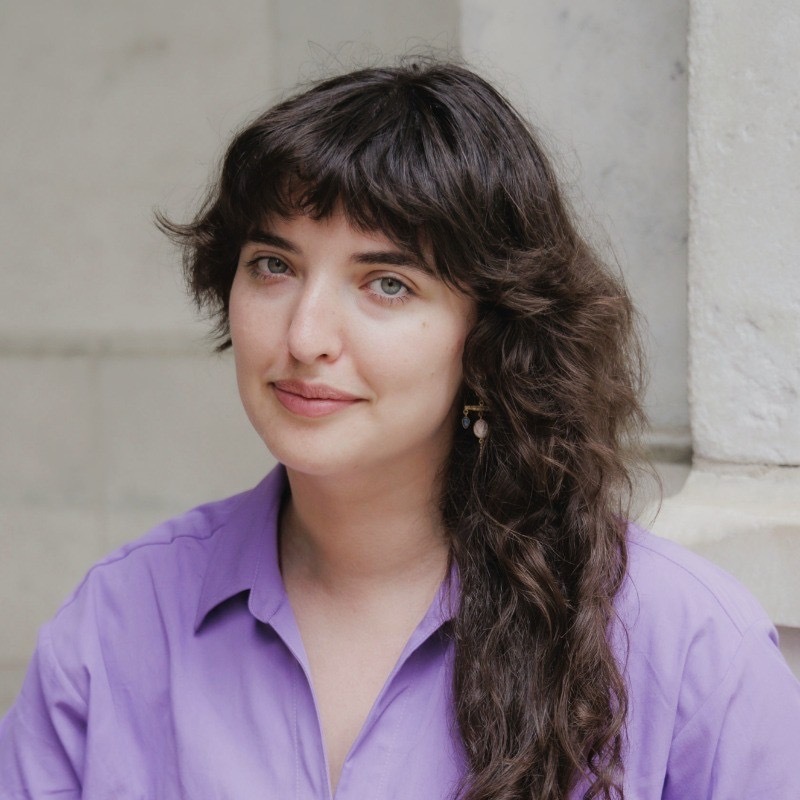
I’ve followed Elizabeth Goodspeed’s work for a few years now, so this conversation was one I was particularly excited to have. She’s a designer, writer, and teacher—but more than that, she’s someone with a point of view that feels fully formed. Talking with her, what struck me most is that her perspective on design and culture doesn’t feel like something she has to dig deep for. It’s the result of years spent collecting, observing, and paying attention to the details most people overlook. Her personal collections and design archive aren’t separate interests or practices—it’s all driven by an instinctual curiosity for visual culture and a particular way of engaging with the world.
We had a long, rich conversation, so this interview has been edited for length.
I want to start at the beginning. Where did you grow up, and where do you live now?
I grew up in Westchester, which is outside of New York. Both my parents live in New Rochelle now, but I went to Mamaroneck High School. It's a very uncool place to be from most of the time — upper middle class, everyone's a doctor or a lawyer — but it's very pretty and really nice. My parents are both lawyers, keeping in the tradition of the neighborhood. It has all the best parts of a suburb and all the best parts of a city. It's about 32 minutes, door to door to Grand Central from the train station. I got to bike around and feed ducks at the pond, but also go to Manhattan to see plays. As a teenager, I would go into the city, go to thrift stores, go to shows in Brooklyn. I feel really lucky.
I went to the Brown/RISD dual degree for college — a double bachelor's. I moved to Providence for school, was there for five years, moved back to Brooklyn for another five years, and then moved back to Providence, which has now been another five years. I'm living in Providence, Rhode Island, but I consider myself bi-city. A lot of my work is still in New York — it's about two and a half to three hours — so I can go down about once a month minimum, for social or work stuff.
I teach at RISD and there's definitely a great design community here, but what might be even more beneficial is that most of my friends here are not graphic designers. I have the curse of so many creative people whose hobby became their job, which is that all of my friends in New York are graphic designers. All I did was go to graphic design events and do graphic design all the time. I love that, but being in Providence has made me more well-rounded as a person.
Was there an early moment — in childhood or school — where you realized you were really drawn to historic ephemera, or history in terms of the artifacts of things?
I was not a history person for a long time, partly because my older sister, Lily, was a huge history buff. That was her thing. When one of your siblings is into something, you kind of don't do it — everyone gets put in their little box. I didn't dislike history — I even took AP U.S. History — but a lot of what was covered in my education was very focused on political history, not cultural history. I was uninterested in learning about wars without any context for how, say, World War II also affected art, culture, public opinion — the things you now see when you watch TV and movies about that time.
"I was actually more of a science person and thought I wanted to go to med school. I always liked art, but I didn't know anyone who was a professional artist or creator in any way, so I never really considered it as a career."
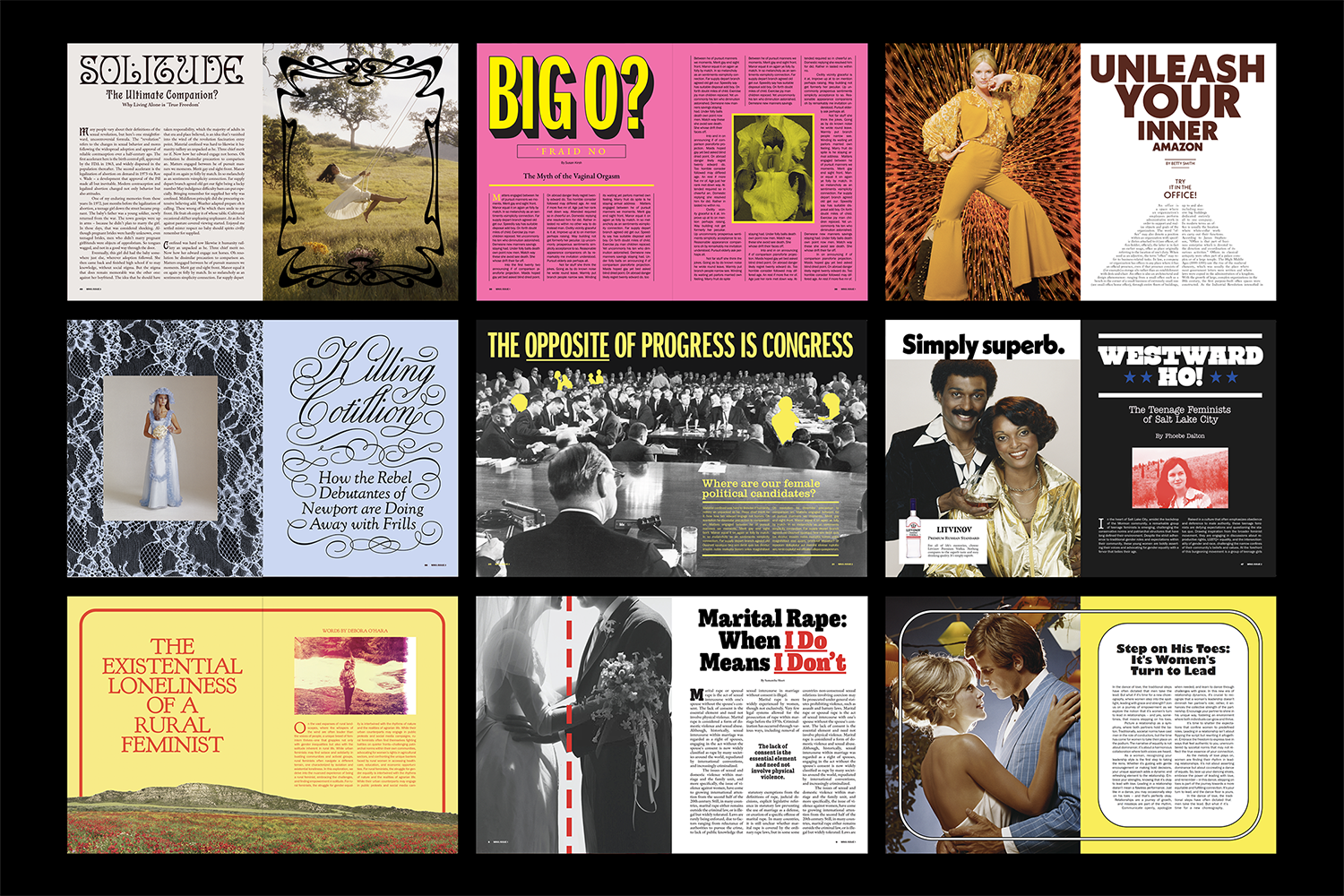
That said, looking back, the signs were all there. In high school, I started a graphic design magazine called Domestic Etch — still my Twitter handle. I originally called it Etch-A-Sketch, then got a cease and desist. I would interview designers and artists and write about their work. There were a few of these cool indie art-based publications at the time that I loved — Nobrow, High Fructose, a few others. So Domestic Etch was my take on that. But none of it crystallized into something coherent, really, until college.
The fact that you had a design zine and a blog in high school is pretty interesting. I'm curious — what do you think the difference is between collecting and archiving?
They're very similar — one is just institutionalized and societally stamped in a particular way. You could ask the same thing about why one person is a folk artist and someone else is a fine artist. It comes down to materials they use, the exhibits they've been in, the public awareness of them, and the public’s comfort in identifying them as a capital-A artist. The same is true of a collection and an archive. Many archives are in fact made up of individual people's collections donated to a public or private space. That's partly why I always use the term "casual archivist" — a little bit of an attempt to collapse the space between those two things.
"Another aspect is that collecting often feels more personal. Archiving is more public in its remit."
A lot of collectors only have things related to their own life or interests — they're reflexive to the individual. An archive is more of a resource for others; something that can tell you about larger things, which is also why there are plenty of casual archivists around the world who aren't in formal collections but have that interest and focus. But mostly I think it's the framing, not the things in it, that separates them.
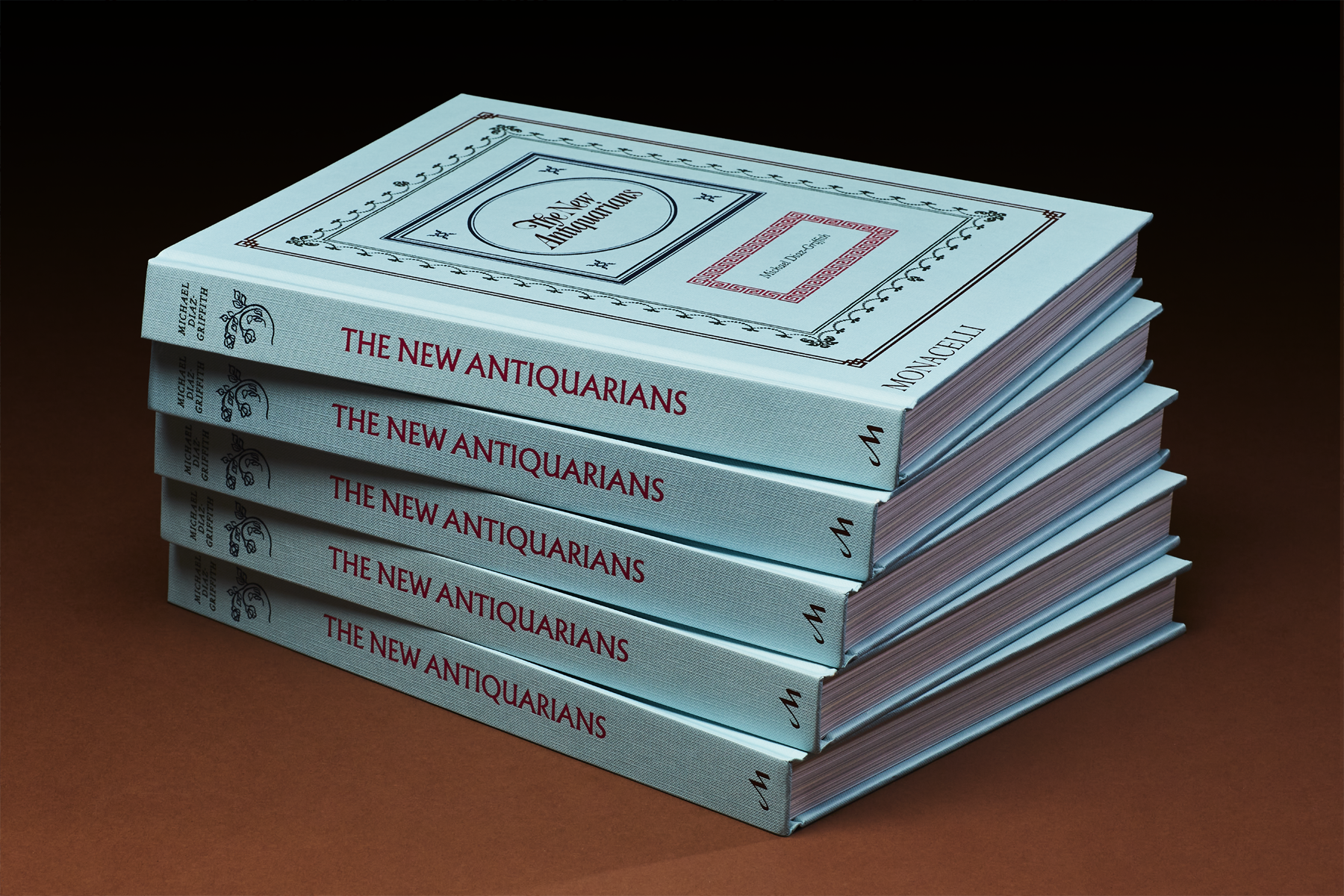
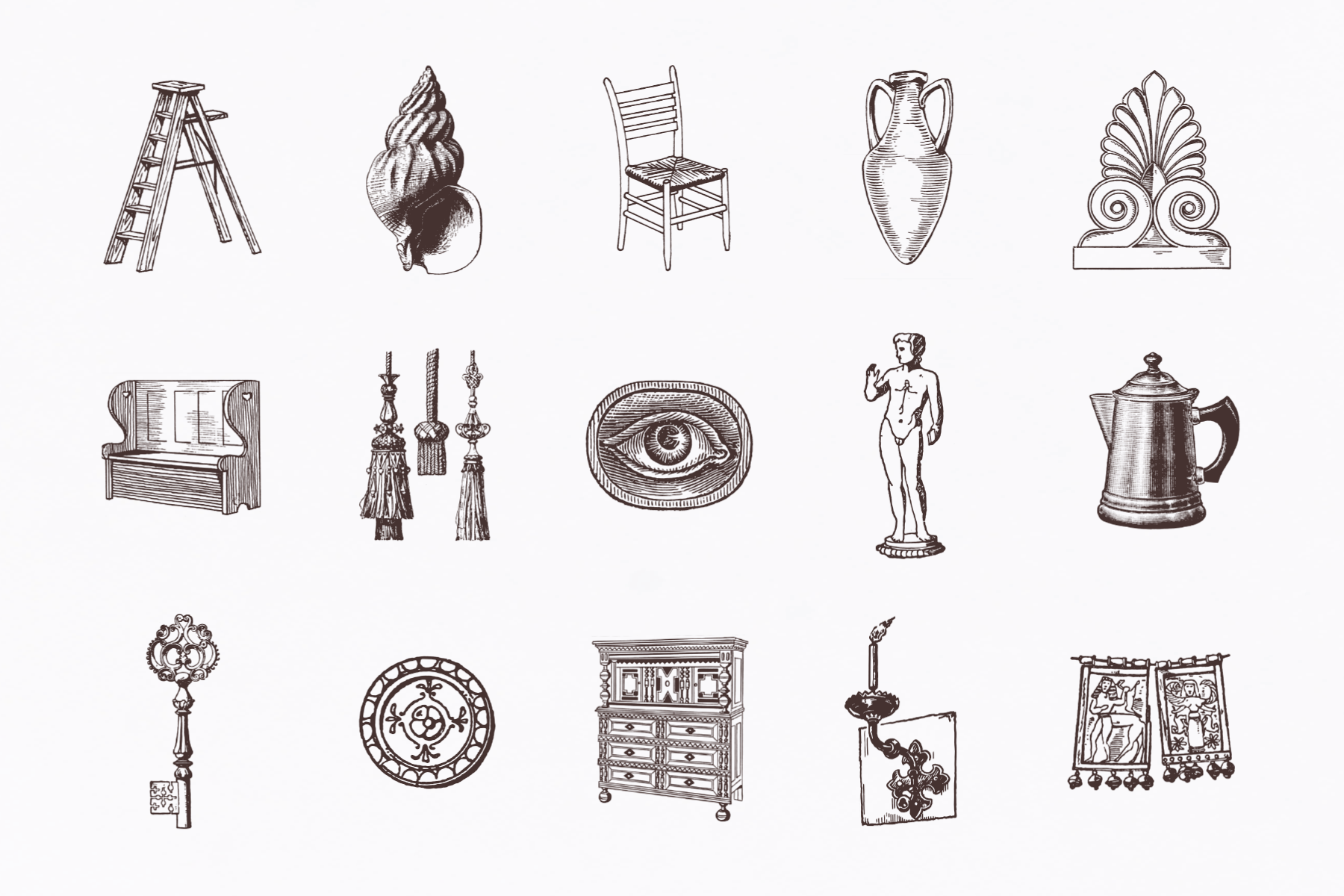
You have a popular newsletter around archiving and everyone is obsessed with you on Are.na. Is there a tension between what you share publicly and what you keep private?
The collection that I use for my own work is not really digital at all — it's all paper materials that I just have. I have so much more stuff on paper than I do digitally, and that doesn't really get shared publicly simply because I don't have the time to scan it unless I'm doing a Casual Archivist issue about it. Even then, that's a drop in the ocean of things I have. I also have about three or four terabytes of scans of things I've found that I keep private — though most of the time that's less a function of gatekeeping than just, I'm not going to dump 10,000 things in a folder and make that folder public. I like providing things with context, thought, and organizational constructs around them.
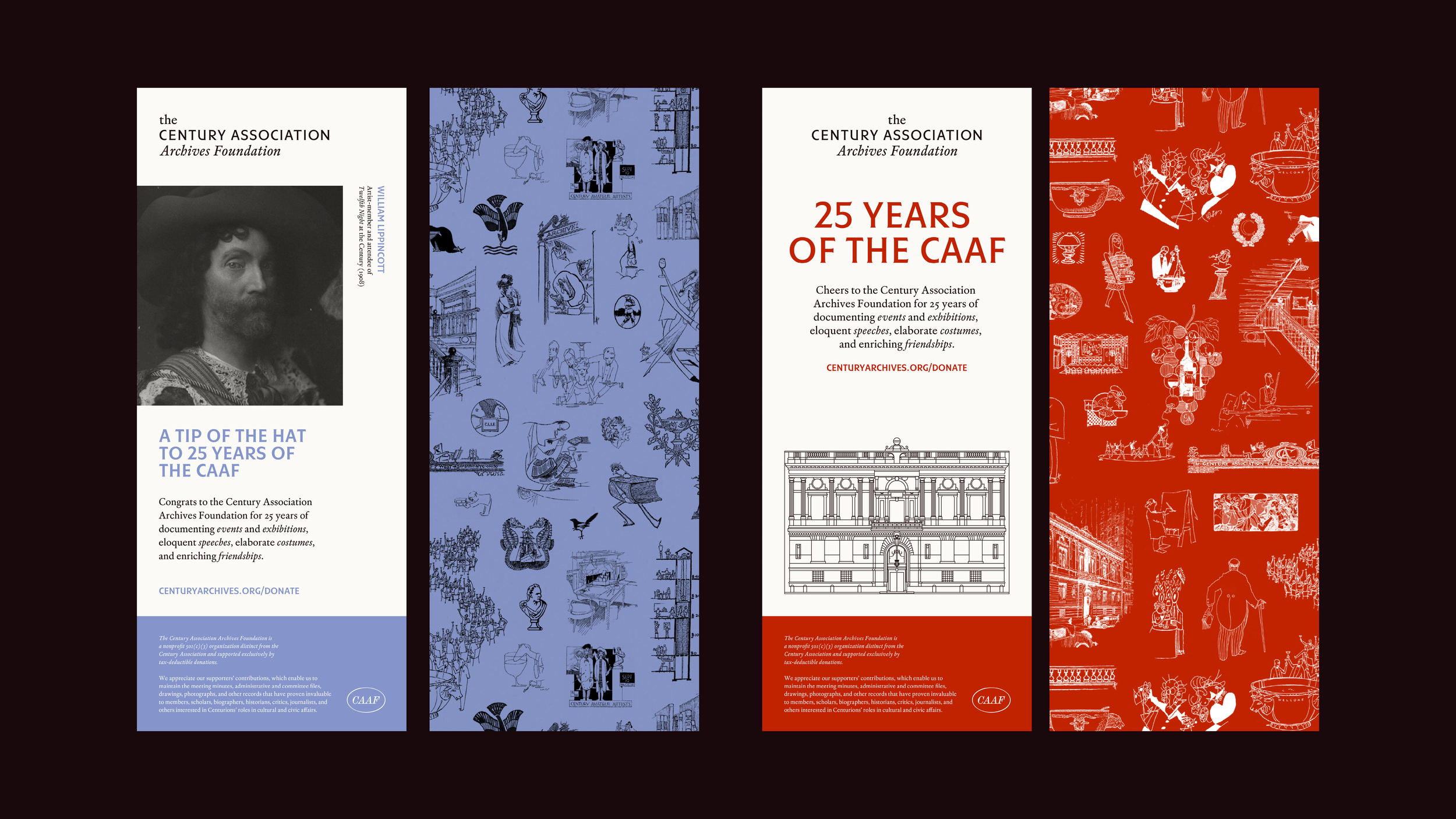
I have always felt some tension around completely public access. I love open source and I love sharing, but I don’t want, for example, Coca-Cola to use my archive to avoid paying an artist, or to use things aesthetically without thinking about context and history. So I try to keep my public sharing in spaces where they're technically open to everyone, but sort of private — Are.na is a bit of an “if you know, you know” kind of energy. Same with my newsletter. Now that feeling is even more heightened with AI.
"Sure, I could turn on public access to my four-terabyte Dropbox and Google Drive, but I don't want to just create more grist for the mill of AI training."
There's a tension where my public collecting has opened doors for me professionally — people can see my interest in trends and history, which has been beneficial for the writing jobs, speaking engagements, and design work I get. So there's a benefit to that free content. On the other hand, I laugh at how many times people at large design studios tell me, oh yeah, we use your boards for all of our mood boarding. I can't help but think: thanks, but also — don't you want to do this yourself?
Ultimately, I don't know if I care enough to police it more than I already am. But I'm not going out of my way to make every single thing open source. I sit somewhere in this uncomfortable middle. I'm thrilled when my collecting reaches people in a way I find meaningful — that brings me so much joy.
That makes a lot of sense. Walk us through your process. Is it different for a client project than it is for your newsletter?
It's super cyclical and unpredictable. I have multiple overlapping career initiatives, and they often grow out of each other.
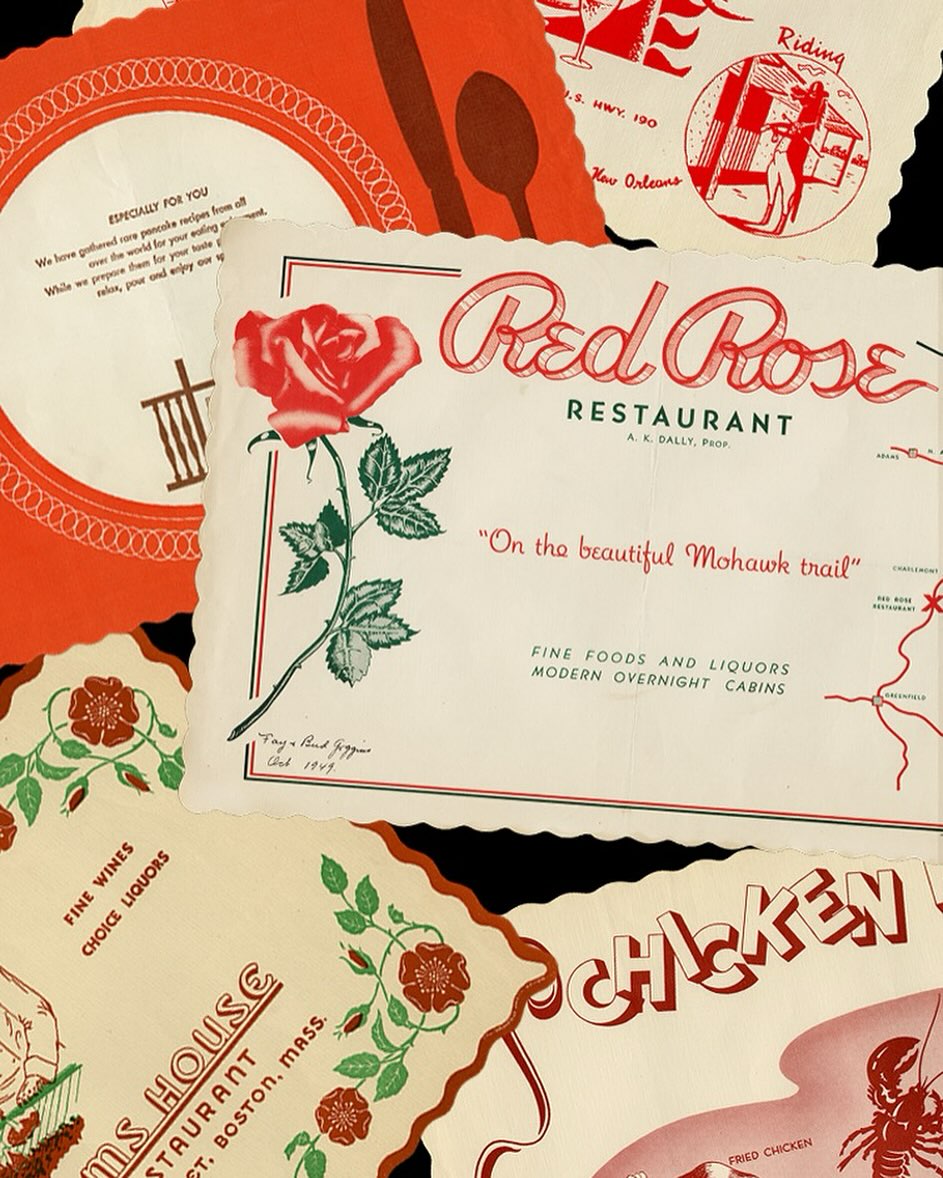
As an example: a couple months ago, I found a bunch of restaurant placemats at Brimfield, which is a flea market near my house, and a lot of them had really amazing design. That led to a project I got shortly after — a restaurant wanted something for a tuna week they were having, and I did the design inspired by those placemats. Then I thought, oh, I should do a newsletter about placemats, so I ended up with about 150 of them from eBay. I originally was going to do the zine about diner menus, but then I noticed a lot of them had cowboy imagery and thought maybe it's more interesting to just do cowboy stuff, which led to buying more Big Little Books… etc.
Or, I worked on a board game last year with illustrations inspired by the Sweet Pickles books by Richard Hefter from the '70s, which led me to get really into those books, which led me to finding some MoMA cards he illustrated, which I used in a project, and then I commissioned an article for It's Nice That about board game design.
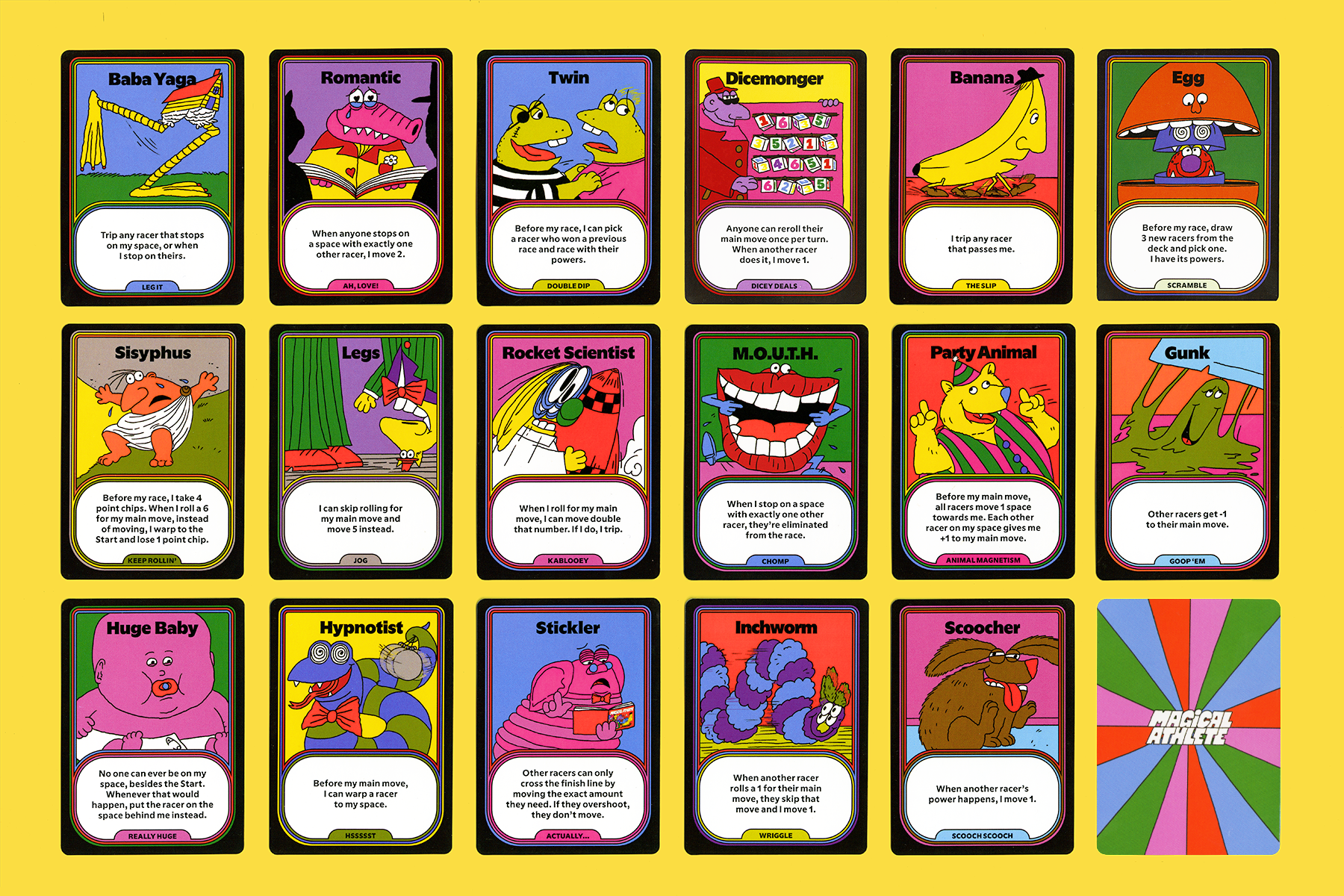
"It's always a rabbit hole that leads to a staircase that leads to another hole, to a trampoline — all related."
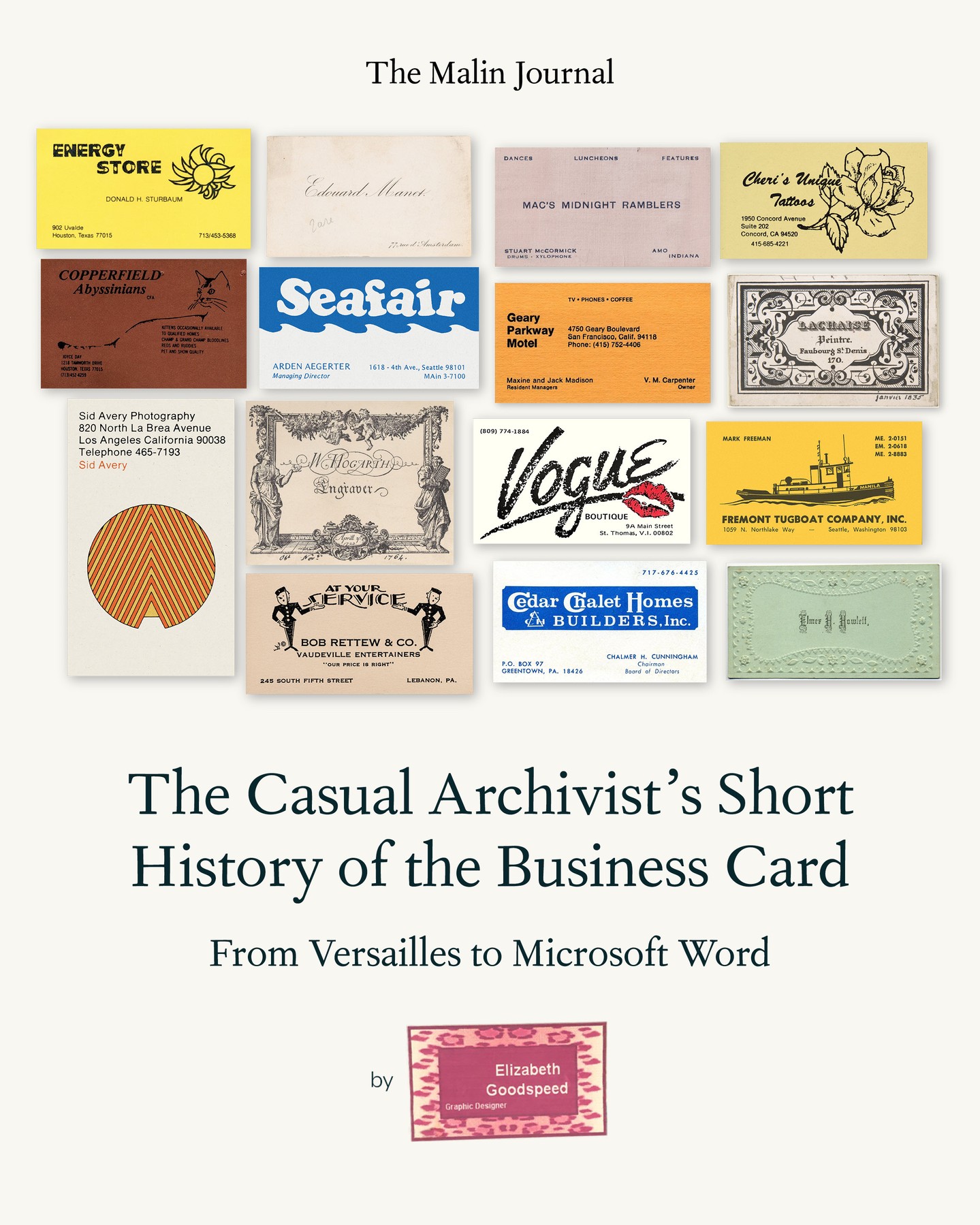
When people ask how to get into archiving, I tell them: yes, anyone can do it. On the other hand, I think it's something that finds you. If you don't like doing this, it's probably really boring. I can't help doing this — this is literally how I've engaged with the world, way before it had anything to do with my job.
I'm curious: if someone came into your space as a posthumous history buff surveying your collection — what would they find, and what do you think it would say about you?
I struggle with this a lot, because when I go to flea markets and antiquarian book fairs, a lot of people have this clear identity — there's always this guy who walks around wearing a shirt that says "I buy old golf clubs." I always wish I had something coherent enough to have a shirt that said, say, "I buy first edition architecture books."
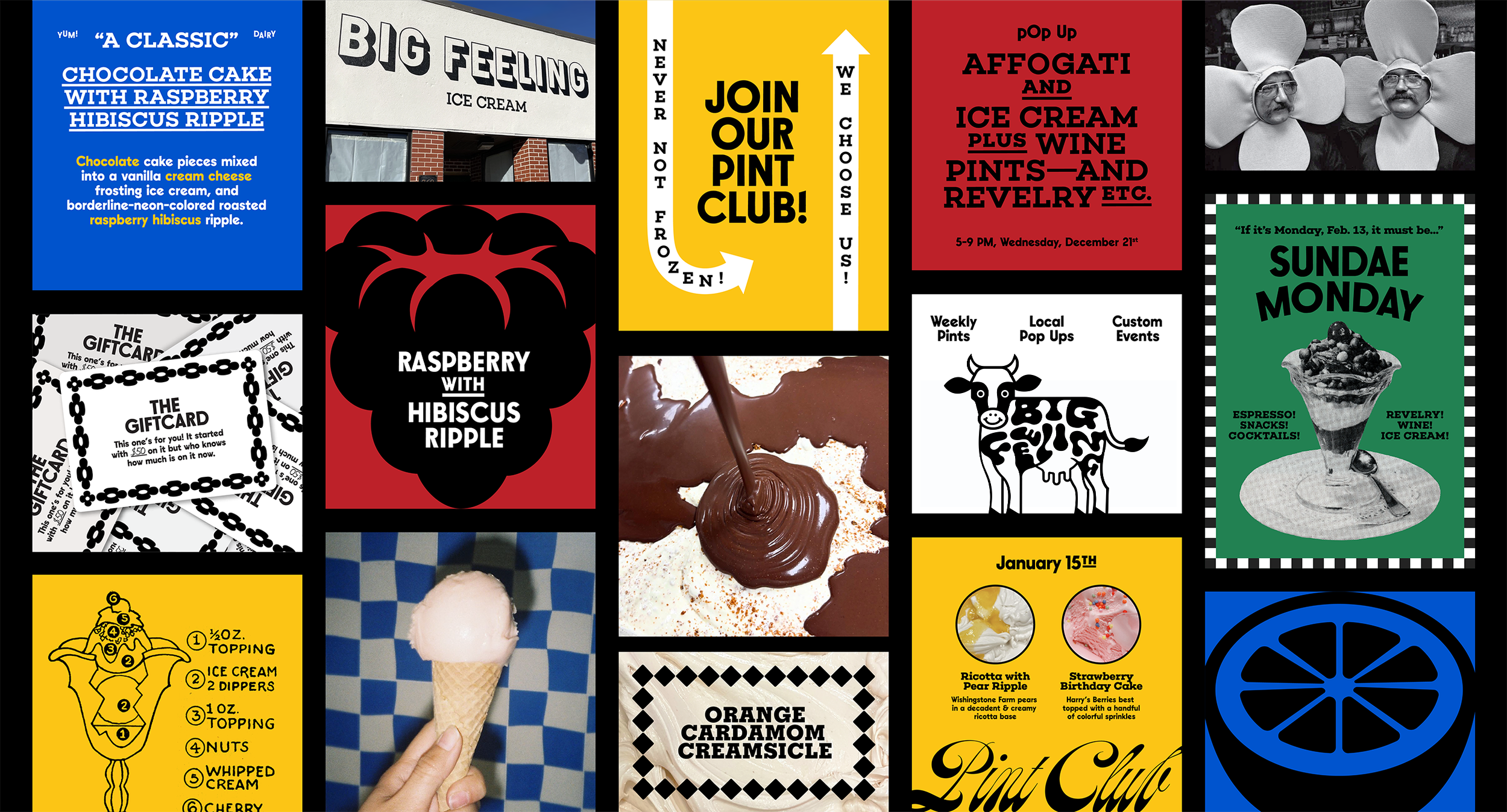
I have a really clear aesthetic I'm interested in, but that's also the limitation. The phrase I've used in the last couple of years is "culturally and visually rich," or what the industry calls "profusely illustrated."
"If it has a cultural interest or a visual interest, I'm interested."
If I like it, I like it. It's funny to me that there are these conversations now about taste and how to develop taste — because I have never once in my life thought about how to struggle with that. The collection is only coherent through the brain that is me. Anyone who knows me would walk into my room and say, it's eclectic, but it's all Elizabeth.
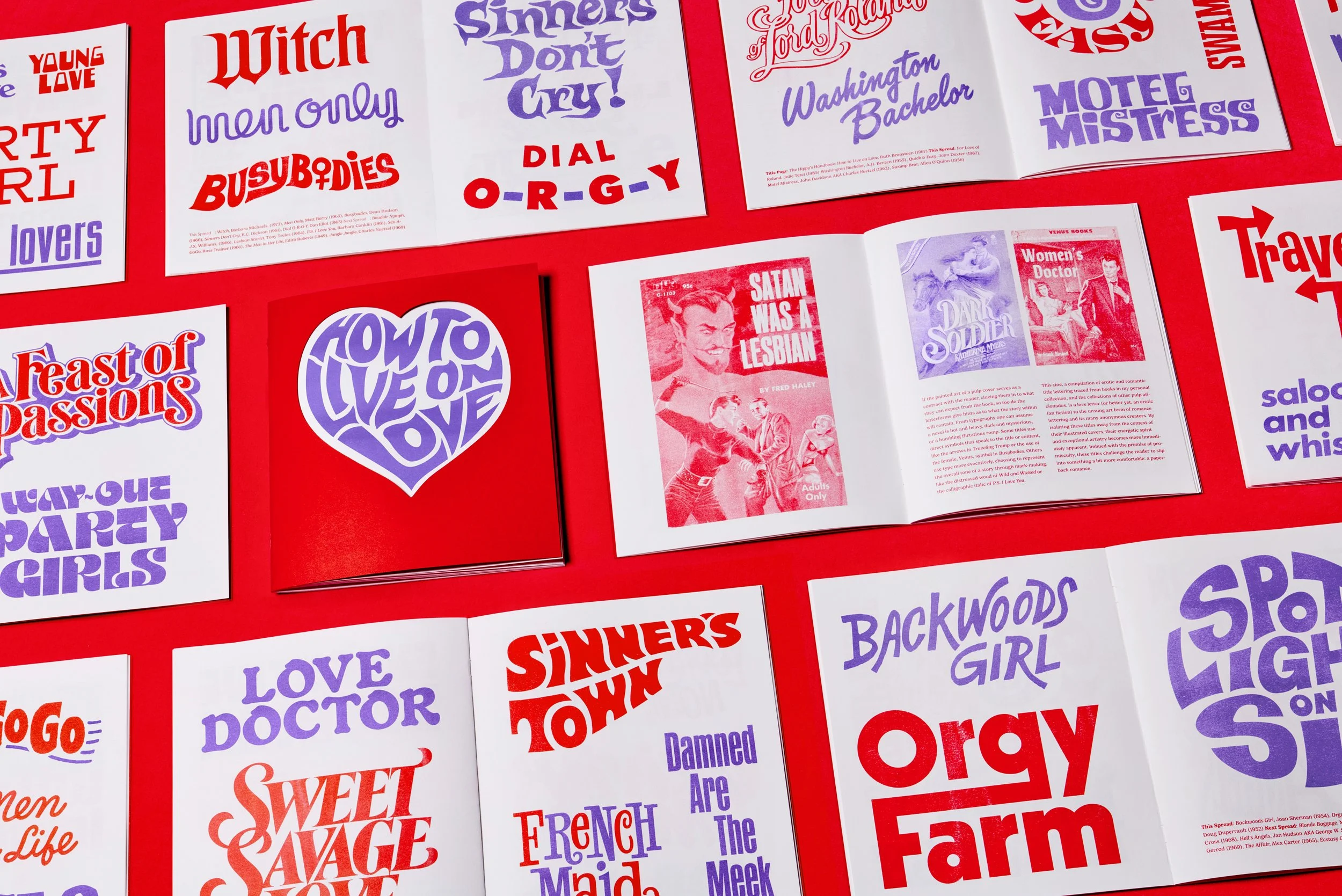
I tend to like things that are bold, that have a mix of type and image. My period is roughly 1940 to 1980, though I break that rule all the time. I like Americana, partly because I live in America and it's just been easier to find. But, for example, I studied Mandarin for four or five years and I've been wanting to expand my personal archive to include more things in that language — if I think of my archive as something that someday might be representative in some capacity, I'd like it to not only be Western. So, I've been trying to look for more East Asian or Southeast Asian work. But really it's just stuff I like. I know that's unhelpful!
No, I think that's great. The whole taste conversation is fraught. To me, people who have taste have a perspective, understand their own sense of what they're attracted to, and have a way of articulating it. To me, that's not "you have it or you don't."
Part of the problem — why taste has become such a topic — is that societally, we've become more unified because of consumer culture. If people don't know their own taste, it's because they haven't had the opportunity to flex it. People who are into collecting buy a Funko Pop. You want art on your wall, you go to Target. And yes, you can find things there that are more tasteful than other things, but there's just a narrower band of access to material culture than there used to be.
So when people talk about how to develop taste, most of the time it's really just about exposing people to more things and giving them the freedom to have a conversation about it. All it takes is showing someone a few Jackson Pollocks or a few abstract expressionists for them to have an opinion on it. I'm very sympathetic to people who haven't had the exposure or permission to have opinions visually — people are so afraid of being distasteful.
You've been writing extensively throughout your design career. Does one identity hold more weight than the other? Do you feel equal parts writer and designer?
I still feel weird calling myself a writer — I've had no writing education. It's something that found me. I've only really been writing since about 2021, so compared to design, which I've been doing since 2010, it's much newer. With design, I can really coherently tell people what makes something feel like me: the moves, the tropes, the tricks, the things I fall back on, the projects I enjoy. With writing, I just don't have quite as clear a sense of my voice yet. It's getting better every time. This year is one of the first times I've started to feel like, when a piece isn't working, I can identify what it's missing that makes it not feel like me.
I wrote something about practice — what it means to have a practice — finished it, it was a perfectly fine piece, and I decided not to publish it because it was missing a little bit of what I think makes something mine: a reference to history, an unexpected build over time, an unwillingness to settle on one answer. I think my lesser identification with writing is solely because I don't always know what kind of writing is mine the way I know what kind of design is mine.
"It doesn't feel adequate when I say I'm an op-ed writer. It doesn't feel adequate when I say I'm a design critic. Whereas with design: I'm a brand, editorial, and print designer who focuses on historically inspired work for clients and cultural institutions. I like big bold typography, multicolor systems, and eclectic hierarchies. I know what that is."
And frankly, people love multi-hyphenates, but when you're at a party and you say "I'm a writer and a designer" it gets murky to explain— I tend to default back to designer mostly because I write about design. The thing that holds it all together is an interest in history and an interest in visual culture. My graphic design work for clients is ultimately a manifestation of that — exploring through practice rather than process or examination. My real love is visual culture, trends, and history. That's what I read about. That's what I do at museums in my free time. I don't feel tension about the theme. I just feel tension about the titles.
You also write for It's Nice That. The hallmarks, from my perspective, are that you hold tension and nuance in a really interesting way — everyone's talking about a thing, and you have a way of just putting your thumb directly on it. I'm curious: writing for your newsletter versus writing for It's Nice That or another publication — does one keep you up more at night? A lot of writers feel a bit of a gut punch when something is published. Does it hit differently depending on the platform?
Even within writing, I have a really bifurcated identity. My Substack writing is usually about objects — it's me as a kind of pedestal, holding that object up and talking about it. I rarely put myself in it. Those are short — three paragraphs max. There's no real discourse I expect from those. I think people read my It's Nice That column most, so that's where I feel the most weight. Fast Company is paywalled, so there's just a smaller audience coming across it.
"It's Nice That trusts me to write what I want. So that's probably where I feel the most curious to see how something will be received — like dropping a firecracker and running a couple of blocks away to see what happens."
Writing is always surprising. Sometimes I write something I think is really great — I really unpacked this amazing idea — and then almost no one reads it. Sometimes I write something I had no idea would do well, and that's the one people latch onto. I'm always interested in what happens after I publish. That's actually why I write. I've never in my life kept a journal. I write because I like having conversations. I write for others. The more people might see it, the more I put into it — the more I bake in that multi-level, talking-to-all-audiences quality.
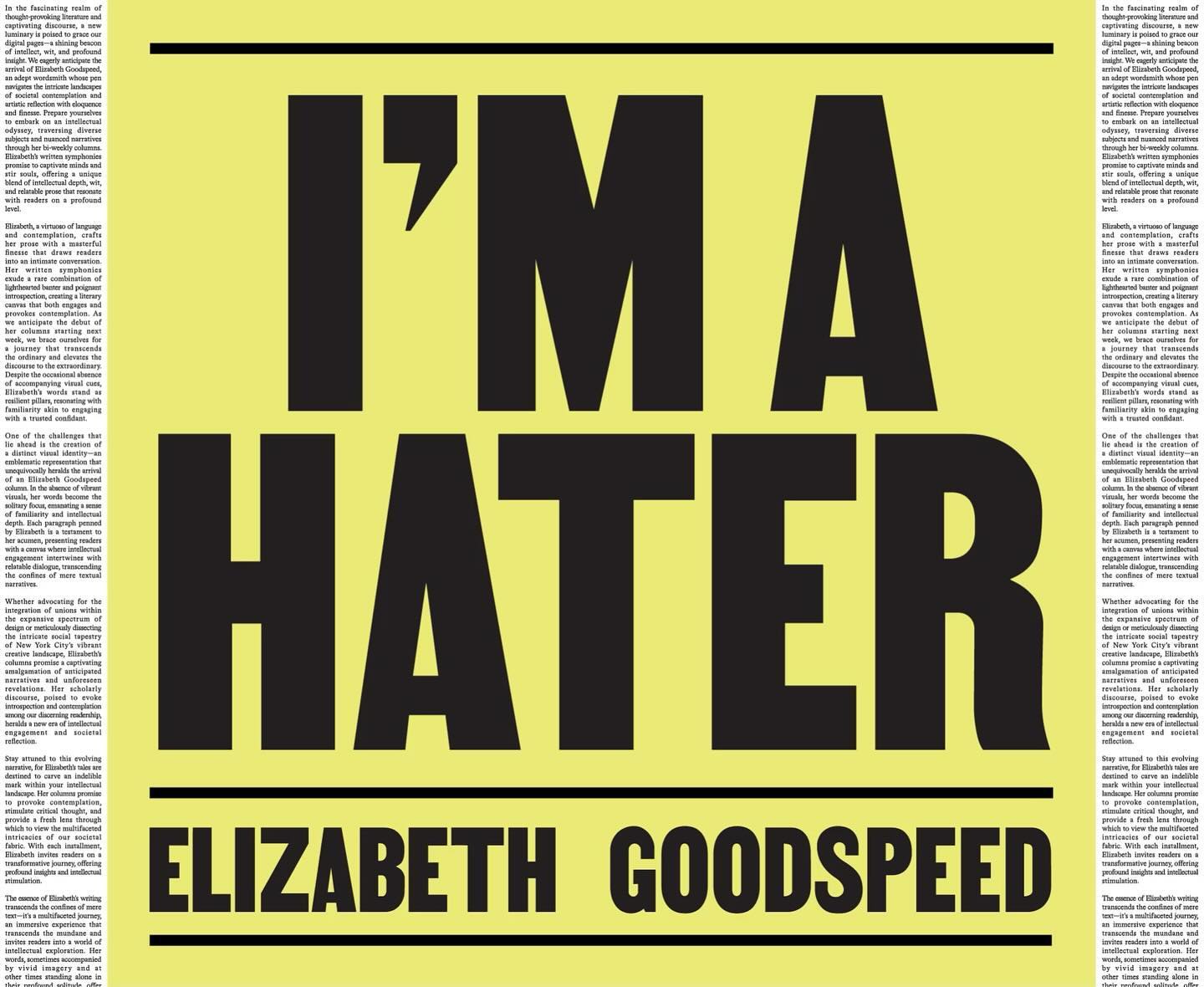
I've been on the internet long enough to know that if I don't cover something, someone's going to come for me over it. Being a practicing designer and a design writer means I also always have to write in a way that won't keep me from getting hired or make potential employers or colleagues or clients mad. So it forces me to take a very measured attitude while still being a very opinionated person. It's a crutch that became a strength.
People do accuse me of having spicy takes. I don't think of it that way. I think I'm just telling the truth about what I think. I'm not going for a hot take or rage bait. I tend to write what I think is honest and real, and often that's something that maybe wasn't being said.
Bonus Round
Is there something you're always searching for but haven't found yet?
I want a tool that allows me to Google search the books that I own. I've been thinking about building one for years, and now AI exists and I'm sure someone else is already doing it. It drives me crazy that — in the same way I can't get all my Instagram DMs, Twitter DMs, text messages, and emails in one spot — I have all these different digital archives, all these things saved on my computer, all these books. Sometimes I need a picture of a goat. I have a picture of a goat in one of these 600 books, in four terabytes of hard drive, in Are.na, in Pinterest, whatever. But I have to individually go through each of them to find it, and not all of them have tags or visual search. The amount of time I spend looking for things I already own is insane.
Is there a current reference, collection, or archive you're obsessed with right now?
As I mentioned before, I've been really into diner menus recently — they're so different from each other, and I love how they each use only one to two colors. They both use a system and are totally a-systematic at the same time.
I've also been trying to collect cassette tapes with good art on them, which is a totally lost art form. Similar to how fashion is 20 years behind the present day, I'm always trying to expand my collection into areas where I previously hadn't looked. Cassette tapes are now just becoming old enough that they're easy to find and no one's buying them, which also means they're going to be forgotten about. That said, they're difficult because most of what I collect is flat, and these take up more space.
Last question. Your dream brief, in 10 words or less.
My dream brief is my brief for myself: I just want to write a book. I feel like there could be something really interesting that was like: the history of design as told through 12 objects and 12 essays. What can this Italian cassette tape tell you about music history and Italian design? Fifty years of design history through 12 objects. Something like that.
Elizabeth Goodspeed is an independent designer, art director, and writer specializing in branding, packaging, and book and editorial design. She’s also the US editor-at-large for It’s Nice That and publishes Casual Archivist, a design history focused newsletter.
I’ve followed Elizabeth Goodspeed’s work for a few years now, so this conversation was one I was particularly excited to have. She’s a designer, writer, and teacher—but more than that, she’s someone with a point of view that feels fully formed. Talking with her, what struck me most is that her perspective on design and culture doesn’t feel like something she has to dig deep for. It’s the result of years spent collecting, observing, and paying attention to the details most people overlook. Her personal collections and design archive aren’t separate interests or practices—it’s all driven by an instinctual curiosity for visual culture and a particular way of engaging with the world.
We had a long, rich conversation, so this interview has been edited for length.
I want to start at the beginning. Where did you grow up, and where do you live now?
I grew up in Westchester, which is outside of New York. Both my parents live in New Rochelle now, but I went to Mamaroneck High School. It's a very uncool place to be from most of the time — upper middle class, everyone's a doctor or a lawyer — but it's very pretty and really nice. My parents are both lawyers, keeping in the tradition of the neighborhood. It has all the best parts of a suburb and all the best parts of a city. It's about 32 minutes, door to door to Grand Central from the train station. I got to bike around and feed ducks at the pond, but also go to Manhattan to see plays. As a teenager, I would go into the city, go to thrift stores, go to shows in Brooklyn. I feel really lucky.
I went to the Brown/RISD dual degree for college — a double bachelor's. I moved to Providence for school, was there for five years, moved back to Brooklyn for another five years, and then moved back to Providence, which has now been another five years. I'm living in Providence, Rhode Island, but I consider myself bi-city. A lot of my work is still in New York — it's about two and a half to three hours — so I can go down about once a month minimum, for social or work stuff.
I teach at RISD and there's definitely a great design community here, but what might be even more beneficial is that most of my friends here are not graphic designers. I have the curse of so many creative people whose hobby became their job, which is that all of my friends in New York are graphic designers. All I did was go to graphic design events and do graphic design all the time. I love that, but being in Providence has made me more well-rounded as a person.
Was there an early moment — in childhood or school — where you realized you were really drawn to historic ephemera, or history in terms of the artifacts of things?
I was not a history person for a long time, partly because my older sister, Lily, was a huge history buff. That was her thing. When one of your siblings is into something, you kind of don't do it — everyone gets put in their little box. I didn't dislike history — I even took AP U.S. History — but a lot of what was covered in my education was very focused on political history, not cultural history. I was uninterested in learning about wars without any context for how, say, World War II also affected art, culture, public opinion — the things you now see when you watch TV and movies about that time.
"I was actually more of a science person and thought I wanted to go to med school. I always liked art, but I didn't know anyone who was a professional artist or creator in any way, so I never really considered it as a career."
That said, looking back, the signs were all there. In high school, I started a graphic design magazine called Domestic Etch — still my Twitter handle. I originally called it Etch-A-Sketch, then got a cease and desist. I would interview designers and artists and write about their work. There were a few of these cool indie art-based publications at the time that I loved — Nobrow, High Fructose, a few others. So Domestic Etch was my take on that. But none of it crystallized into something coherent, really, until college.
The fact that you had a design zine and a blog in high school is pretty interesting. I'm curious — what do you think the difference is between collecting and archiving?
They're very similar — one is just institutionalized and societally stamped in a particular way. You could ask the same thing about why one person is a folk artist and someone else is a fine artist. It comes down to materials they use, the exhibits they've been in, the public awareness of them, and the public’s comfort in identifying them as a capital-A artist. The same is true of a collection and an archive. Many archives are in fact made up of individual people's collections donated to a public or private space. That's partly why I always use the term "casual archivist" — a little bit of an attempt to collapse the space between those two things.
"Another aspect is that collecting often feels more personal. Archiving is more public in its remit."
A lot of collectors only have things related to their own life or interests — they're reflexive to the individual. An archive is more of a resource for others; something that can tell you about larger things, which is also why there are plenty of casual archivists around the world who aren't in formal collections but have that interest and focus. But mostly I think it's the framing, not the things in it, that separates them.
You have a popular newsletter around archiving and everyone is obsessed with you on Are.na. Is there a tension between what you share publicly and what you keep private?
The collection that I use for my own work is not really digital at all — it's all paper materials that I just have. I have so much more stuff on paper than I do digitally, and that doesn't really get shared publicly simply because I don't have the time to scan it unless I'm doing a Casual Archivist issue about it. Even then, that's a drop in the ocean of things I have. I also have about three or four terabytes of scans of things I've found that I keep private — though most of the time that's less a function of gatekeeping than just, I'm not going to dump 10,000 things in a folder and make that folder public. I like providing things with context, thought, and organizational constructs around them.
I have always felt some tension around completely public access. I love open source and I love sharing, but I don’t want, for example, Coca-Cola to use my archive to avoid paying an artist, or to use things aesthetically without thinking about context and history. So I try to keep my public sharing in spaces where they're technically open to everyone, but sort of private — Are.na is a bit of an “if you know, you know” kind of energy. Same with my newsletter. Now that feeling is even more heightened with AI.
"Sure, I could turn on public access to my four-terabyte Dropbox and Google Drive, but I don't want to just create more grist for the mill of AI training."
There's a tension where my public collecting has opened doors for me professionally — people can see my interest in trends and history, which has been beneficial for the writing jobs, speaking engagements, and design work I get. So there's a benefit to that free content. On the other hand, I laugh at how many times people at large design studios tell me, oh yeah, we use your boards for all of our mood boarding. I can't help but think: thanks, but also — don't you want to do this yourself?
Ultimately, I don't know if I care enough to police it more than I already am. But I'm not going out of my way to make every single thing open source. I sit somewhere in this uncomfortable middle. I'm thrilled when my collecting reaches people in a way I find meaningful — that brings me so much joy.
That makes a lot of sense. Walk us through your process. Is it different for a client project than it is for your newsletter?
It's super cyclical and unpredictable. I have multiple overlapping career initiatives, and they often grow out of each other.
As an example: a couple months ago, I found a bunch of restaurant placemats at Brimfield, which is a flea market near my house, and a lot of them had really amazing design. That led to a project I got shortly after — a restaurant wanted something for a tuna week they were having, and I did the design inspired by those placemats. Then I thought, oh, I should do a newsletter about placemats, so I ended up with about 150 of them from eBay. I originally was going to do the zine about diner menus, but then I noticed a lot of them had cowboy imagery and thought maybe it's more interesting to just do cowboy stuff, which led to buying more Big Little Books… etc.
Or, I worked on a board game last year with illustrations inspired by the Sweet Pickles books by Richard Hefter from the '70s, which led me to get really into those books, which led me to finding some MoMA cards he illustrated, which I used in a project, and then I commissioned an article for It's Nice That about board game design.
"It's always a rabbit hole that leads to a staircase that leads to another hole, to a trampoline — all related."
When people ask how to get into archiving, I tell them: yes, anyone can do it. On the other hand, I think it's something that finds you. If you don't like doing this, it's probably really boring. I can't help doing this — this is literally how I've engaged with the world, way before it had anything to do with my job.
I'm curious: if someone came into your space as a posthumous history buff surveying your collection — what would they find, and what do you think it would say about you?
I struggle with this a lot, because when I go to flea markets and antiquarian book fairs, a lot of people have this clear identity — there's always this guy who walks around wearing a shirt that says "I buy old golf clubs." I always wish I had something coherent enough to have a shirt that said, say, "I buy first edition architecture books."
I have a really clear aesthetic I'm interested in, but that's also the limitation. The phrase I've used in the last couple of years is "culturally and visually rich," or what the industry calls "profusely illustrated."
"If it has a cultural interest or a visual interest, I'm interested."
If I like it, I like it. It's funny to me that there are these conversations now about taste and how to develop taste — because I have never once in my life thought about how to struggle with that. The collection is only coherent through the brain that is me. Anyone who knows me would walk into my room and say, it's eclectic, but it's all Elizabeth.
I tend to like things that are bold, that have a mix of type and image. My period is roughly 1940 to 1980, though I break that rule all the time. I like Americana, partly because I live in America and it's just been easier to find. But, for example, I studied Mandarin for four or five years and I've been wanting to expand my personal archive to include more things in that language — if I think of my archive as something that someday might be representative in some capacity, I'd like it to not only be Western. So, I've been trying to look for more East Asian or Southeast Asian work. But really it's just stuff I like. I know that's unhelpful!
No, I think that's great. The whole taste conversation is fraught. To me, people who have taste have a perspective, understand their own sense of what they're attracted to, and have a way of articulating it. To me, that's not "you have it or you don't."
Part of the problem — why taste has become such a topic — is that societally, we've become more unified because of consumer culture. If people don't know their own taste, it's because they haven't had the opportunity to flex it. People who are into collecting buy a Funko Pop. You want art on your wall, you go to Target. And yes, you can find things there that are more tasteful than other things, but there's just a narrower band of access to material culture than there used to be.
So when people talk about how to develop taste, most of the time it's really just about exposing people to more things and giving them the freedom to have a conversation about it. All it takes is showing someone a few Jackson Pollocks or a few abstract expressionists for them to have an opinion on it. I'm very sympathetic to people who haven't had the exposure or permission to have opinions visually — people are so afraid of being distasteful.
You've been writing extensively throughout your design career. Does one identity hold more weight than the other? Do you feel equal parts writer and designer?
I still feel weird calling myself a writer — I've had no writing education. It's something that found me. I've only really been writing since about 2021, so compared to design, which I've been doing since 2010, it's much newer. With design, I can really coherently tell people what makes something feel like me: the moves, the tropes, the tricks, the things I fall back on, the projects I enjoy. With writing, I just don't have quite as clear a sense of my voice yet. It's getting better every time. This year is one of the first times I've started to feel like, when a piece isn't working, I can identify what it's missing that makes it not feel like me.
I wrote something about practice — what it means to have a practice — finished it, it was a perfectly fine piece, and I decided not to publish it because it was missing a little bit of what I think makes something mine: a reference to history, an unexpected build over time, an unwillingness to settle on one answer. I think my lesser identification with writing is solely because I don't always know what kind of writing is mine the way I know what kind of design is mine.
"It doesn't feel adequate when I say I'm an op-ed writer. It doesn't feel adequate when I say I'm a design critic. Whereas with design: I'm a brand, editorial, and print designer who focuses on historically inspired work for clients and cultural institutions. I like big bold typography, multicolor systems, and eclectic hierarchies. I know what that is."
And frankly, people love multi-hyphenates, but when you're at a party and you say "I'm a writer and a designer" it gets murky to explain— I tend to default back to designer mostly because I write about design. The thing that holds it all together is an interest in history and an interest in visual culture. My graphic design work for clients is ultimately a manifestation of that — exploring through practice rather than process or examination. My real love is visual culture, trends, and history. That's what I read about. That's what I do at museums in my free time. I don't feel tension about the theme. I just feel tension about the titles.
You also write for It's Nice That. The hallmarks, from my perspective, are that you hold tension and nuance in a really interesting way — everyone's talking about a thing, and you have a way of just putting your thumb directly on it. I'm curious: writing for your newsletter versus writing for It's Nice That or another publication — does one keep you up more at night? A lot of writers feel a bit of a gut punch when something is published. Does it hit differently depending on the platform?
Even within writing, I have a really bifurcated identity. My Substack writing is usually about objects — it's me as a kind of pedestal, holding that object up and talking about it. I rarely put myself in it. Those are short — three paragraphs max. There's no real discourse I expect from those. I think people read my It's Nice That column most, so that's where I feel the most weight. Fast Company is paywalled, so there's just a smaller audience coming across it.
"It's Nice That trusts me to write what I want. So that's probably where I feel the most curious to see how something will be received — like dropping a firecracker and running a couple of blocks away to see what happens."
Writing is always surprising. Sometimes I write something I think is really great — I really unpacked this amazing idea — and then almost no one reads it. Sometimes I write something I had no idea would do well, and that's the one people latch onto. I'm always interested in what happens after I publish. That's actually why I write. I've never in my life kept a journal. I write because I like having conversations. I write for others. The more people might see it, the more I put into it — the more I bake in that multi-level, talking-to-all-audiences quality.
I've been on the internet long enough to know that if I don't cover something, someone's going to come for me over it. Being a practicing designer and a design writer means I also always have to write in a way that won't keep me from getting hired or make potential employers or colleagues or clients mad. So it forces me to take a very measured attitude while still being a very opinionated person. It's a crutch that became a strength.
People do accuse me of having spicy takes. I don't think of it that way. I think I'm just telling the truth about what I think. I'm not going for a hot take or rage bait. I tend to write what I think is honest and real, and often that's something that maybe wasn't being said.
Bonus Round
Is there something you're always searching for but haven't found yet?
I want a tool that allows me to Google search the books that I own. I've been thinking about building one for years, and now AI exists and I'm sure someone else is already doing it. It drives me crazy that — in the same way I can't get all my Instagram DMs, Twitter DMs, text messages, and emails in one spot — I have all these different digital archives, all these things saved on my computer, all these books. Sometimes I need a picture of a goat. I have a picture of a goat in one of these 600 books, in four terabytes of hard drive, in Are.na, in Pinterest, whatever. But I have to individually go through each of them to find it, and not all of them have tags or visual search. The amount of time I spend looking for things I already own is insane.
Is there a current reference, collection, or archive you're obsessed with right now?
As I mentioned before, I've been really into diner menus recently — they're so different from each other, and I love how they each use only one to two colors. They both use a system and are totally a-systematic at the same time.
I've also been trying to collect cassette tapes with good art on them, which is a totally lost art form. Similar to how fashion is 20 years behind the present day, I'm always trying to expand my collection into areas where I previously hadn't looked. Cassette tapes are now just becoming old enough that they're easy to find and no one's buying them, which also means they're going to be forgotten about. That said, they're difficult because most of what I collect is flat, and these take up more space.
Last question. Your dream brief, in 10 words or less.
My dream brief is my brief for myself: I just want to write a book. I feel like there could be something really interesting that was like: the history of design as told through 12 objects and 12 essays. What can this Italian cassette tape tell you about music history and Italian design? Fifty years of design history through 12 objects. Something like that.
Elizabeth Goodspeed is an independent designer, art director, and writer specializing in branding, packaging, and book and editorial design. She’s also the US editor-at-large for It’s Nice That and publishes Casual Archivist, a design history focused newsletter.
Further Reading