.jpg)
Ragged Edge Senior Writer Eloise Pates tells us how the merging of relatability and credible swagger took Free Soul’s branding to the next level.
Before we get started, tell us a little about you—where you live and what you do.
I’m Eloise Pates, a South Londoner and Senior Writer for Ragged Edge. I work with wonderfully talented people to dig out a brand’s truest point of view, then write lots of things down that help bring that to life.
For those unfamiliar, what is Free Soul and what did it need to become through this work?
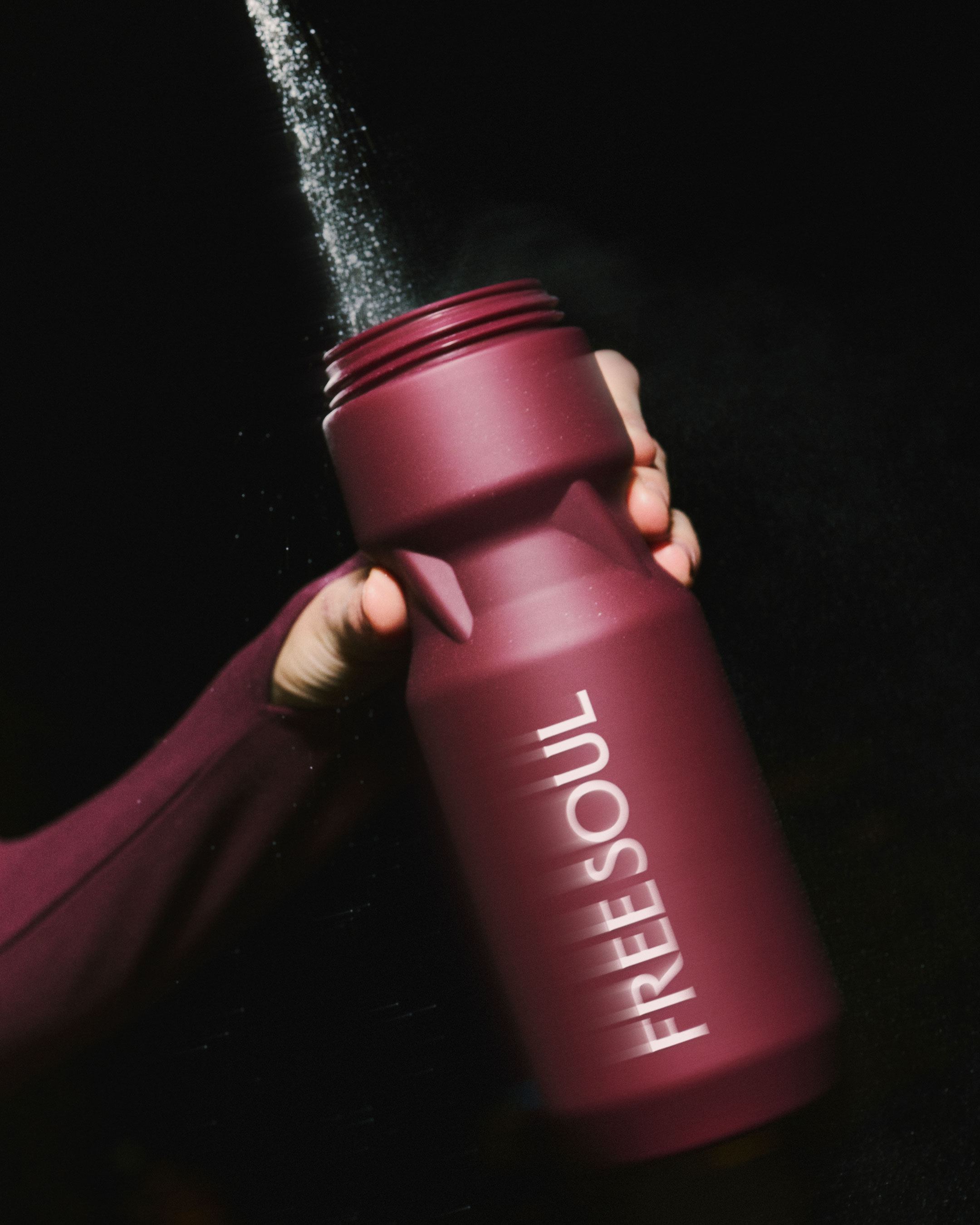
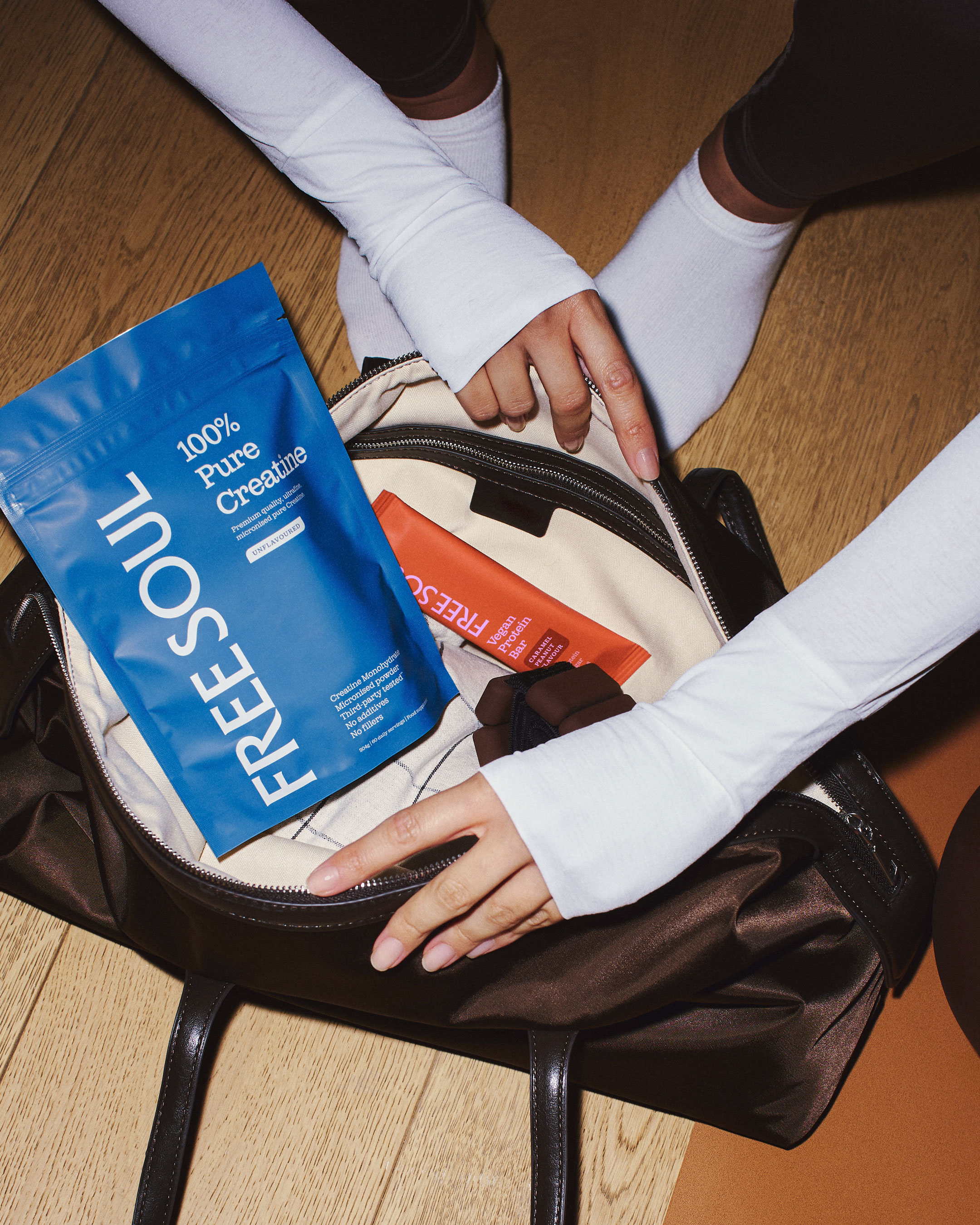
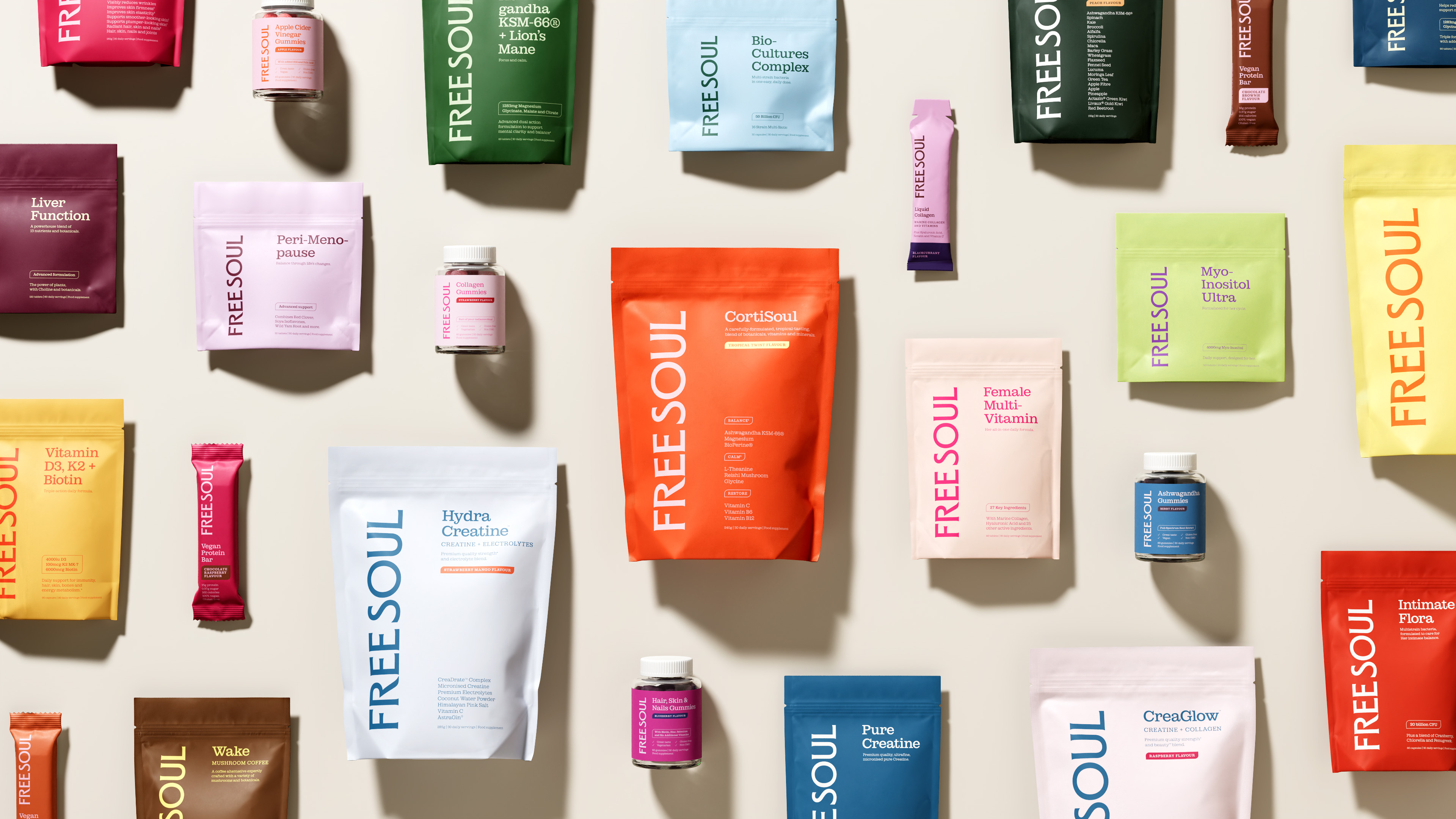
Free Soul is a women’s wellbeing brand that partners with nutritionists to formulate vital blends and supplements for women’s bodies. They approached us in need of a refresh; a more elevated identity and packaging system that better stood for who they were behind the screens of their TikTok Shop. They wanted to shed more light on their organically grown community and their eight-year-strong mission to make women’s lives easier.
What felt most at stake in getting this right?
It needed to feel like a brand that we could imagine the women in our lives using, from our mums to our best mates’ little sisters. They wanted to speak to a lot of people without feeling they were glossing over any particular group. Most importantly, they wanted to honour the brand’s founding story. Free Soul exists today because in 2017 there were no protein powders fit for women. Their co-founder, Rohini, had turned to exercise in a time of need, but the nutrition industry couldn’t meet her there. It was then that Rohini and her son, Arjun, went into business together to build something truly the first of its kind. The capitalisation of the “H” in Her, which appears throughout the brand voice, is a nod to Rohini.
Free Soul is built for women, but “women” are not a monolith. How did you think about defining (or resisting defining) the audience?
There was an element of show, don’t tell. Constantly recalling, reading and speaking about different women’s lived experiences helped me remember who I was talking to. Ultimately a lived experience became the crux of the verbal identity. Above all, Free Soul exists because a group of people didn’t feel catered for in the nutrition industry. The audience is anyone who can relate to not feeling seen in such a space.
What did you learn about this community or category that surprised you? Were there any assumptions—either from the client, the culture, or even your own team—that you had to actively unlearn?
That wellness is a bit of a loaded word. Sometimes it’s the name of a posh coffee shop, other times it’s the name of a store aisle stocked with life-changing supplements. Setting that distinction from the outset felt necessary. It was important that any category language was used with purpose and care.
Did you involve real customers in the process? If so, how did that shape the outcome?
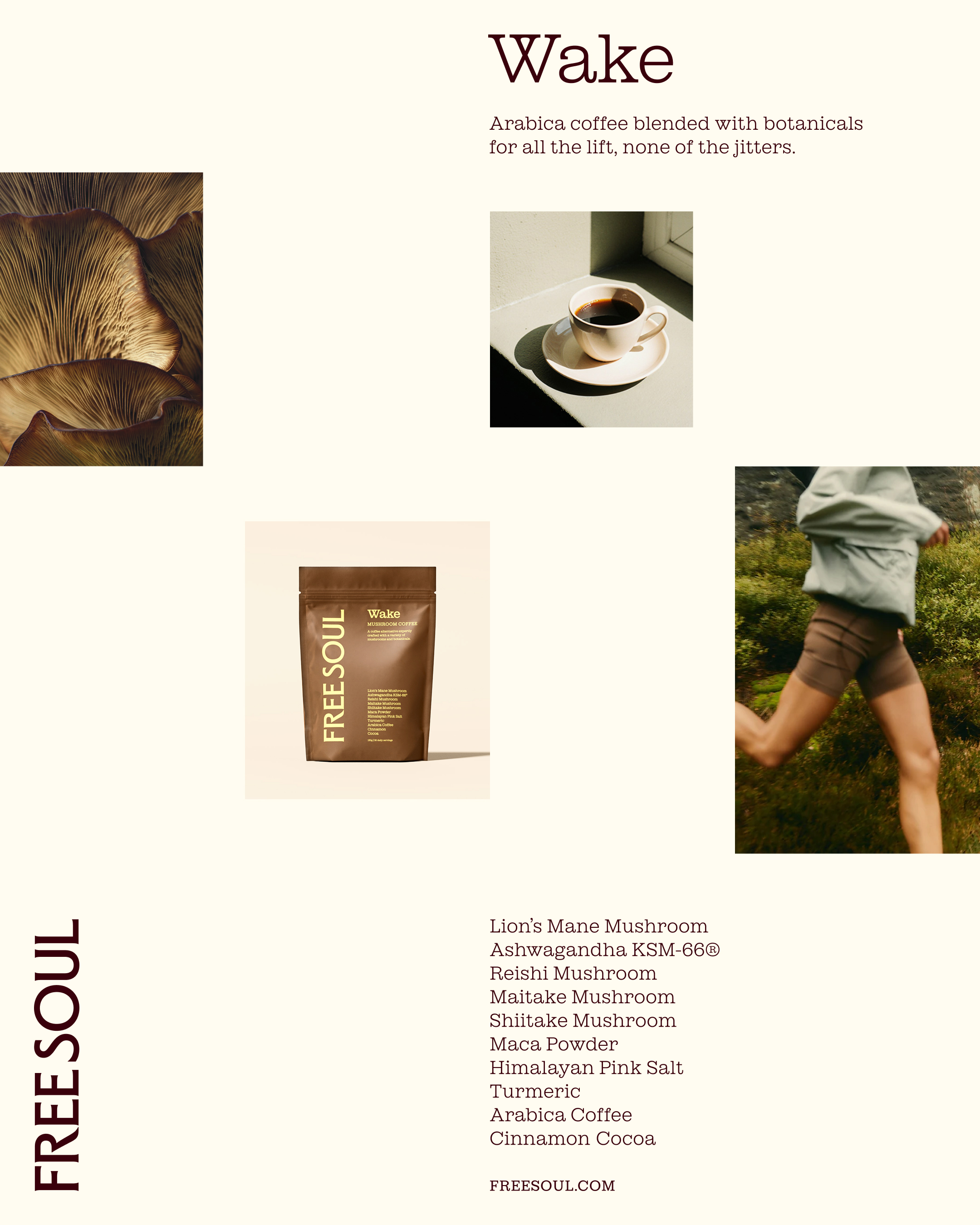
It was Free Soul’s own customer research that led them to the decision to rebrand. What we gleaned here is that the products worked well. Like, really well. So it was important that effectiveness truly showed up in the brand. It also led us to our definition of a Free Souler: a woman navigating life with Grit and Grace. In real terms, these are the women who jog in the AM, then come home from work to microwave a meal in the PM. Our lives are busy and complex, and we’re all doing our best. Free Soul is here to support the actual realities of womanhood.
The wellness space—especially supplements—is crowded. What did you see as the opportunity for Free Soul to stand apart? Was there anything you were positioning against in the category beyond obvious cliches and wellness tropes?
Social media is rife with girlies in their “wellness era.” I absolutely love that, and Free Soul’s here to support it, but this over-dramatised way of communicating felt like a discredit to the life-changing success stories we’d read about and actually pretty alienating to the people who aren’t moving at the speed of Instagram. We needed to temper this glossy, meme-speak with an untapped empathy. That meant removing this overwhelming sense of urgency. Phrases like “Run, don’t walk”, “You can’t sleep on this” and “If you’re not doing this, then what are you doing?” are all a bit pass-agg. It’s not the vibe when people just want a less painful period or a bit more energy in the afternoon.
Tell us about how you landed on the strategic idea and the fresh brand voice? Were there any phrases, words, or tonal directions that unlocked the voice early on?
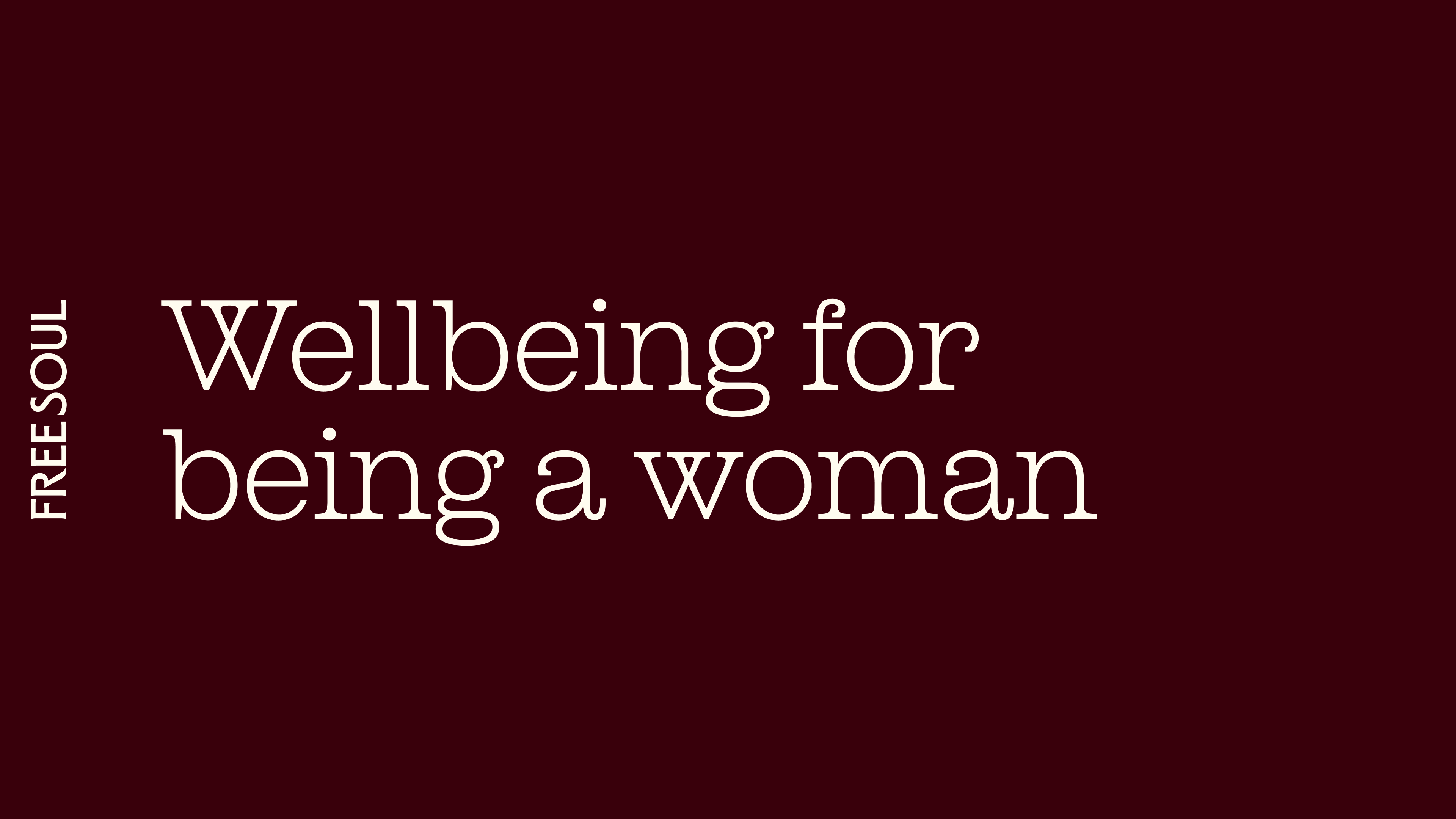
“Wellbeing for being a woman” came from the belief that Free Soul’s products should meet women where they are, not where anyone says they should be. A mission rooted firmly in the present tense, where the double meaning of “being” reinforces exactly that.
Another unlock was tapping into an IYKYK energy to show that Free Soul really gets it. We might say “8 hours on a school night” when talking about better sleep, or “a pain-free day two” when referencing periods — coded truths that communicate benefits in a way women instantly understand. Sometimes in writing it’s the things you don’t say that say it all.
Was there a reference (i.e. book, brand, person, meme, whatever) that influenced the work in a non-obvious way?
It’s not exactly non-obvious, but rifling through social media comments and product reviews online helped me unpack the realities of Free Soul’s community. The real voices that I aimed to weave into the identity. It’s why the brand writing uses actual women’s names and affectionate terms like “Mum.” It makes the language feel lived in.
What’s a detail in the work that most people might overlook but you’re particularly proud of?
In between the lines, the writing for Free Soul carries a bit of defiance. During the process, we learned that women weren’t officially included in medical studies until 1993. So lines like “For her. And now.” or “If you’ve tried everything, we’ll try harder” speak to that frustration. Small statements pushing for change.
Bonus Round
Beyond Free Soul, what do you find most rewarding and most challenging about brand work?
I love thinking about a brand starting off as someone’s pipe dream. A pie-in-the-sky idea with a hope to make a change in the world. Brand writing feels like I’m giving those light bulb sparks their time to shine. It’s like building a character’s back story then writing down all their stage directions. There’s so much storytelling! In terms of the challenge, it’s making sure I’m not prioritising ‘clever’ writing over the sharp, simple, really-really-makes-sense stuff.
What’s your go-to place or strategy for finding inspiration or when you need a reset?
Speaking my ideas out loud! I always forget this one but more often than not it reminds me that I'm more tuned into my ideas than I realise. That or running as fast as I can around a nice park.
What is your personal motto or words you live by?
Tomorrow’s a new day.
If you could get paid to do anything, what would it be?
In another world I would host a radio show and get paid to play great music and chat about it afterwards.
What’s a line of copy that you wish would die forever?
Your this, your way. Your that, your way. What if I want something that isn't my way?!
Ragged Edge Senior Writer Eloise Pates tells us how the merging of relatability and credible swagger took Free Soul’s branding to the next level.
Before we get started, tell us a little about you—where you live and what you do.
I’m Eloise Pates, a South Londoner and Senior Writer for Ragged Edge. I work with wonderfully talented people to dig out a brand’s truest point of view, then write lots of things down that help bring that to life.
For those unfamiliar, what is Free Soul and what did it need to become through this work?
Free Soul is a women’s wellbeing brand that partners with nutritionists to formulate vital blends and supplements for women’s bodies. They approached us in need of a refresh; a more elevated identity and packaging system that better stood for who they were behind the screens of their TikTok Shop. They wanted to shed more light on their organically grown community and their eight-year-strong mission to make women’s lives easier.
What felt most at stake in getting this right?
It needed to feel like a brand that we could imagine the women in our lives using, from our mums to our best mates’ little sisters. They wanted to speak to a lot of people without feeling they were glossing over any particular group. Most importantly, they wanted to honour the brand’s founding story. Free Soul exists today because in 2017 there were no protein powders fit for women. Their co-founder, Rohini, had turned to exercise in a time of need, but the nutrition industry couldn’t meet her there. It was then that Rohini and her son, Arjun, went into business together to build something truly the first of its kind. The capitalisation of the “H” in Her, which appears throughout the brand voice, is a nod to Rohini.
Free Soul is built for women, but “women” are not a monolith. How did you think about defining (or resisting defining) the audience?
There was an element of show, don’t tell. Constantly recalling, reading and speaking about different women’s lived experiences helped me remember who I was talking to. Ultimately a lived experience became the crux of the verbal identity. Above all, Free Soul exists because a group of people didn’t feel catered for in the nutrition industry. The audience is anyone who can relate to not feeling seen in such a space.
What did you learn about this community or category that surprised you? Were there any assumptions—either from the client, the culture, or even your own team—that you had to actively unlearn?
That wellness is a bit of a loaded word. Sometimes it’s the name of a posh coffee shop, other times it’s the name of a store aisle stocked with life-changing supplements. Setting that distinction from the outset felt necessary. It was important that any category language was used with purpose and care.
Did you involve real customers in the process? If so, how did that shape the outcome?
It was Free Soul’s own customer research that led them to the decision to rebrand. What we gleaned here is that the products worked well. Like, really well. So it was important that effectiveness truly showed up in the brand. It also led us to our definition of a Free Souler: a woman navigating life with Grit and Grace. In real terms, these are the women who jog in the AM, then come home from work to microwave a meal in the PM. Our lives are busy and complex, and we’re all doing our best. Free Soul is here to support the actual realities of womanhood.
The wellness space—especially supplements—is crowded. What did you see as the opportunity for Free Soul to stand apart? Was there anything you were positioning against in the category beyond obvious cliches and wellness tropes?
Social media is rife with girlies in their “wellness era.” I absolutely love that, and Free Soul’s here to support it, but this over-dramatised way of communicating felt like a discredit to the life-changing success stories we’d read about and actually pretty alienating to the people who aren’t moving at the speed of Instagram. We needed to temper this glossy, meme-speak with an untapped empathy. That meant removing this overwhelming sense of urgency. Phrases like “Run, don’t walk”, “You can’t sleep on this” and “If you’re not doing this, then what are you doing?” are all a bit pass-agg. It’s not the vibe when people just want a less painful period or a bit more energy in the afternoon.
Tell us about how you landed on the strategic idea and the fresh brand voice? Were there any phrases, words, or tonal directions that unlocked the voice early on?
“Wellbeing for being a woman” came from the belief that Free Soul’s products should meet women where they are, not where anyone says they should be. A mission rooted firmly in the present tense, where the double meaning of “being” reinforces exactly that.
Another unlock was tapping into an IYKYK energy to show that Free Soul really gets it. We might say “8 hours on a school night” when talking about better sleep, or “a pain-free day two” when referencing periods — coded truths that communicate benefits in a way women instantly understand. Sometimes in writing it’s the things you don’t say that say it all.
Was there a reference (i.e. book, brand, person, meme, whatever) that influenced the work in a non-obvious way?
It’s not exactly non-obvious, but rifling through social media comments and product reviews online helped me unpack the realities of Free Soul’s community. The real voices that I aimed to weave into the identity. It’s why the brand writing uses actual women’s names and affectionate terms like “Mum.” It makes the language feel lived in.
What’s a detail in the work that most people might overlook but you’re particularly proud of?
In between the lines, the writing for Free Soul carries a bit of defiance. During the process, we learned that women weren’t officially included in medical studies until 1993. So lines like “For her. And now.” or “If you’ve tried everything, we’ll try harder” speak to that frustration. Small statements pushing for change.
Bonus Round
Beyond Free Soul, what do you find most rewarding and most challenging about brand work?
I love thinking about a brand starting off as someone’s pipe dream. A pie-in-the-sky idea with a hope to make a change in the world. Brand writing feels like I’m giving those light bulb sparks their time to shine. It’s like building a character’s back story then writing down all their stage directions. There’s so much storytelling! In terms of the challenge, it’s making sure I’m not prioritising ‘clever’ writing over the sharp, simple, really-really-makes-sense stuff.
What’s your go-to place or strategy for finding inspiration or when you need a reset?
Speaking my ideas out loud! I always forget this one but more often than not it reminds me that I'm more tuned into my ideas than I realise. That or running as fast as I can around a nice park.
What is your personal motto or words you live by?
Tomorrow’s a new day.
If you could get paid to do anything, what would it be?
In another world I would host a radio show and get paid to play great music and chat about it afterwards.
What’s a line of copy that you wish would die forever?
Your this, your way. Your that, your way. What if I want something that isn't my way?!
Further Reading