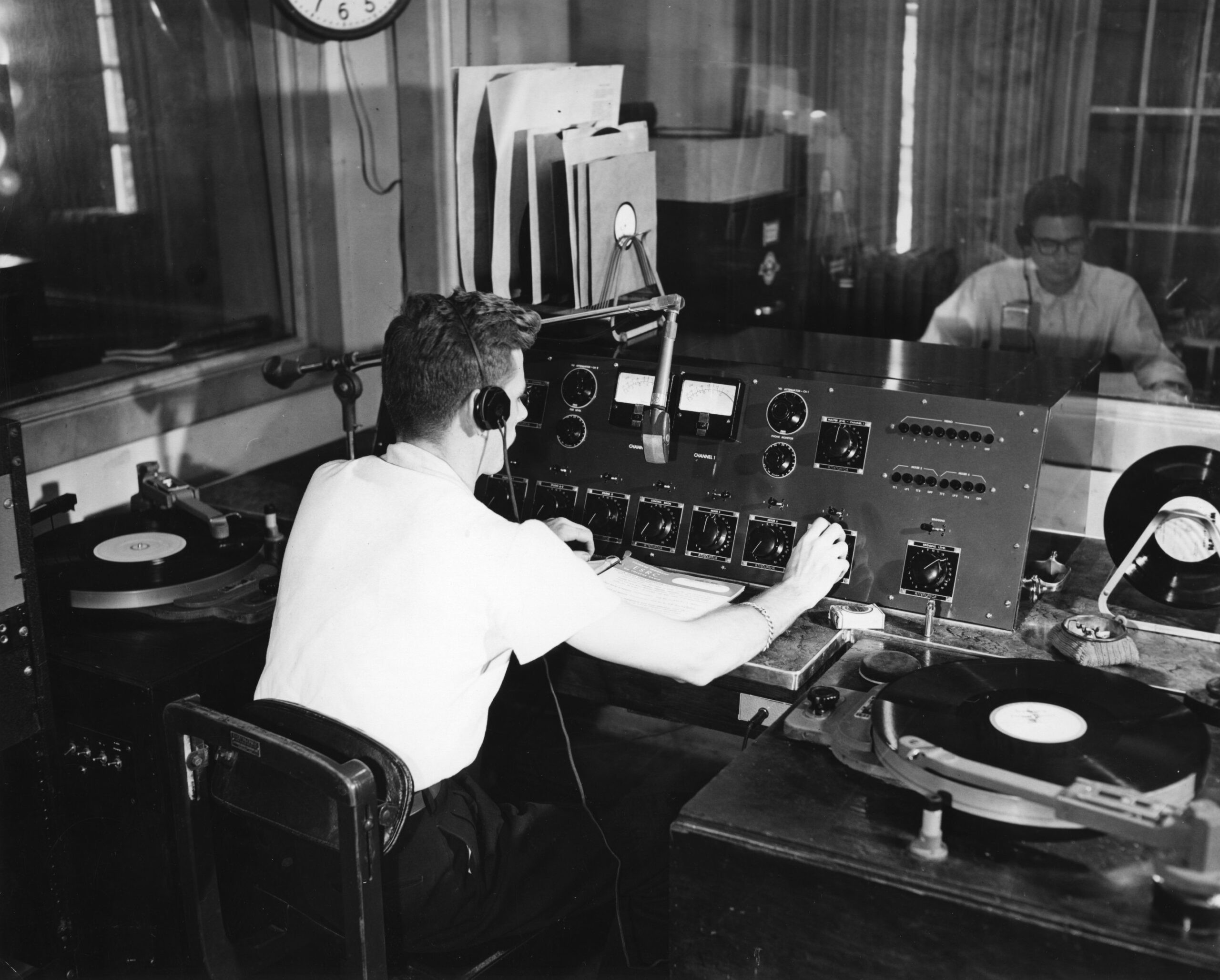
Let’s talk about soft power, baby
Here's something I've been thinking about lately: soft power yields more authority than hard power, especially in client-facing industries. Sure, hard power may get you in the room but soft power keeps you there.
Hard vs. soft power
Hard power is the stuff you can point to: credentials, titles, years of experience, the logos on your site, the frameworks you can apply. It's necessary and gives you baseline credibility, it says listen to me because of what I've done and all the things I know. But everyone has some version of it, so it's really just the cost of entry.
Soft power is different. It’s cultural fluency, taste, rapport, all the stuff that isn’t explicitly talked about or taught. It’s enchanting. People work with you because they trust you, are interested in what you bring to the table, and genuinely enjoy being around you.
And to be clear, soft power isn’t passive. It's not the consolation prize for people who couldn't hack it on hard skills alone (some people assume that which is funny because they’re the ones missing the point). Soft power is assertive, it commands attention without putting people on the defensive, which is the whole trick. It changes minds through expansion, meeting people where they are and bringing them somewhere new.
It can also inspire fresh thinking! So critical at a time where everyone is bemoaning how boring and safe ads, brands, products, etc. have become. It builds bridges between unexpected ideas, makes space to riff and collaborate, and creates conditions for something genuinely great to spark. Hard power can force this but soft power makes people want to do it (the outcome is always better).
Soft Power Lever 1: It’s What You Know
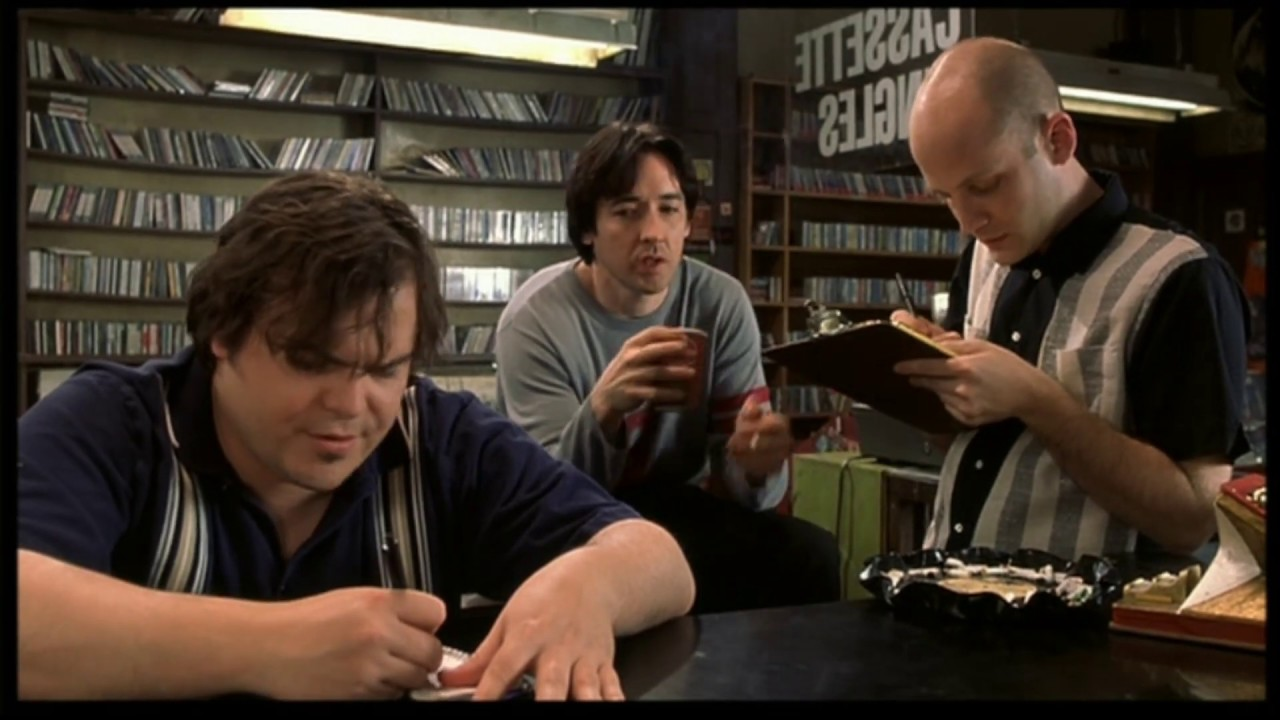
Cultural fluency is soft power’s first lever, it's knowing things that are relevant to the client's world, signaling I speak your language.
References are how we build shared understanding, they're shorthand for taste, perspective, a way of seeing. The right reference at the right moment builds trust instantly, and proves you belong in the conversation.
Source: https://i.ytimg.com/vi/czd074feqZo/maxresdefault.jpg
Fluency is also about range. You need to know the obvious things, places and brands and people having a moment, but it's your unexpected references that make people perk up and want your take on something.
This isn't about flexing (okay, maybe a little), it's about creating the conditions for ideas to land, so you can spend less time explaining (and convincing) and more time creating.
Soft Power Lever 2: It’s How You Do
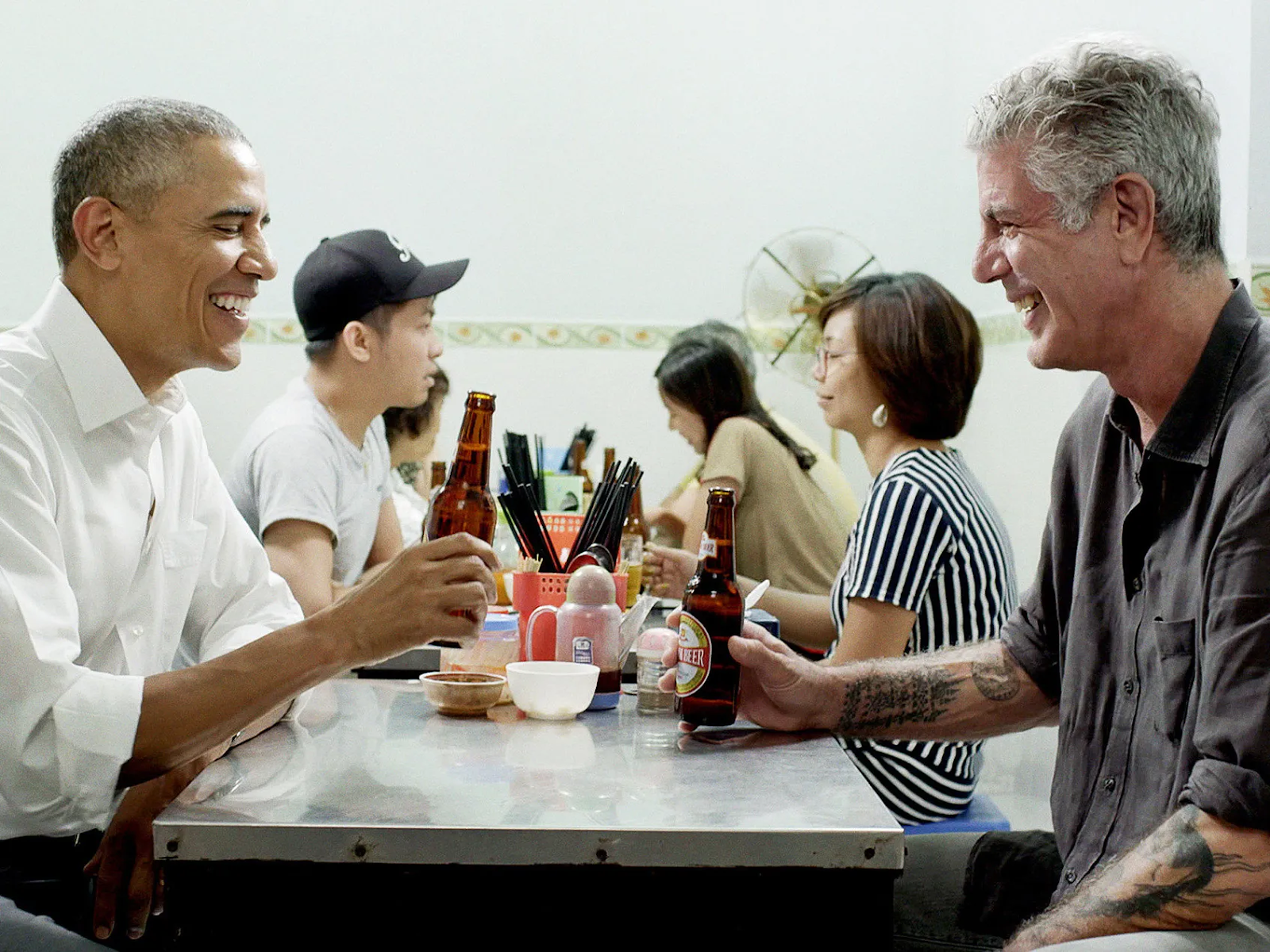
The other lever is rapport. Can you make people feel comfortable, do they want to spend time together, would they grab a drink with you?
People love to call this vibes or chemistry, dismissing the skills at play. Reading the room, adapting, inviting clients along on the journey. I think of it as hospitality as a professional posture, where you're hosting the thinking, making space for others to contribute, drawing people in.
Source:https://media.cntraveler.com/photos/57e93f3efd86274a1db91bb2/master/pass/anthony-bourdain-obama-parts-unknown-cr-cnn.jpg
Being someone people enjoy working with will always beat being someone people are intimidated by. Authority that comes from fear is brittle, but authority that comes from trust and enjoyment compounds over time.
The gatekeeping function
So…because soft power is a quiet credential, it's also a silent gatekeeper.
Some people were raised on this stuff. Having parents in creative industries, high-touch academic curriculums, access to resources (financially or geographically) that offered them a natural head start.
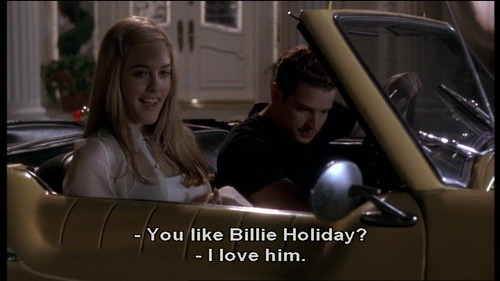
Whereas if you didn't grow up absorbing this cultural fluency by osmosis, you have to learn it on the fly. Like me: daughter of immigrants, Miami public schools, a household where good grades not gallery visits were the priority. The references that mattered later in my career simply weren’t in the water I was swimming in. Different pool.
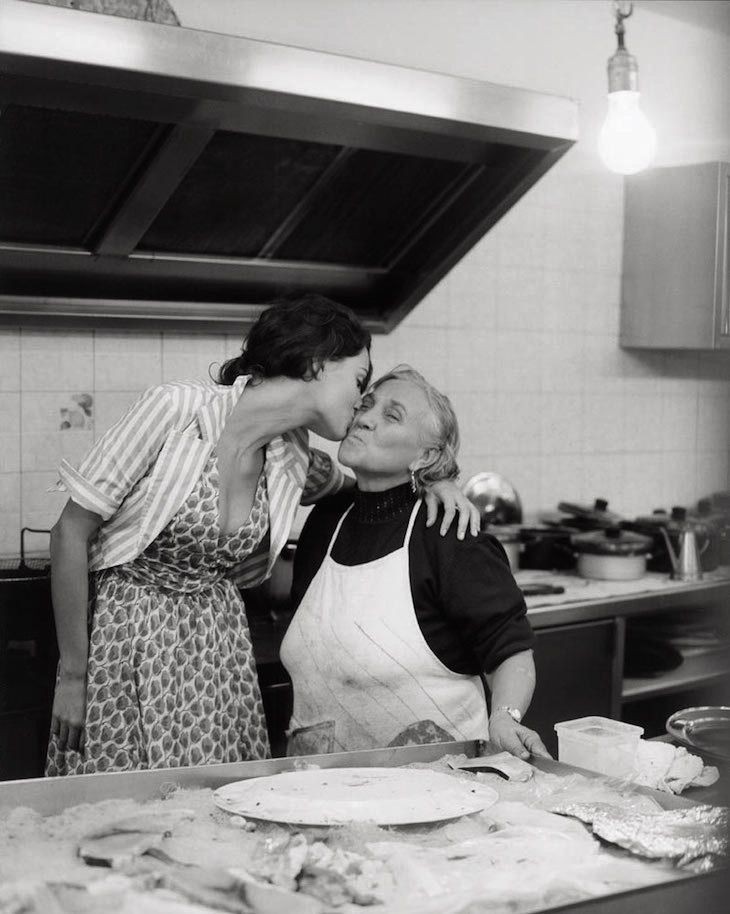
Source: https://ca.pinterest.com/pin/christian-you-like-billie-holiday-cher-i-love-him--221802350368479895/
But once you see this quiet credential for what it is, you can learn the rules…then break them. When Virgil Abloh put "SCULPTURE" in quotation marks on a leather tote or scrawled "PERSONAL BELONGINGS" across a Rimowa suitcase, he was referencing high art, Duchamp, the readymade, while making products for mass consumption. He knew the canon well enough to remix it, to weaponize it, and that's exactly why he couldn't be dismissed. He didn't alienate people, he used their language to write his own rules, and play the game. Soft power at its best.
Why this matters now
The industry is dynamic and uncertain and changing faster than anyone's frameworks can keep up with. Hard skills alone don't differentiate anymore because everyone has access to the same tools and templates (and also, AI).
What clients are really compelled by goes beyond the deliverable—it’s relationships, trust, peace of mind that you get it. They want to work with people who make the work better, and the process enjoyable.
Soft power is what builds this reputation over time. It's what makes you preferable, and most importantly, referable.
Build your soft power
Soft power can be developed. Cultural fluency can be learned (it just takes curiosity, attention, and time), rapport can be practiced, taste can be sharpened.
Take note of great service interactions, pick a movie to watch at random, go on a guided museum tour, explore different cultures (food is a great way!), pop into hobby subreddits, chat up your Uber driver, and just generally, ask people more questions than they ask you.
This should feel enriching and exciting, it's the fun part of the work! Leave the brute force credentialism behind and start building up good vibes and genuine human connection. Get out there, get in the game, and make it your own.
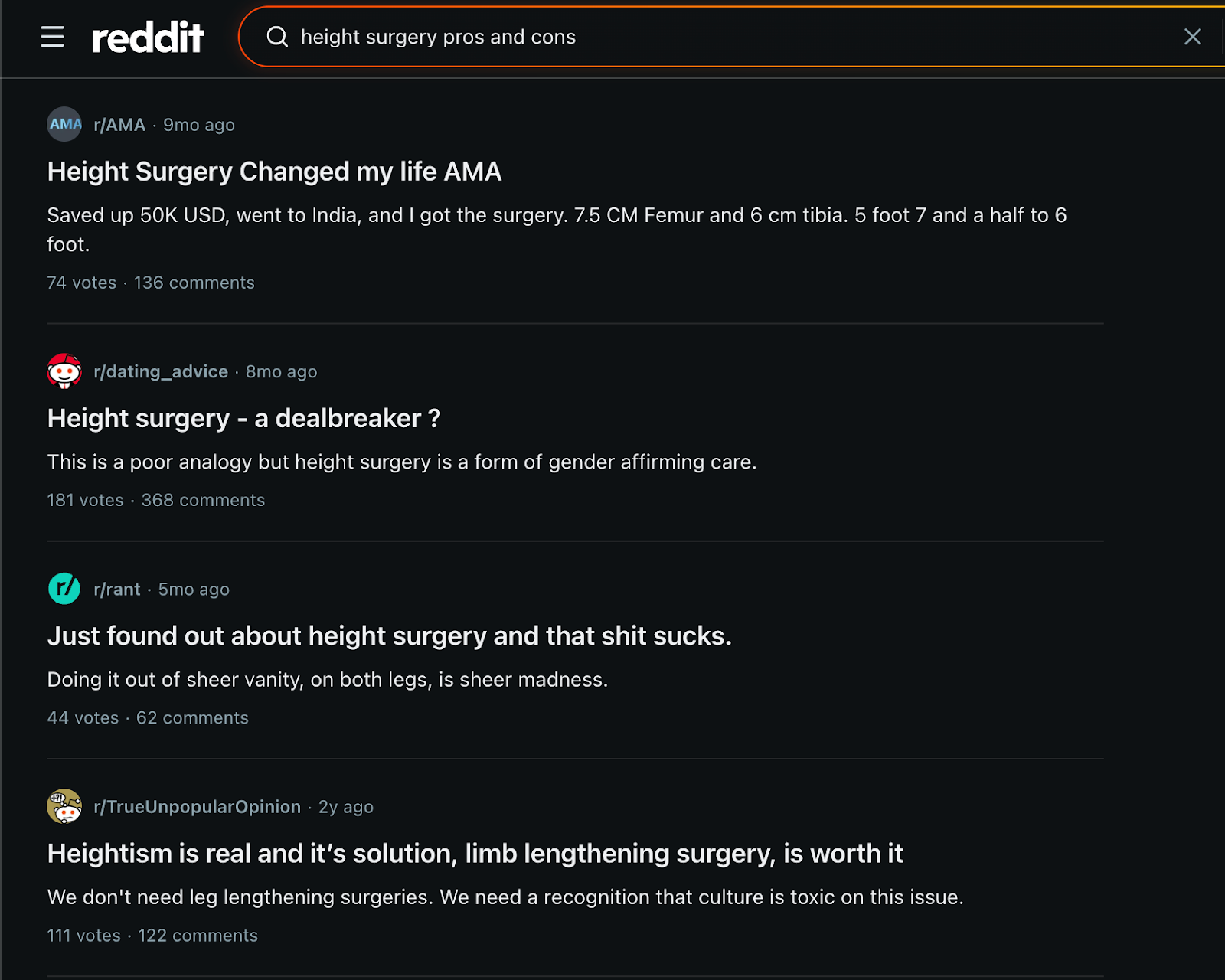
A recent random rabbit hole I went down, not exactly sure when it’ll be relevant but…the more you know.
Source:https://www.reddit.com/search/?q=height+surgery+pros+and+cons&cId=f29a39dc-1236-4ce7-b64d-97f3d0252dd5&iId=039e54cd-78a8-474a-a54b-9c77b5db717e
Bio
Zaira Vallejo is the founder of Patio Bonito, a questions & answers consultancy rooted in brand strategy and consumer research, realized across many and any medium. She lives in New York, talks to strangers for a living, and her favorite color is red.
Let’s talk about soft power, baby
Here's something I've been thinking about lately: soft power yields more authority than hard power, especially in client-facing industries. Sure, hard power may get you in the room but soft power keeps you there.
Hard vs. soft power
Hard power is the stuff you can point to: credentials, titles, years of experience, the logos on your site, the frameworks you can apply. It's necessary and gives you baseline credibility, it says listen to me because of what I've done and all the things I know. But everyone has some version of it, so it's really just the cost of entry.
Soft power is different. It’s cultural fluency, taste, rapport, all the stuff that isn’t explicitly talked about or taught. It’s enchanting. People work with you because they trust you, are interested in what you bring to the table, and genuinely enjoy being around you.
And to be clear, soft power isn’t passive. It's not the consolation prize for people who couldn't hack it on hard skills alone (some people assume that which is funny because they’re the ones missing the point). Soft power is assertive, it commands attention without putting people on the defensive, which is the whole trick. It changes minds through expansion, meeting people where they are and bringing them somewhere new.
It can also inspire fresh thinking! So critical at a time where everyone is bemoaning how boring and safe ads, brands, products, etc. have become. It builds bridges between unexpected ideas, makes space to riff and collaborate, and creates conditions for something genuinely great to spark. Hard power can force this but soft power makes people want to do it (the outcome is always better).
Soft Power Lever 1: It’s What You Know
Cultural fluency is soft power’s first lever, it's knowing things that are relevant to the client's world, signaling I speak your language.
References are how we build shared understanding, they're shorthand for taste, perspective, a way of seeing. The right reference at the right moment builds trust instantly, and proves you belong in the conversation.
Source: https://i.ytimg.com/vi/czd074feqZo/maxresdefault.jpg
Fluency is also about range. You need to know the obvious things, places and brands and people having a moment, but it's your unexpected references that make people perk up and want your take on something.
This isn't about flexing (okay, maybe a little), it's about creating the conditions for ideas to land, so you can spend less time explaining (and convincing) and more time creating.
Soft Power Lever 2: It’s How You Do
The other lever is rapport. Can you make people feel comfortable, do they want to spend time together, would they grab a drink with you?
People love to call this vibes or chemistry, dismissing the skills at play. Reading the room, adapting, inviting clients along on the journey. I think of it as hospitality as a professional posture, where you're hosting the thinking, making space for others to contribute, drawing people in.
Source:https://media.cntraveler.com/photos/57e93f3efd86274a1db91bb2/master/pass/anthony-bourdain-obama-parts-unknown-cr-cnn.jpg
Being someone people enjoy working with will always beat being someone people are intimidated by. Authority that comes from fear is brittle, but authority that comes from trust and enjoyment compounds over time.
The gatekeeping function
So…because soft power is a quiet credential, it's also a silent gatekeeper.
Some people were raised on this stuff. Having parents in creative industries, high-touch academic curriculums, access to resources (financially or geographically) that offered them a natural head start.
Whereas if you didn't grow up absorbing this cultural fluency by osmosis, you have to learn it on the fly. Like me: daughter of immigrants, Miami public schools, a household where good grades not gallery visits were the priority. The references that mattered later in my career simply weren’t in the water I was swimming in. Different pool.
Source: https://ca.pinterest.com/pin/christian-you-like-billie-holiday-cher-i-love-him--221802350368479895/
But once you see this quiet credential for what it is, you can learn the rules…then break them. When Virgil Abloh put "SCULPTURE" in quotation marks on a leather tote or scrawled "PERSONAL BELONGINGS" across a Rimowa suitcase, he was referencing high art, Duchamp, the readymade, while making products for mass consumption. He knew the canon well enough to remix it, to weaponize it, and that's exactly why he couldn't be dismissed. He didn't alienate people, he used their language to write his own rules, and play the game. Soft power at its best.
Why this matters now
The industry is dynamic and uncertain and changing faster than anyone's frameworks can keep up with. Hard skills alone don't differentiate anymore because everyone has access to the same tools and templates (and also, AI).
What clients are really compelled by goes beyond the deliverable—it’s relationships, trust, peace of mind that you get it. They want to work with people who make the work better, and the process enjoyable.
Soft power is what builds this reputation over time. It's what makes you preferable, and most importantly, referable.
Build your soft power
Soft power can be developed. Cultural fluency can be learned (it just takes curiosity, attention, and time), rapport can be practiced, taste can be sharpened.
Take note of great service interactions, pick a movie to watch at random, go on a guided museum tour, explore different cultures (food is a great way!), pop into hobby subreddits, chat up your Uber driver, and just generally, ask people more questions than they ask you.
This should feel enriching and exciting, it's the fun part of the work! Leave the brute force credentialism behind and start building up good vibes and genuine human connection. Get out there, get in the game, and make it your own.
A recent random rabbit hole I went down, not exactly sure when it’ll be relevant but…the more you know.
Source:https://www.reddit.com/search/?q=height+surgery+pros+and+cons&cId=f29a39dc-1236-4ce7-b64d-97f3d0252dd5&iId=039e54cd-78a8-474a-a54b-9c77b5db717e
Bio
Zaira Vallejo is the founder of Patio Bonito, a questions & answers consultancy rooted in brand strategy and consumer research, realized across many and any medium. She lives in New York, talks to strangers for a living, and her favorite color is red.


.jpg)


