Writing shouldn’t be the end-all, be-all for writers.
But we’re obsessive creatures, so we throw ourselves into the craft, and all the reps and reading to make us better than before. That obsession serves us when we’re just starting out. We study the great tomes and the legendary brands, while we find our style putting our storytelling skills to practice. Over time, though, we get stuck in our writerly echo chamber. We hit a wall in our ability to evolve, improving only in small increments with diminishing returns. Even worse, burnout looms large, and if we don’t spread the mindshare, writing loses its luster and the craft becomes little more than moving words around.
Luckily, I have other creative outlets to fall back on. To challenge and contort my mind in ways that push me as a writer and thinker, especially one working on brand storytelling, while keeping the spark and curiosity alive.
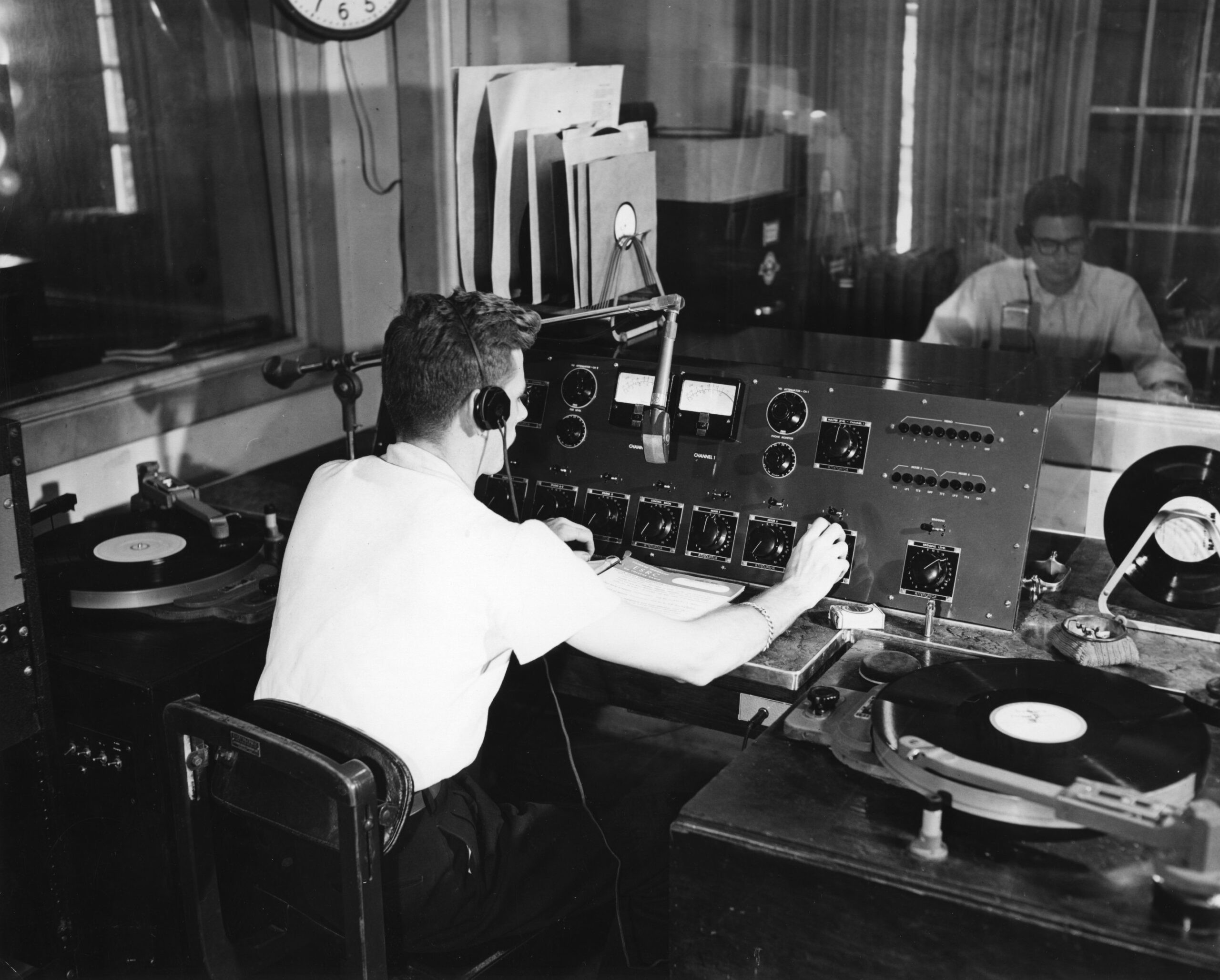
I’ve always been the biggest music nerd you haven’t met yet, which led me to picking up guitar at the ripe age of 13. Creating melodies from an awkwardly-shaped piece of wood with metal strings attached was, and still is, magic to me. It’s one of those instances where I can feel the neurons in my brain firing with intrigue and delight. I feel myself coming alive, whether I’m strumming chords or challenging myself with a mind-numbingly complex solo. Playing guitar adds rhythm into my everyday life and gets me out of my head in the process. I start to hear the world differently, paying attention to the hum of the streets and wondering how it can turn into sonic magic.
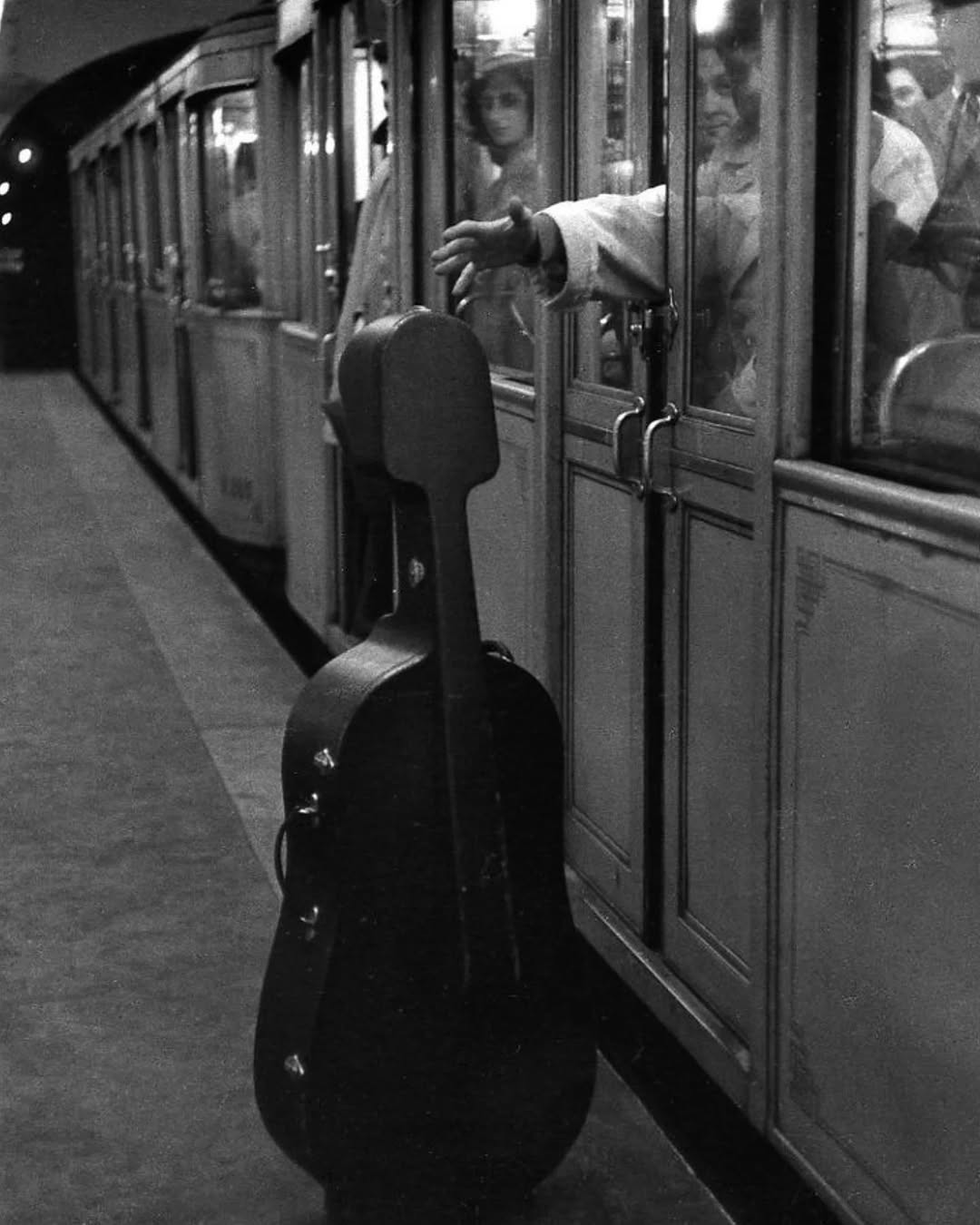
Words and sounds weren’t enough by the time I hit my mid-20s. I was itching to see the world differently, too. Visual art forms became a new fascination of mine, especially as I started working side-by-side with art directors, graphic designers, directors, environmental designers, and technical directors. Smartphones and a simpler time on Instagram were a perfect gateway into practicing photography. I started to look for sights and intimate moments that made New York City truly special. I was hooked, and eventually bought a cheap-ish DSLR and never looked back. Photography is the creative outlet I can take with me, on the go, wherever I go. I walk around my neighborhood and pick out new details I’d never seen the million times I’d pass them before. And my camera became an all-seeing portal that lit up the people, cultures, and landscapes I saw while traveling.

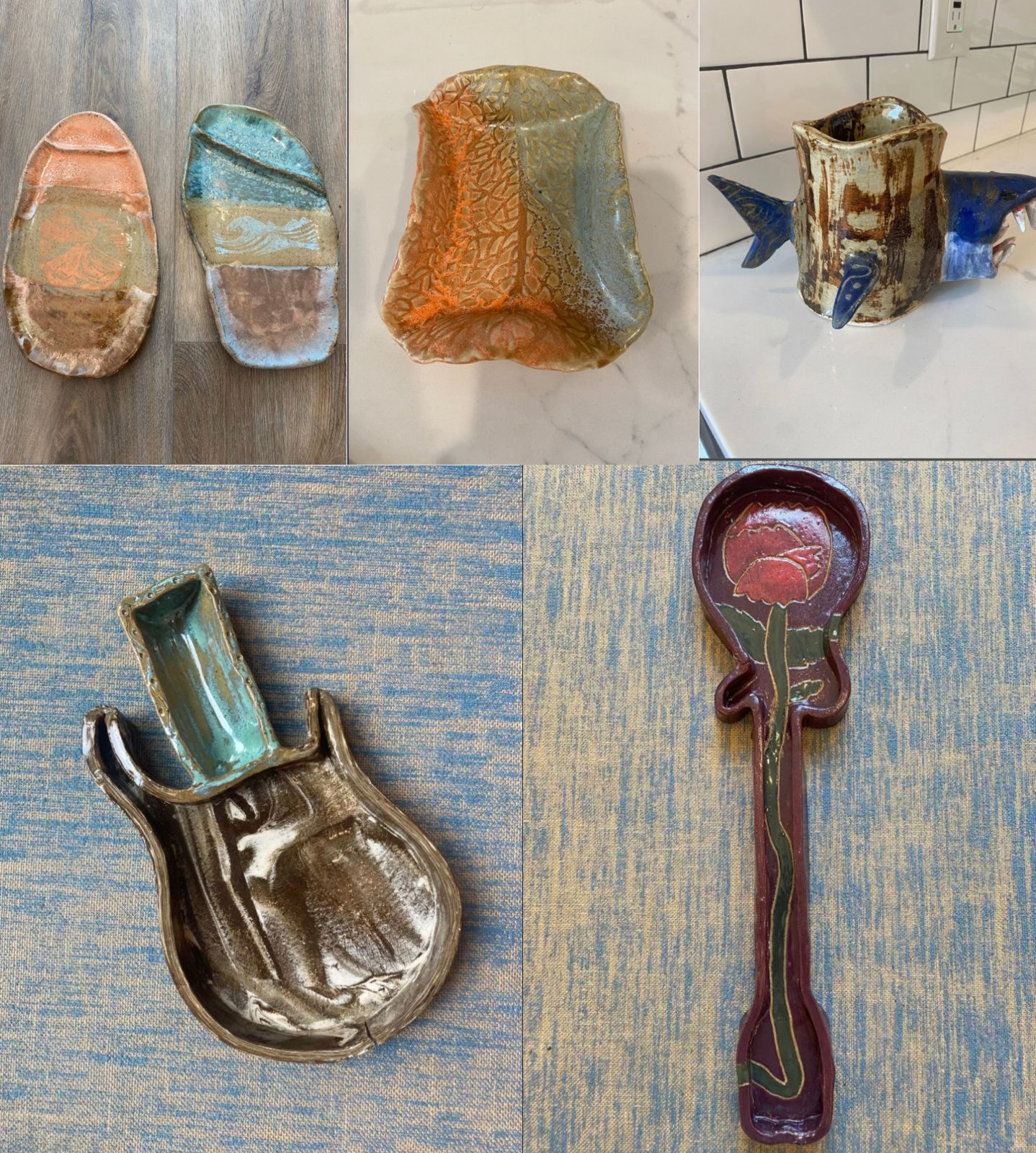
Being the ever-curious creative that I am, there was so much more to learn and experience. I began to crave making things with my hands, especially without a screen in my face. After seeing flyers in Jersey City for ceramics classes at a nearby studio, I went down the messy rabbit hole this year. Learning the basics of hand-building and wheel throwing, plus other color expressions and surface techniques, blew my mind. My brain was molding and shaping with each class and open studio session. And, most of all, I was creating pieces, side-by-side, next to kind, welcoming, and absurdly talented people, offering me a new sense of community that’s hard to find as a writer who works remotely.
All of these allow me to think about writing and storytelling in new ways, from the rhythm and sound of language to seeing the bigger picture of the final product. But, it’s about so much more than writing, too. It’s about being human, and keeping my mind engaged and challenged. These outlets or hobbies are an ongoing practice in being curious and open to the possibilities of the human condition and the world we live in.
When you explore your city or hometown with more intention and start to create a community with others, you build deeper connections and learn so much about how people are wired. Most of all, you learn more about yourself and the stories you need to tell. And isn’t that why we all become writers in the first place? To create stories that express a point of view and connect with others in thoughtful ways?
Writing is more than words telling stories. It’s fusing the world’s opportunities and our experiences to move people and make them think deeply about their perspectives. And, other creative outlets open us up to newer, and even better, ways to make those connections.
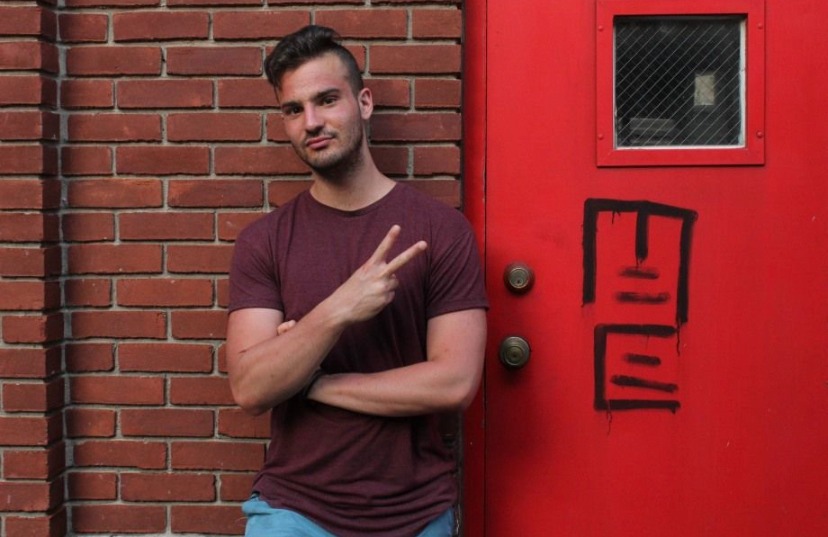
Brian Link is a Jersey City-based, freelance copywriter, creative, and verbal designer. His professional experience spans advertising, brand, and experiential for large and small companies, including Accenture, McDonald’s, Microsoft, Deloitte, Bose, Starz, Johnson & Johnson, and more. When he’s not on the clock, you can find him juggling a slew of creative hobbies, putting his AMC A-List membership to use, eating all across New York City, going to too many concerts, and convincing himself this is the Knicks’ year to win it all.
Writing shouldn’t be the end-all, be-all for writers.
But we’re obsessive creatures, so we throw ourselves into the craft, and all the reps and reading to make us better than before. That obsession serves us when we’re just starting out. We study the great tomes and the legendary brands, while we find our style putting our storytelling skills to practice. Over time, though, we get stuck in our writerly echo chamber. We hit a wall in our ability to evolve, improving only in small increments with diminishing returns. Even worse, burnout looms large, and if we don’t spread the mindshare, writing loses its luster and the craft becomes little more than moving words around.
Luckily, I have other creative outlets to fall back on. To challenge and contort my mind in ways that push me as a writer and thinker, especially one working on brand storytelling, while keeping the spark and curiosity alive.
I’ve always been the biggest music nerd you haven’t met yet, which led me to picking up guitar at the ripe age of 13. Creating melodies from an awkwardly-shaped piece of wood with metal strings attached was, and still is, magic to me. It’s one of those instances where I can feel the neurons in my brain firing with intrigue and delight. I feel myself coming alive, whether I’m strumming chords or challenging myself with a mind-numbingly complex solo. Playing guitar adds rhythm into my everyday life and gets me out of my head in the process. I start to hear the world differently, paying attention to the hum of the streets and wondering how it can turn into sonic magic.
Words and sounds weren’t enough by the time I hit my mid-20s. I was itching to see the world differently, too. Visual art forms became a new fascination of mine, especially as I started working side-by-side with art directors, graphic designers, directors, environmental designers, and technical directors. Smartphones and a simpler time on Instagram were a perfect gateway into practicing photography. I started to look for sights and intimate moments that made New York City truly special. I was hooked, and eventually bought a cheap-ish DSLR and never looked back. Photography is the creative outlet I can take with me, on the go, wherever I go. I walk around my neighborhood and pick out new details I’d never seen the million times I’d pass them before. And my camera became an all-seeing portal that lit up the people, cultures, and landscapes I saw while traveling.
Being the ever-curious creative that I am, there was so much more to learn and experience. I began to crave making things with my hands, especially without a screen in my face. After seeing flyers in Jersey City for ceramics classes at a nearby studio, I went down the messy rabbit hole this year. Learning the basics of hand-building and wheel throwing, plus other color expressions and surface techniques, blew my mind. My brain was molding and shaping with each class and open studio session. And, most of all, I was creating pieces, side-by-side, next to kind, welcoming, and absurdly talented people, offering me a new sense of community that’s hard to find as a writer who works remotely.
All of these allow me to think about writing and storytelling in new ways, from the rhythm and sound of language to seeing the bigger picture of the final product. But, it’s about so much more than writing, too. It’s about being human, and keeping my mind engaged and challenged. These outlets or hobbies are an ongoing practice in being curious and open to the possibilities of the human condition and the world we live in.
When you explore your city or hometown with more intention and start to create a community with others, you build deeper connections and learn so much about how people are wired. Most of all, you learn more about yourself and the stories you need to tell. And isn’t that why we all become writers in the first place? To create stories that express a point of view and connect with others in thoughtful ways?
Writing is more than words telling stories. It’s fusing the world’s opportunities and our experiences to move people and make them think deeply about their perspectives. And, other creative outlets open us up to newer, and even better, ways to make those connections.
Brian Link is a Jersey City-based, freelance copywriter, creative, and verbal designer. His professional experience spans advertising, brand, and experiential for large and small companies, including Accenture, McDonald’s, Microsoft, Deloitte, Bose, Starz, Johnson & Johnson, and more. When he’s not on the clock, you can find him juggling a slew of creative hobbies, putting his AMC A-List membership to use, eating all across New York City, going to too many concerts, and convincing himself this is the Knicks’ year to win it all.