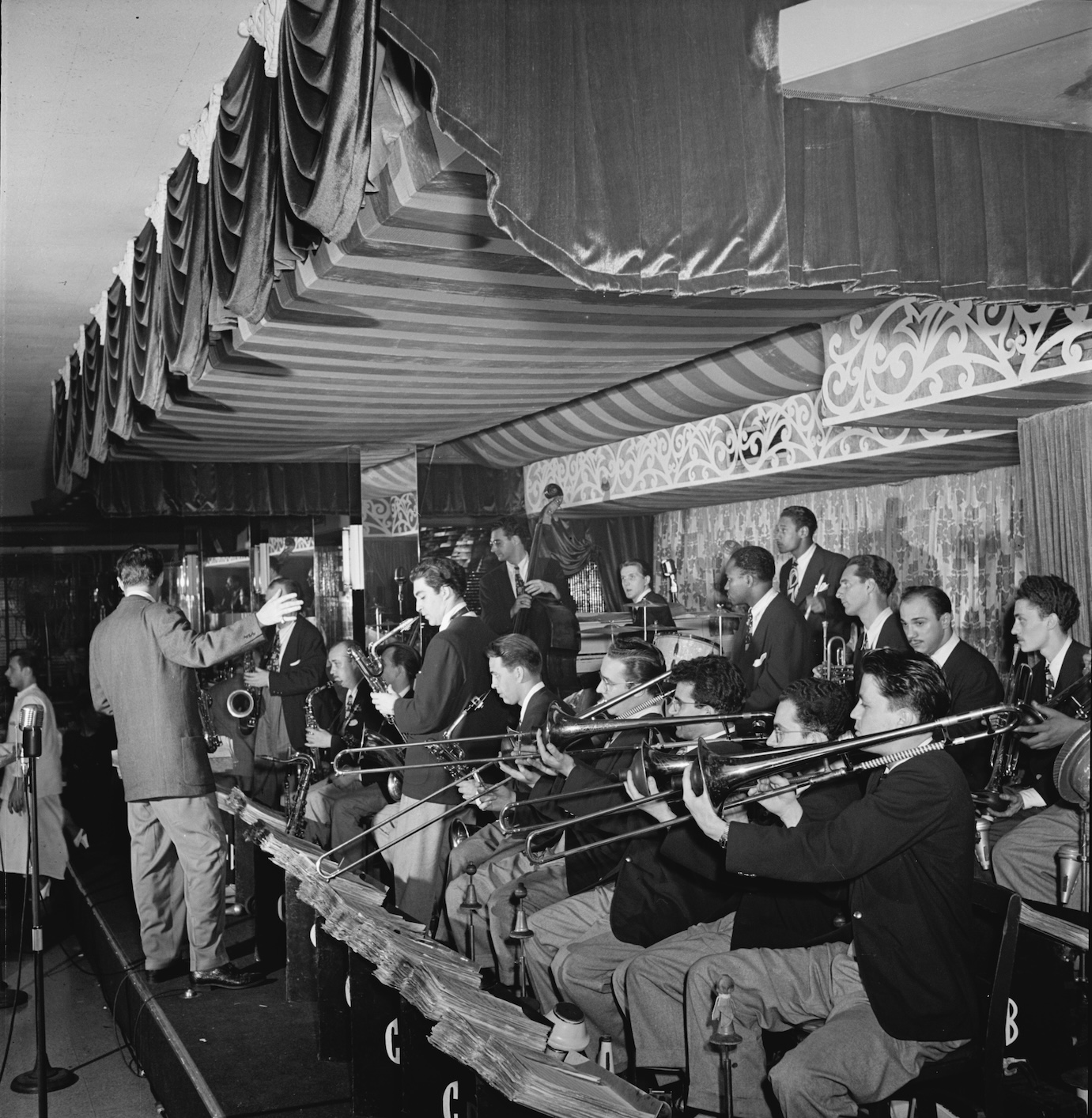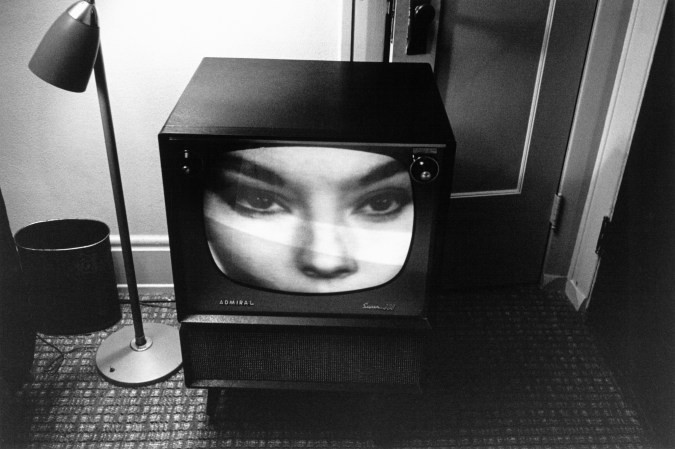
Every great brand you admire was built by someone who studied the brands that came before it.
That sounds obvious, but most of the tech world operates like it isn't true. I work with tech companies for a living, and the instinct in this industry is always to look forward. Being innovative is important, I get it. But someone already figured out how to use scarcity to create desire in the 1960s, and that same lever still works for a DTC brand launching today. The whole playbook already exists. You just have to know it well enough to pick the right play for the moment.
I studied advertising and anthropology in college and never recovered. Great advertising lives at the intersection of business and human behavior, an excuse to pay attention to consumers, companies, and popular culture all at once. I take pictures of billboards on my morning runs. I pause commercials to take notes on my phone. I spend more time screenshotting good ads on Instagram than looking at my friends' feeds. Once you start seeing advertising as a window into how people think and what they want, you can't turn it off.

That obsession pays off in my day job. As a brand strategist running Off-Menu, I'm constantly narrowing positioning territories with clients, trying to land on the story that will define how a company shows up in the world. Each territory has a tone, a personality, an overall feeling. And the fastest way to make that tangible is to pull up real ads that already nailed it.
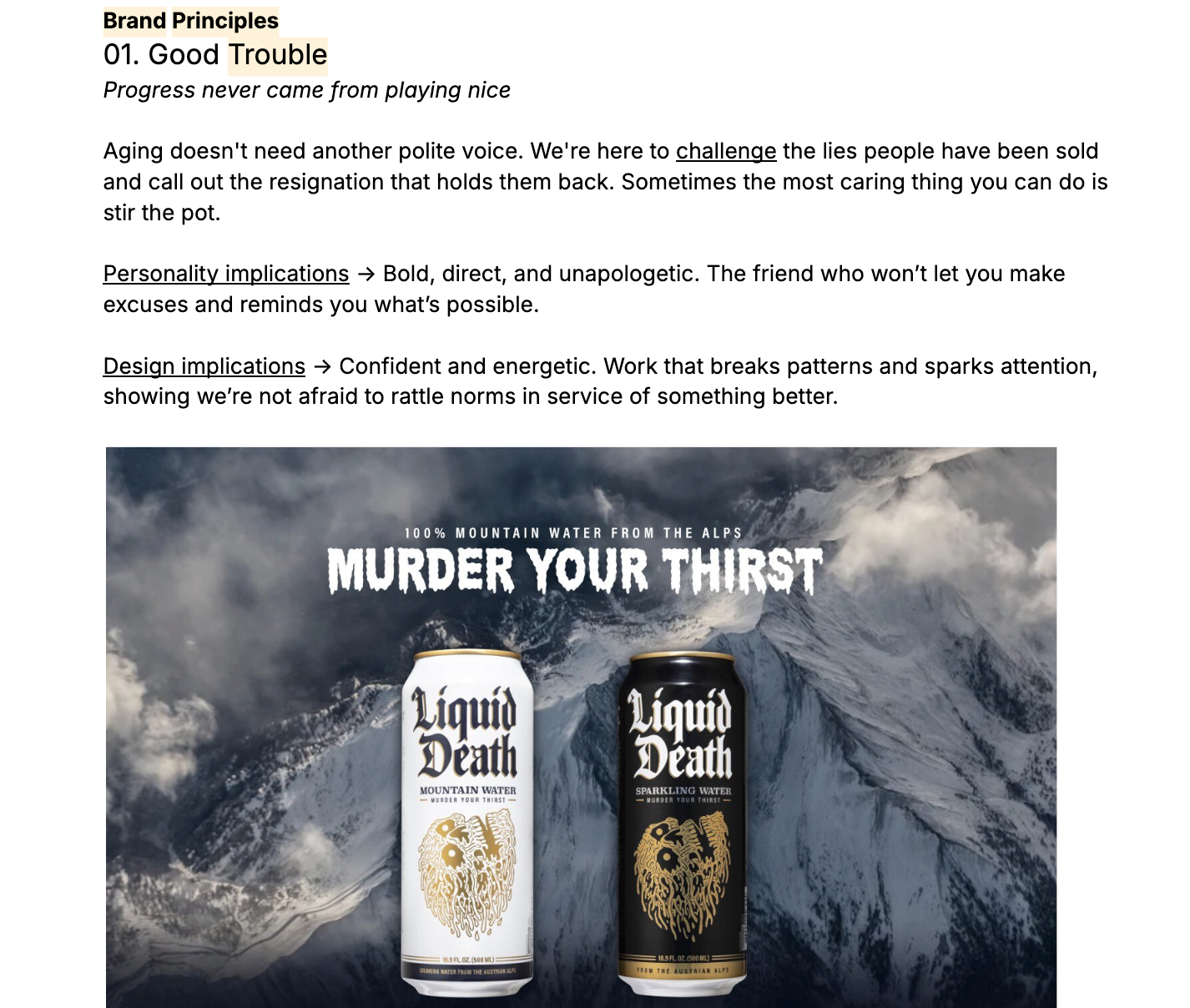
One territory might feel rebellious, so I bring in Liquid Death and old Benetton work. Another might be quietly confident, so I pull up Aesop and a vintage Saab ad. The ads become shorthand for an entire creative direction. They help people feel their way into a decision, which matters because the best brand choices are almost always gut calls dressed up in strategy decks.
Old ads are especially useful for shaping creative direction. When I show a tech founder their competitor's recent campaign, they can sometimes get defensive. They start picking apart the execution or worrying about looking derivative. But when I show them a Patagonia ad from 1991 or a Volkswagen print ad from 1962, they relax. They can appreciate the craft, the tone, and the strategy behind it without feeling threatened by it. I had a client recently who couldn't commit to a bold direction until I showed them a campaign from the '70s that took the same kind of swing. Seeing that it worked, for a real brand with real stakes, was what got them over the line. The past is the best mood board there is because nobody feels competitive with it.
For years, all of these references lived in my head, scattered across bookmarks and screenshots and random Google Docs. I'd be on a client call trying to remember that one VW ad or where I saved a Street Easy billboard I photographed on a run, scrolling through folders like a digital archaeologist. I always wanted to build a searchable database for it all, something like Mobbin but for ads, but the cost of building something like that from scratch kept it in the someday pile. Then I found Claude Code and built the whole thing in a weekend.
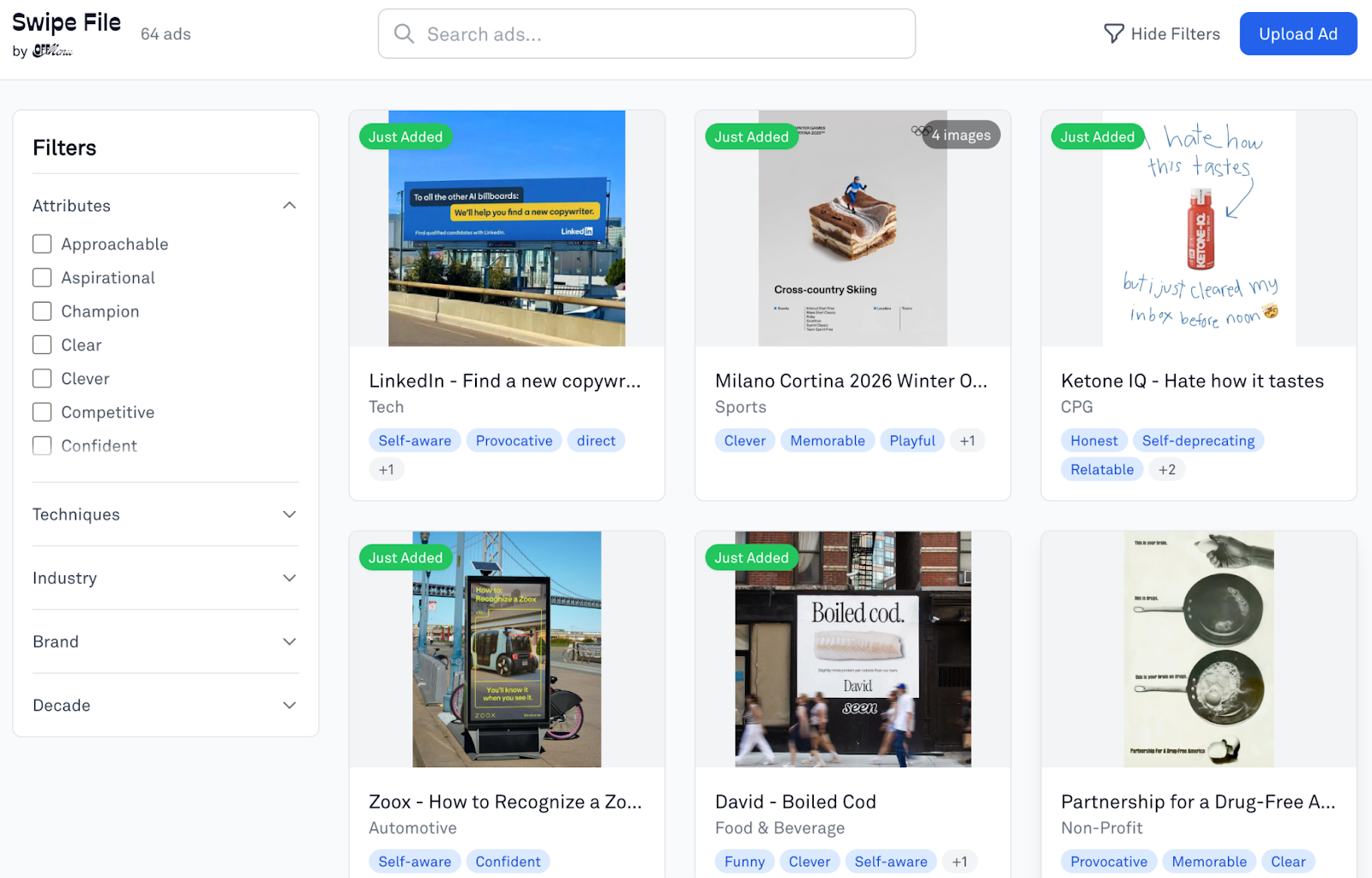
It's called Swipe File. You can filter by attribute (rebellious, self-aware, provocative), by technique (ads that admit the obvious, use reverse psychology, say what everyone's thinking), by industry, brand, and decade. I'm adding new ads every week with notes on why they work, and I'm launching a monthly newsletter featuring 3 ads per month: all-timers that should be on your radar, new work I'm inspired by, and hidden gems that don't get enough credit. The kind of thing you can glance at for inspiration while you're in line at Trader Joe's.
If you've got a favorite ad you think belongs in here, shoot me a note and I'll add it. And if you know someone who cares about the craft of marketing and wants their work to resonate, maybe send this their way.
The next great campaign for your company is probably sitting in an ad from 1974, or a totally different industry, waiting for someone to recognize what made it work and apply it to something new.
Elan Miller is the founder of Off-Menu, a brand studio that helps tech companies unlock their next stage of growth. He's a marathoner, co-founded a burger club, and was an extra in The Waterboy (probably his most impressive credential).
Every great brand you admire was built by someone who studied the brands that came before it.
That sounds obvious, but most of the tech world operates like it isn't true. I work with tech companies for a living, and the instinct in this industry is always to look forward. Being innovative is important, I get it. But someone already figured out how to use scarcity to create desire in the 1960s, and that same lever still works for a DTC brand launching today. The whole playbook already exists. You just have to know it well enough to pick the right play for the moment.
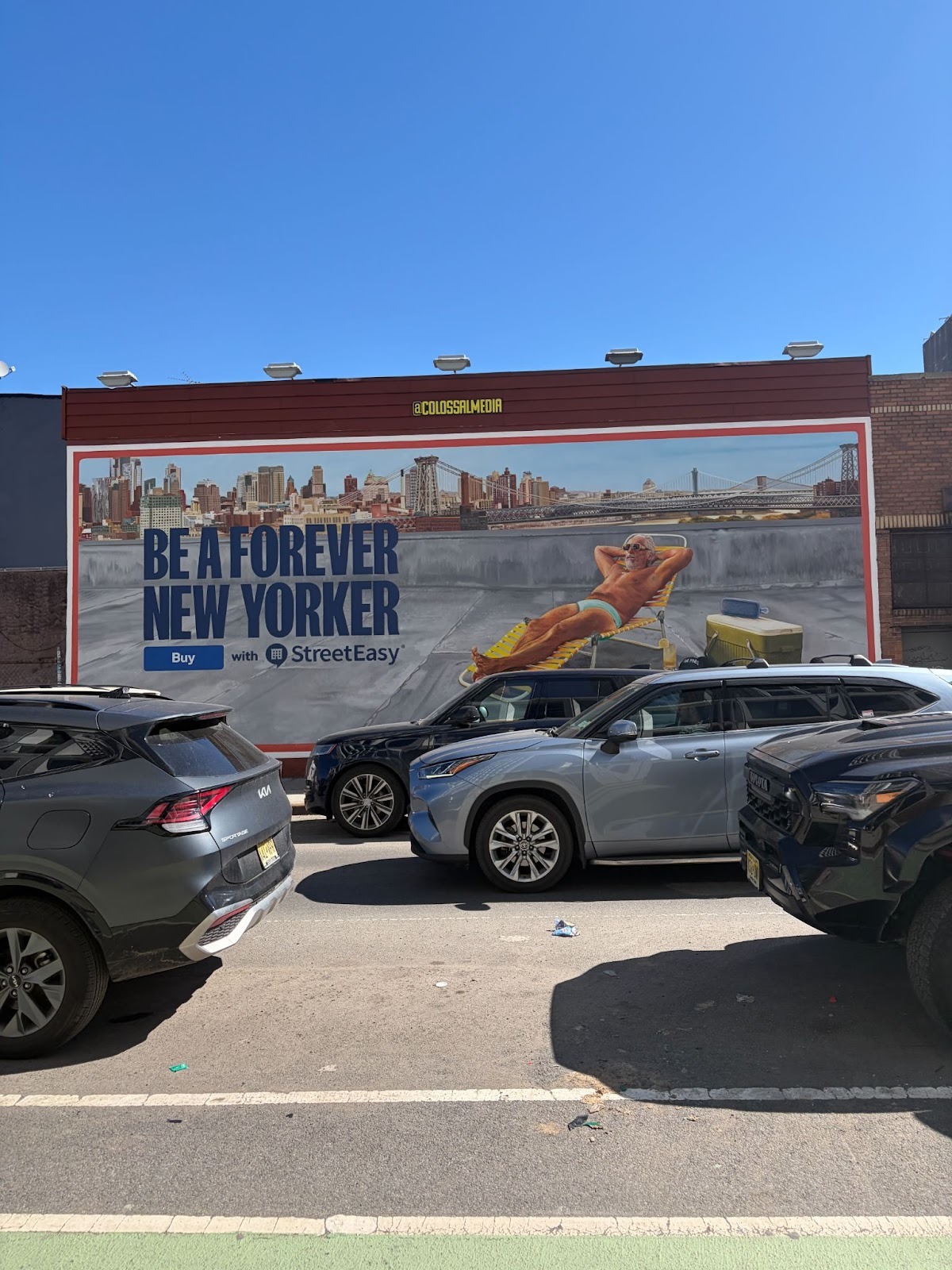
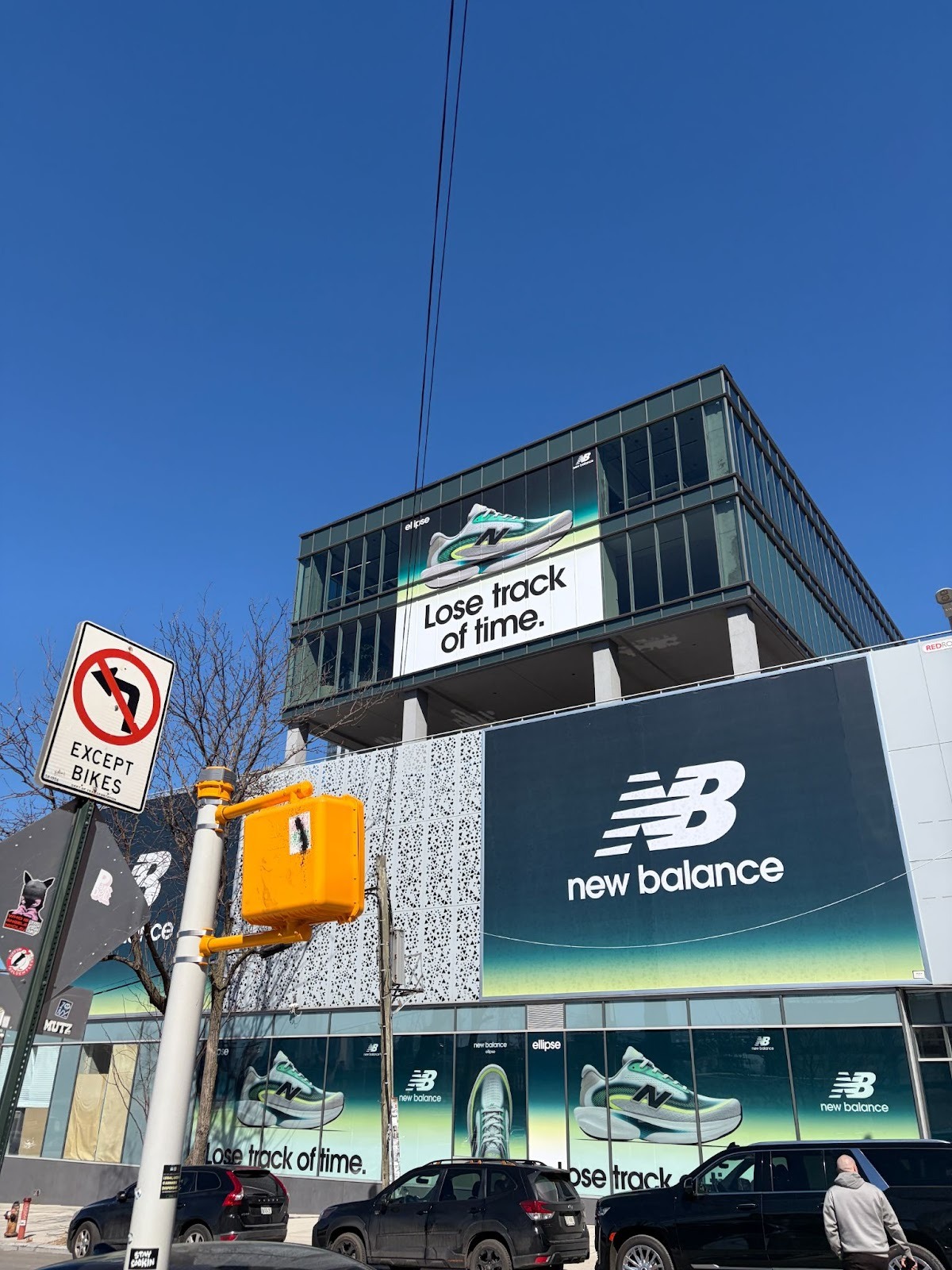
I studied advertising and anthropology in college and never recovered. Great advertising lives at the intersection of business and human behavior, an excuse to pay attention to consumers, companies, and popular culture all at once. I take pictures of billboards on my morning runs. I pause commercials to take notes on my phone. I spend more time screenshotting good ads on Instagram than looking at my friends' feeds. Once you start seeing advertising as a window into how people think and what they want, you can't turn it off.
That obsession pays off in my day job. As a brand strategist running Off-Menu, I'm constantly narrowing positioning territories with clients, trying to land on the story that will define how a company shows up in the world. Each territory has a tone, a personality, an overall feeling. And the fastest way to make that tangible is to pull up real ads that already nailed it.
One territory might feel rebellious, so I bring in Liquid Death and old Benetton work. Another might be quietly confident, so I pull up Aesop and a vintage Saab ad. The ads become shorthand for an entire creative direction. They help people feel their way into a decision, which matters because the best brand choices are almost always gut calls dressed up in strategy decks.
Old ads are especially useful for shaping creative direction. When I show a tech founder their competitor's recent campaign, they can sometimes get defensive. They start picking apart the execution or worrying about looking derivative. But when I show them a Patagonia ad from 1991 or a Volkswagen print ad from 1962, they relax. They can appreciate the craft, the tone, and the strategy behind it without feeling threatened by it. I had a client recently who couldn't commit to a bold direction until I showed them a campaign from the '70s that took the same kind of swing. Seeing that it worked, for a real brand with real stakes, was what got them over the line. The past is the best mood board there is because nobody feels competitive with it.
For years, all of these references lived in my head, scattered across bookmarks and screenshots and random Google Docs. I'd be on a client call trying to remember that one VW ad or where I saved a Street Easy billboard I photographed on a run, scrolling through folders like a digital archaeologist. I always wanted to build a searchable database for it all, something like Mobbin but for ads, but the cost of building something like that from scratch kept it in the someday pile. Then I found Claude Code and built the whole thing in a weekend.
It's called Swipe File. You can filter by attribute (rebellious, self-aware, provocative), by technique (ads that admit the obvious, use reverse psychology, say what everyone's thinking), by industry, brand, and decade. I'm adding new ads every week with notes on why they work, and I'm launching a monthly newsletter featuring 3 ads per month: all-timers that should be on your radar, new work I'm inspired by, and hidden gems that don't get enough credit. The kind of thing you can glance at for inspiration while you're in line at Trader Joe's.
If you've got a favorite ad you think belongs in here, shoot me a note and I'll add it. And if you know someone who cares about the craft of marketing and wants their work to resonate, maybe send this their way.
The next great campaign for your company is probably sitting in an ad from 1974, or a totally different industry, waiting for someone to recognize what made it work and apply it to something new.
Elan Miller is the founder of Off-Menu, a brand studio that helps tech companies unlock their next stage of growth. He's a marathoner, co-founded a burger club, and was an extra in The Waterboy (probably his most impressive credential).