Ryan Crown Interview
Ryan Crown, founder of Crown Creative has us dreaming of sun, sand and rooftop drinks as he answers our questions about his expansive food and beverage campaign for the new St. Regis Cap Cana resort
Published on
Jun 23, 2026
6
min. read
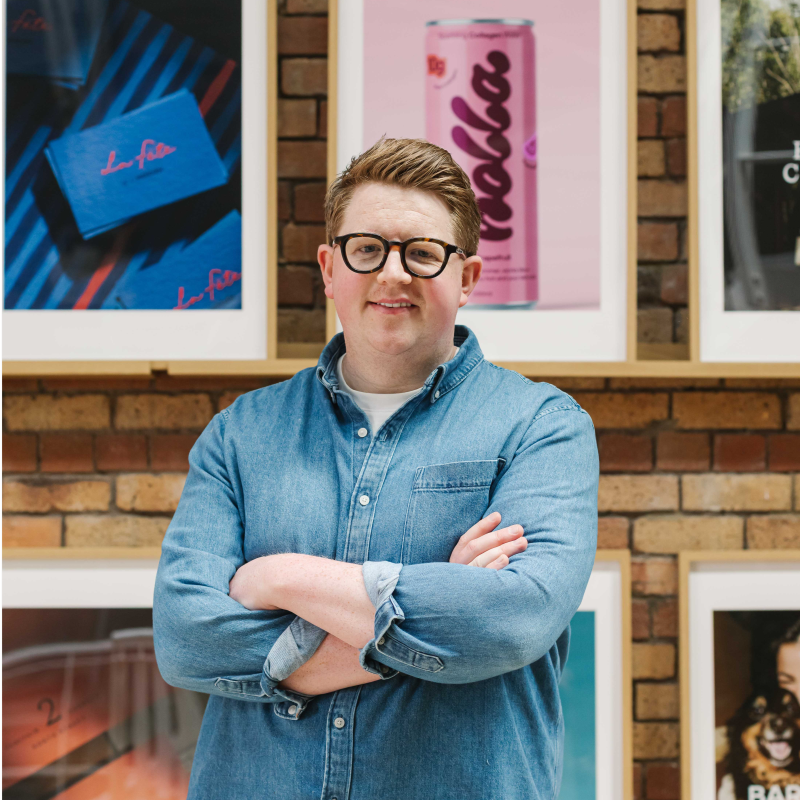
Ryan Crown, founder and creative director of Crown Creative has us dreaming of sun, sand and rooftop drinks as he answers our questions about his expansive food and beverage campaign for the new St. Regis Cap Cana resort in The Dominican Republic.
Tell us about the brief for this expansive project with St. Regis Cap Cana?
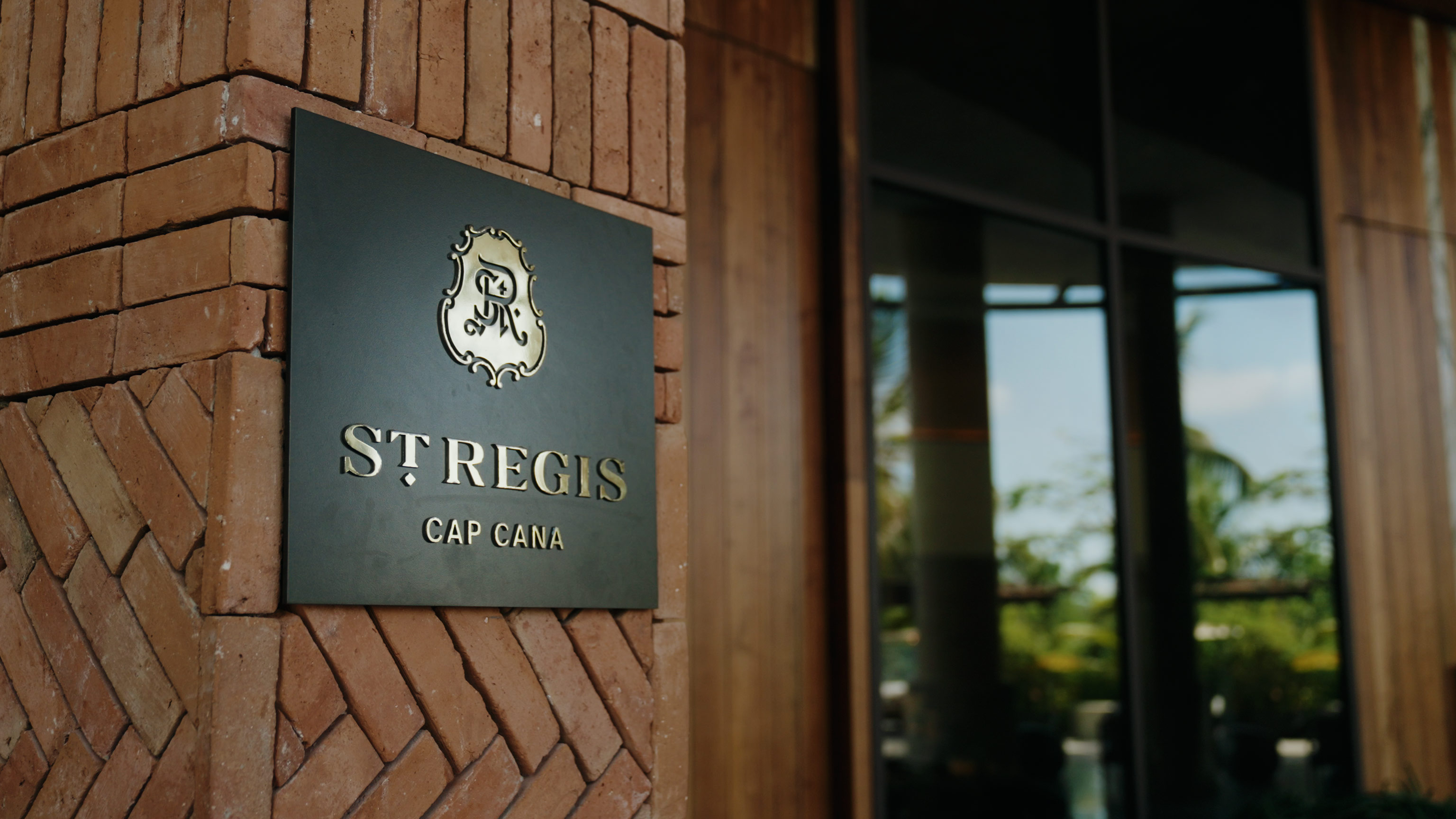
Super exciting one for us at Crown. We’re used to doing hotel projects where three or four restaurants are included in the concept but St Regis Cap Cana - the ambition was incredible. They wanted to create an entire world of experiences. Nine concepts, each with its own personality, audience and rhythm, all living under one roof in a beautiful setting. It doesn’t get much better!
The challenge was making sure every venue felt distinct enough to stand on its own while still feeling unmistakably part of the same resort story and feeling authentic to its location and setting.
What was the immersion and research phase like? Most importantly, did you get to travel to the resort to experience it firsthand?
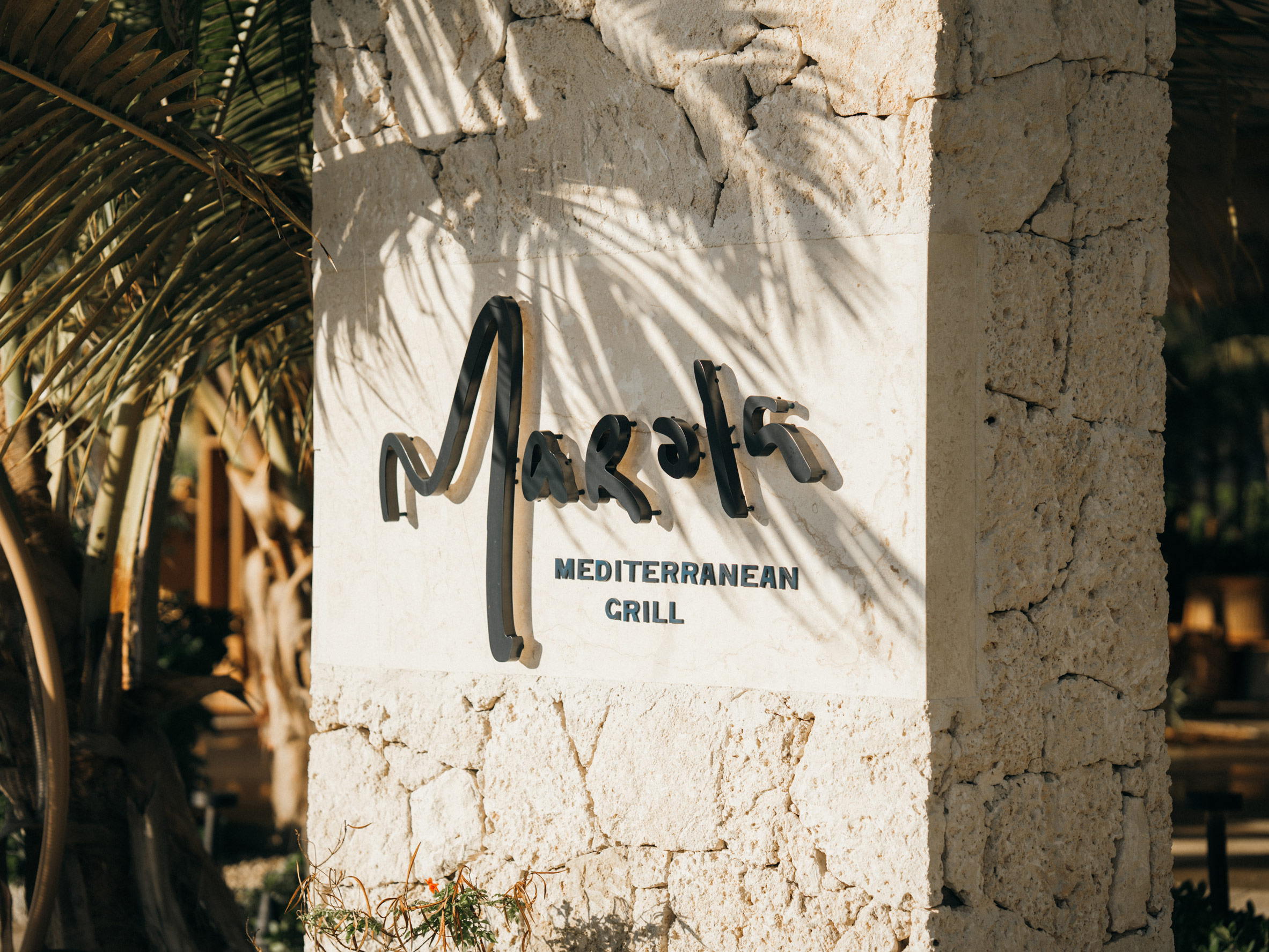
Yes, and that’s always where the real work begins. You can learn a lot from moodboards and strategy decks, but nothing replaces feeling the heat, seeing the location, understanding how guests will experience the property and being able to immerse ourselves in the local culture firsthand.
Cap Cana has an incredible energy to it. Spending time there helped us move beyond creating brands about a destination and start creating brands that could only exist in that destination. We’ve been lucky enough to return to the finished property and see our work in the flesh, and document it for our case study which is even more special to return after all the hard work.
When you’re creating multiple brands that will ultimately live side-by-side, where do you start? Was there a strategy or idea that held everything together?
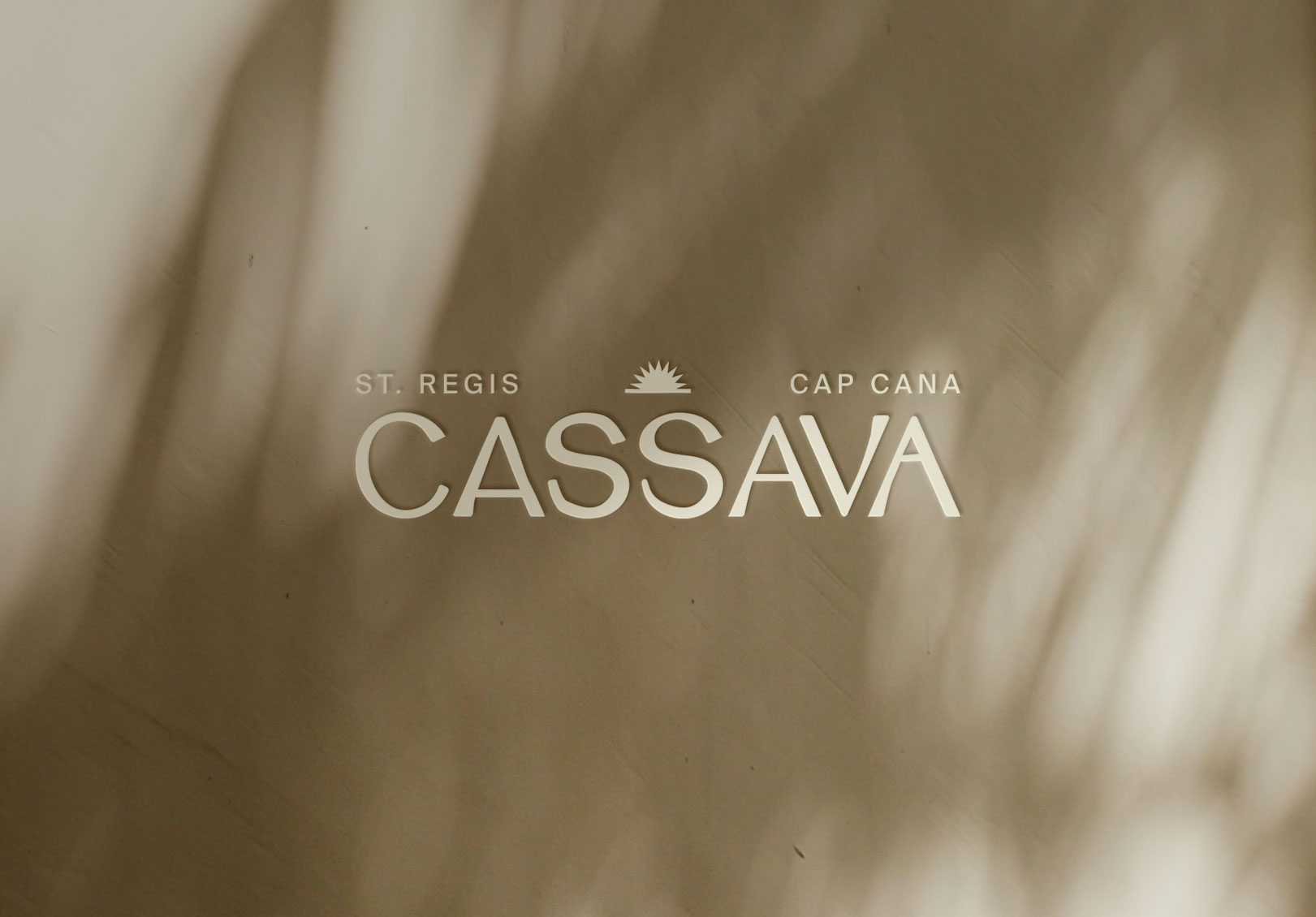
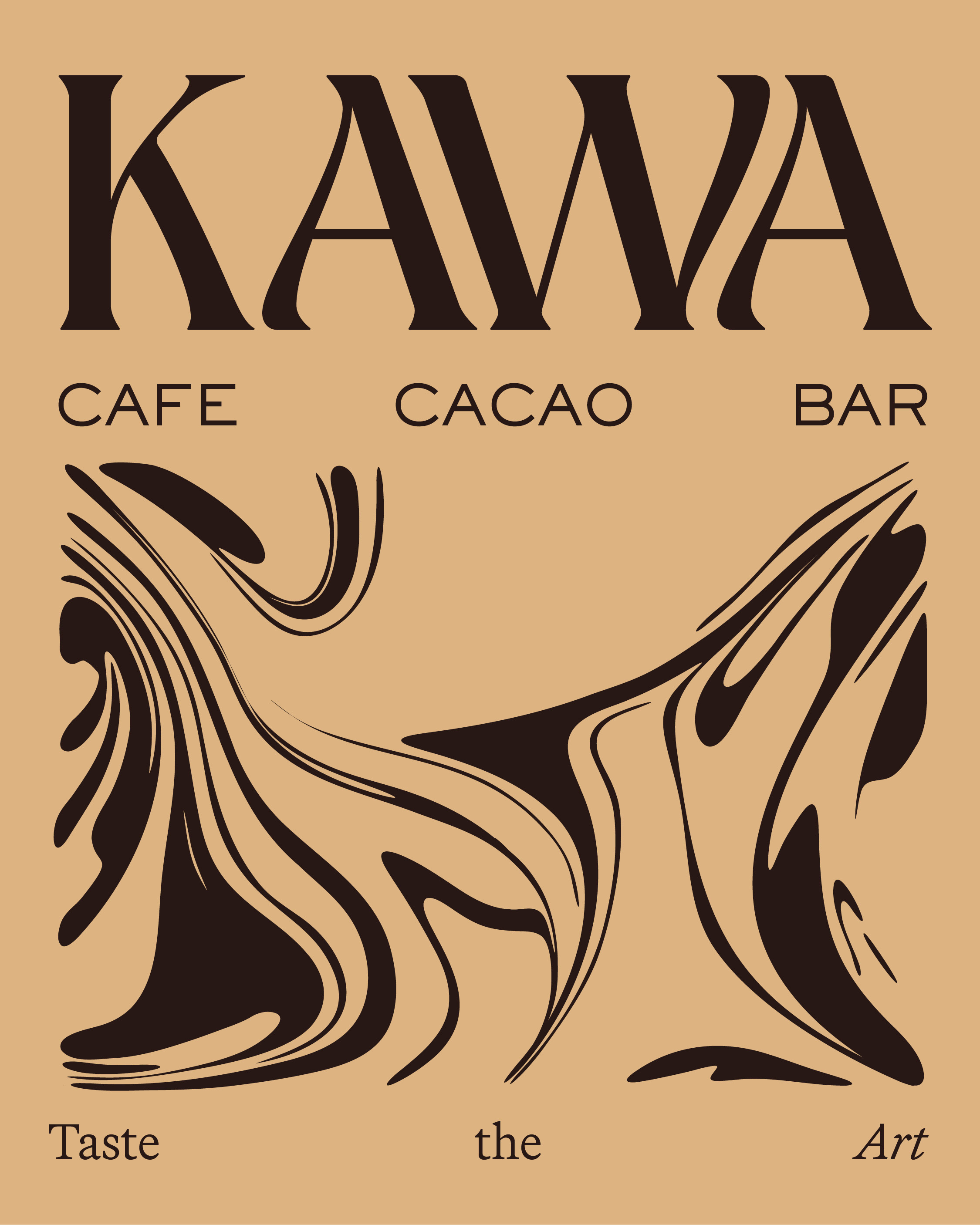
We started with the location itself. The architecture of the property was amazing and we wanted to ensure we did it justice. Before designing a single logo or naming a venue, we mapped the guest journey and looked at where each concept sat within that experience. Morning feels different from sunset. A beach club should feel different from a cocktail bar. We moved into naming next and created over fifty unique names for the various concepts before selecting the final nine. Our designers then began to explore our “golden thread” that would connect these venues and brands together. Our strategic idea, ‘Rooted in Nature’, became the foundation for the work. Inspired by the landscape, materials and cultural context of the Dominican Republic, it allowed each identity to take on its own personality while remaining part of a wider resort story.
What do you think about naming within a portfolio of experiences rather than as a standalone exercise?
Naming is always one of the hardest parts of a project like this because it’s incredibly subjective. The name you love is often the one the client doesn’t, and vice versa.
With nine concepts sitting under one master brand, our challenge wasn’t just finding great names individually, it was creating a collection that felt connected while allowing each experience to have its own personality. We wanted the names to feel memorable, effortless and distinct, without competing with one another.
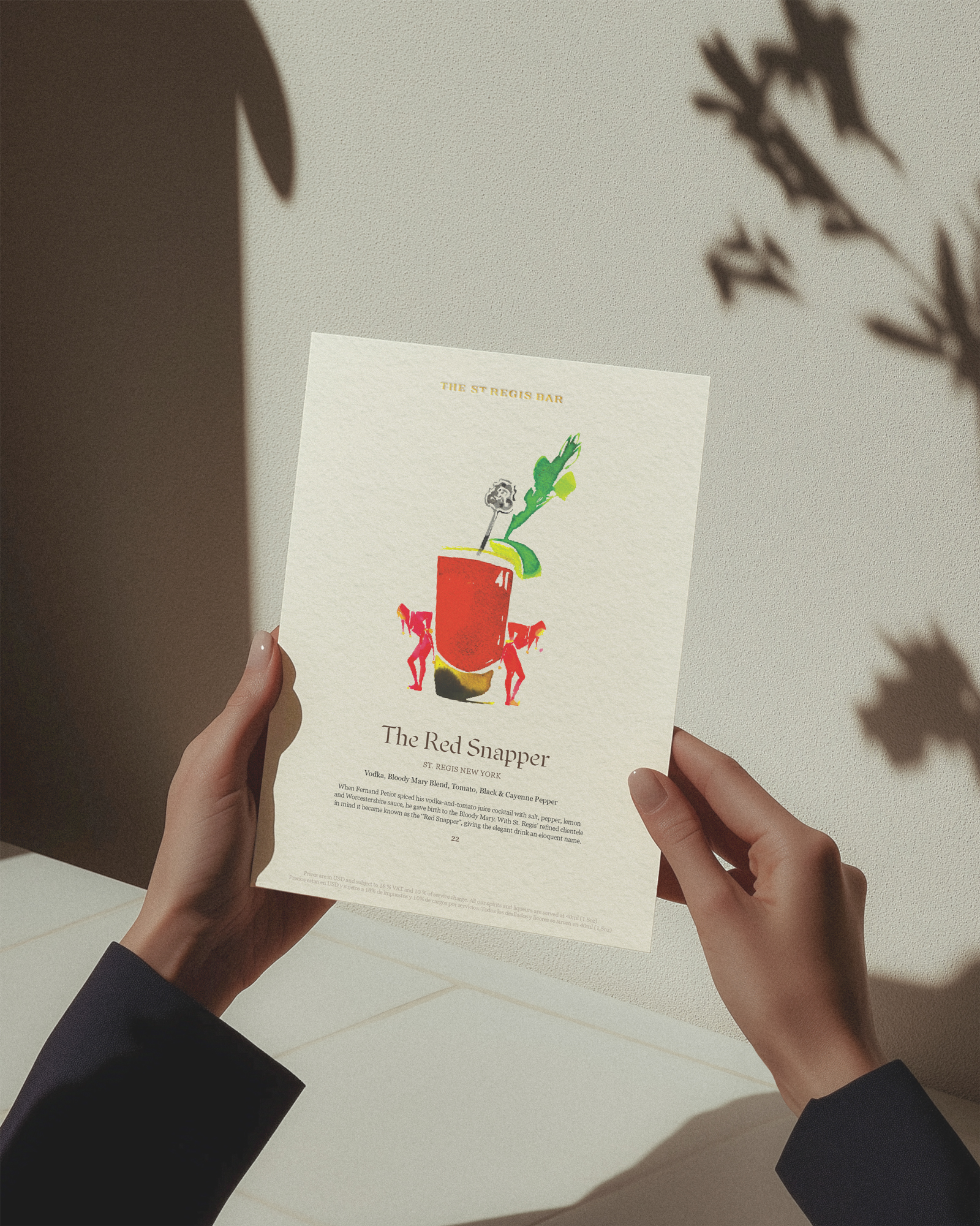
One of my favourites is Cielo Mío, the rooftop bar. The phrase translates loosely from Spanish and Italian as “my heaven” or “my sky”, which felt perfect for a venue perched above the resort overlooking Cap Cana. What’s great is that a name shouldn’t stop at the logo. It should inspire the wider experience. For Cielo Mío, it led to wayfinding moments throughout the venue, including signage that simply reads “Heaven Awaits.”
That’s always the goal. A great hospitality name doesn’t just identify a place, it creates opportunities for storytelling long after the naming process is finished.
What role did place play in shaping the identities, and how do you avoid falling into the clichés that often accompany destination branding?
Place was everything.
The trick is looking beyond the obvious. Every tropical destination has palm trees, sunsets and turquoise water. That’s rarely where the most interesting stories live.
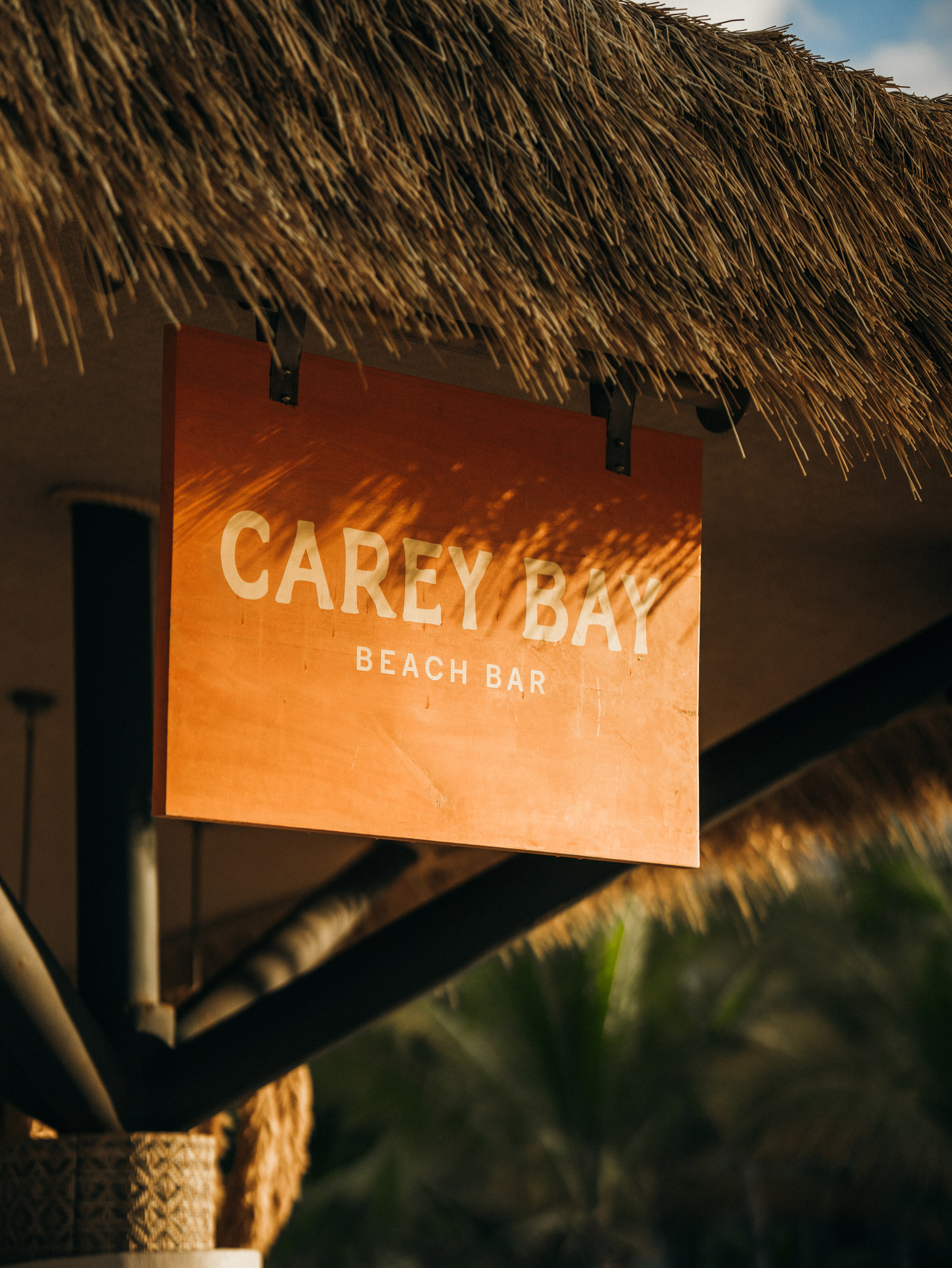
We spent a lot of time digging into the culture, history, craftsmanship and small details that make the Dominican Republic unique. For example, Carey Bay, the beachfront bar, takes its name from the Carey sea turtle, known for its beautifully patterned shell and found throughout the Caribbean waters surrounding the island. It gave us a story that felt rooted in place without feeling expected.
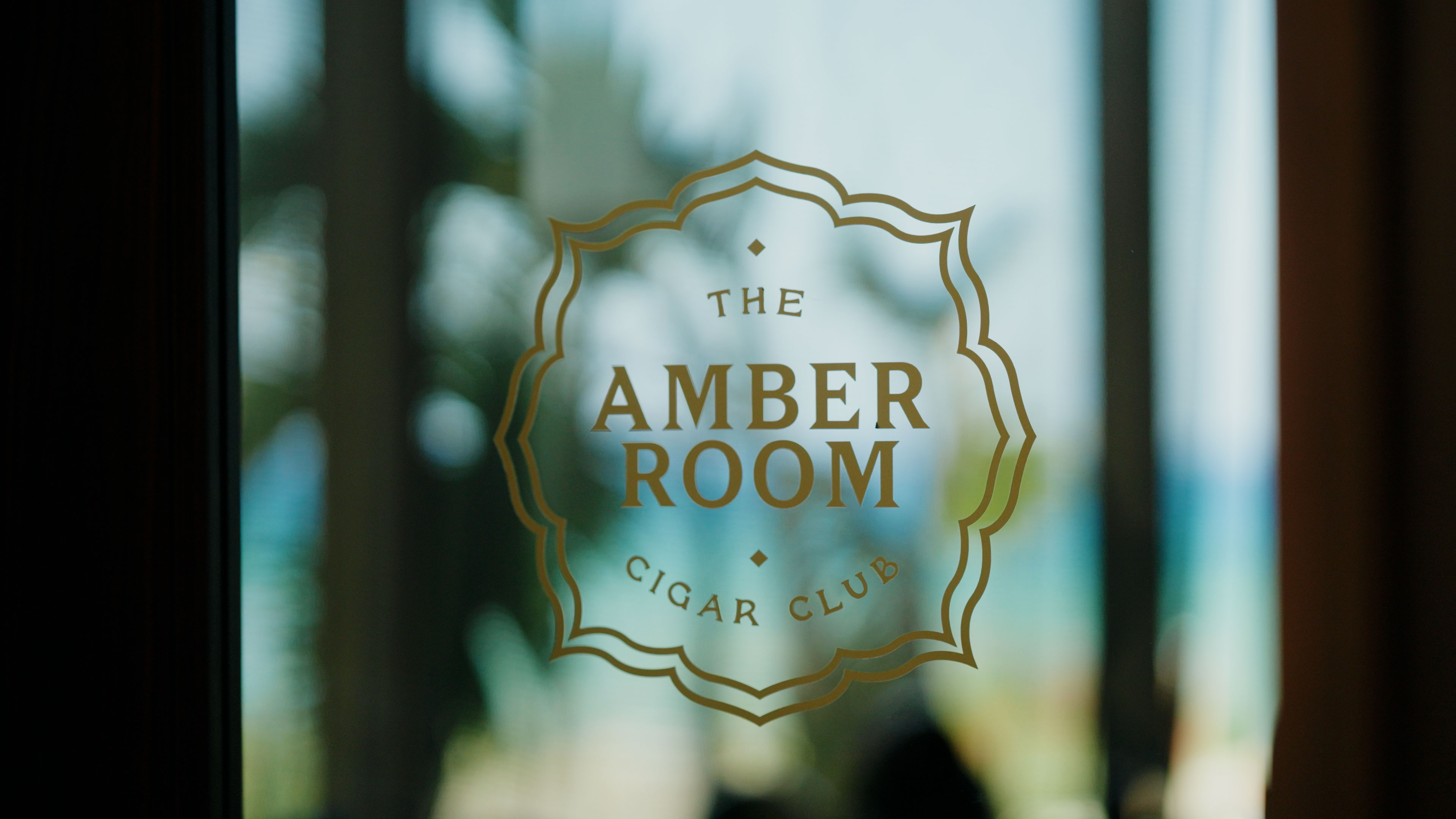
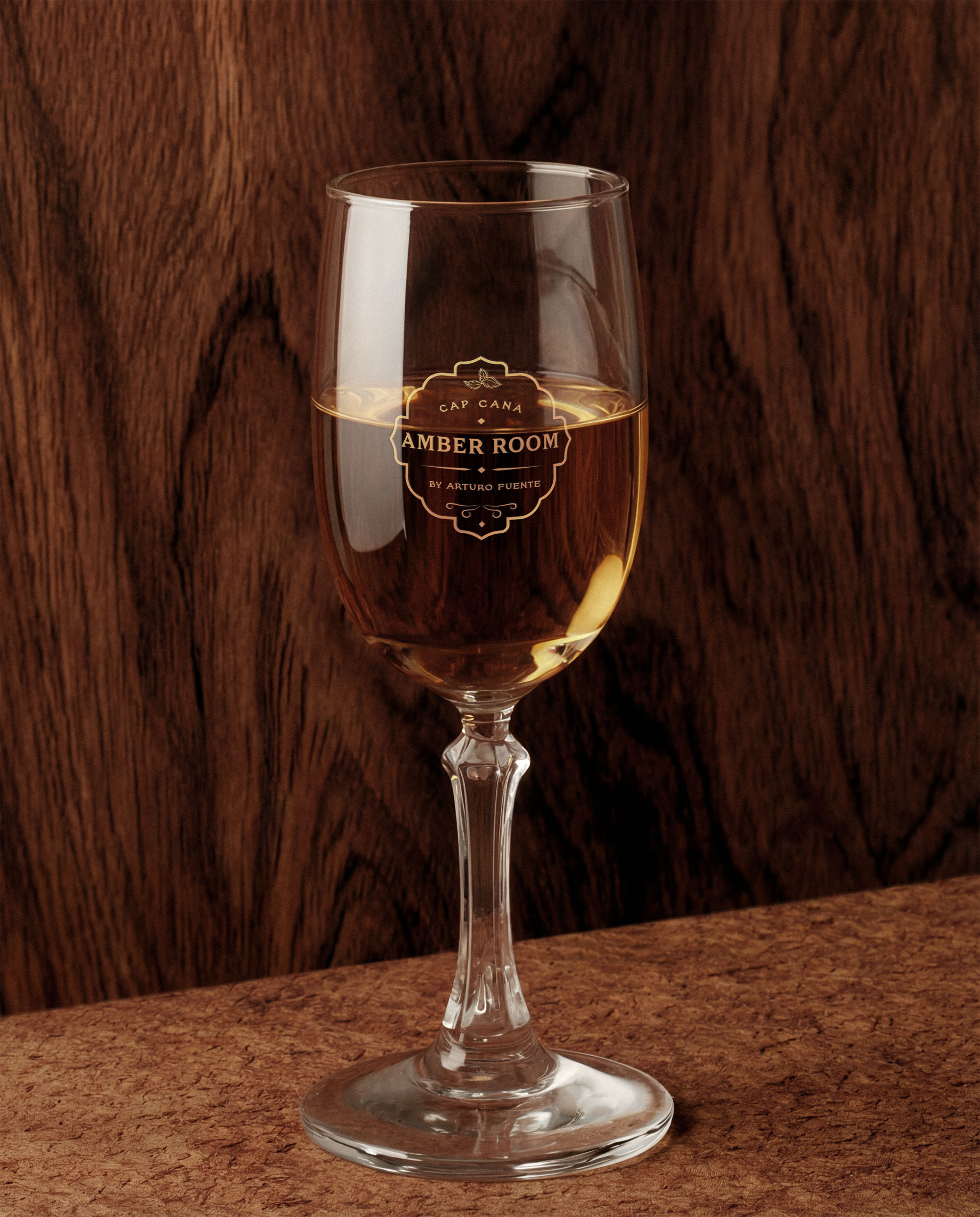
Similarly, for Amber Room, the cigar lounge, we looked beyond cigars themselves and became fascinated by the incredible heritage of cigar packaging. The identity draws inspiration from vintage cigar labels, family crests, seals and decorative embellishments from Arturo Fuente (cigars made in Dominican Republic), leading us to create a rich visual system of custom marks and brand devices that feel collected over generations rather than designed overnight.
For us, the most authentic destination brands aren’t built from postcard imagery. They’re built from the details people discover once they’re there. Those are the stories that create something far more memorable and meaningful.
.jpg)
What does luxury hospitality branding demand today that it didn’t five or ten years ago?
Personality.
Luxury used to be about perfection and polish. Today it’s about character and memorability.
Guests want stories. They want places that feel considered, layered and human. The brands that win today are often the ones that feel less corporate and more cultural and invest into that story being told throughout the guest journey. Not just in a brand or on a website but in the experience itself.
Looking across all nine concepts, which part of the process surprised you most once the work moved from concept into the realities of the physical environment?
Seeing the work come to life at full scale was incredibly rewarding.
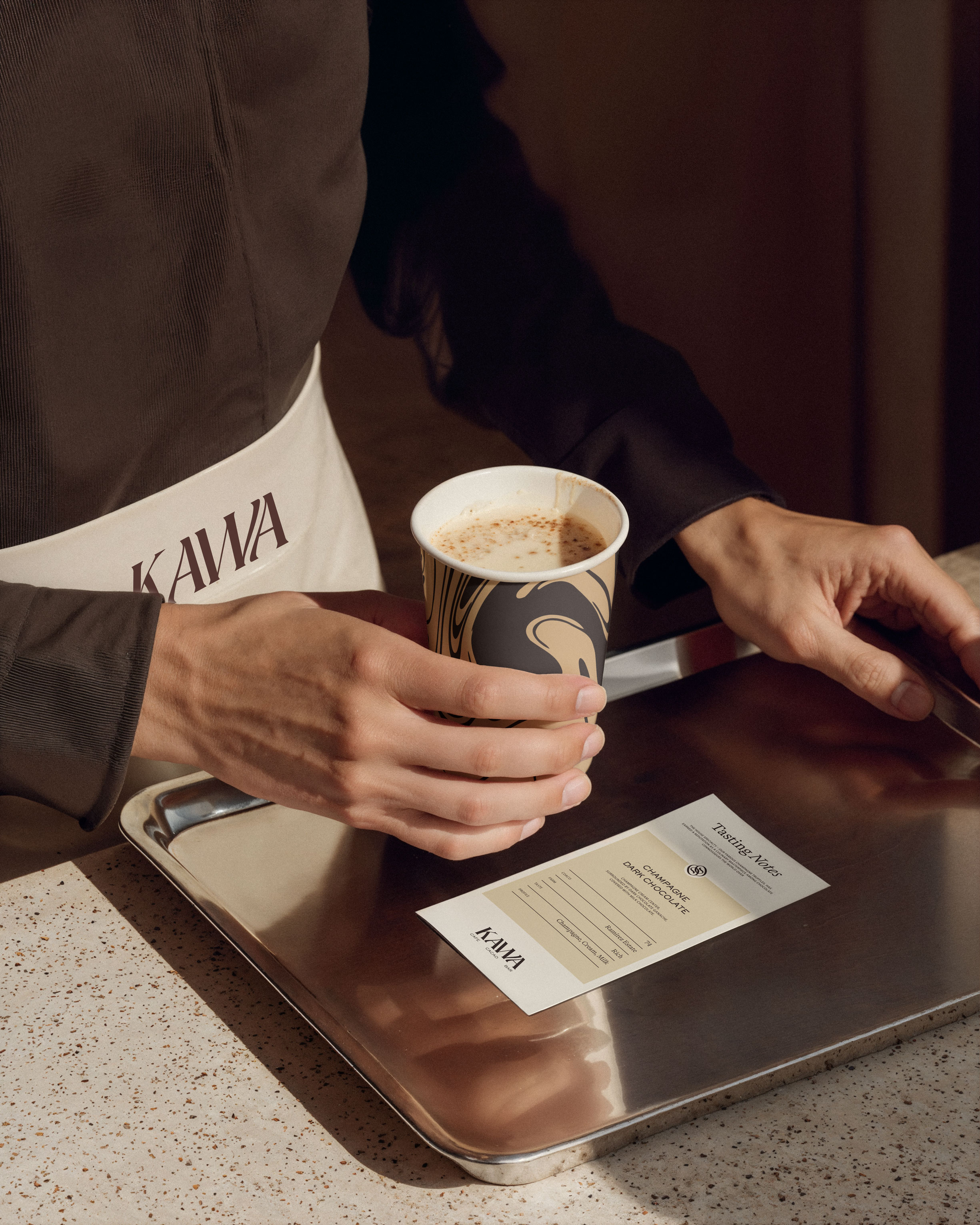
You spend months designing identities on screens, reviewing presentations and refining the smallest details, but nothing prepares you for walking the property and seeing guests interact with the work in real life. The signage, menus, uniforms, environmental graphics, packaging and interiors all suddenly come together as one experience.
What made it particularly special was seeing the impact our entire team had on the final outcome. Strategists, designers, project managers, art directors, creative directors and interior designers all played a role in shaping these experiences. Projects of this scale are never the result of one person or one discipline. They’re the product of a talented team working closely together over a long period of time.
Having the opportunity to visit St. Regis Cap Cana recently and experience it firsthand was a proud moment for all of us. Seeing something move from sketches and conversations in our Belfast, London and New York studios into a world-class resort in the Dominican Republic is exactly why we do what we do. It’s a project we’re immensely proud of.
Bonus Round
If you could brand any destination in the world, what would it be and why?
As a proud Irishman, it’s probably a predictable answer, but I’d say Ireland.
We’re a country that consistently punches above its weight. We have an incredible tradition of storytelling, hospitality, music, design and culture, but we also have some of the most beautiful and dramatic landscapes in the world. What’s fascinating is that many of them still feel undiscovered.
From the wild Atlantic coastline to small rural villages and emerging cities like Belfast, Ireland has a depth of character that’s difficult to manufacture.
If you had to sum up your work in 5 words or less, what would it say?
Rooted in story, obsessed with detail. (6 words - forgive me!)
What is one line that you think should be banned from hospitality branding?
“We need an Instagram moment.”
If you’re designing specifically for social media, you’re probably solving the wrong problem. Create something authentic, memorable and genuinely worth experiencing and the photos will take care of themselves.
Ryan Crown, founder and creative director of Crown Creative has us dreaming of sun, sand and rooftop drinks as he answers our questions about his expansive food and beverage campaign for the new St. Regis Cap Cana resort in The Dominican Republic.
Tell us about the brief for this expansive project with St. Regis Cap Cana?
Super exciting one for us at Crown. We’re used to doing hotel projects where three or four restaurants are included in the concept but St Regis Cap Cana - the ambition was incredible. They wanted to create an entire world of experiences. Nine concepts, each with its own personality, audience and rhythm, all living under one roof in a beautiful setting. It doesn’t get much better!
The challenge was making sure every venue felt distinct enough to stand on its own while still feeling unmistakably part of the same resort story and feeling authentic to its location and setting.
What was the immersion and research phase like? Most importantly, did you get to travel to the resort to experience it firsthand?
Yes, and that’s always where the real work begins. You can learn a lot from moodboards and strategy decks, but nothing replaces feeling the heat, seeing the location, understanding how guests will experience the property and being able to immerse ourselves in the local culture firsthand.
Cap Cana has an incredible energy to it. Spending time there helped us move beyond creating brands about a destination and start creating brands that could only exist in that destination. We’ve been lucky enough to return to the finished property and see our work in the flesh, and document it for our case study which is even more special to return after all the hard work.
When you’re creating multiple brands that will ultimately live side-by-side, where do you start? Was there a strategy or idea that held everything together?
We started with the location itself. The architecture of the property was amazing and we wanted to ensure we did it justice. Before designing a single logo or naming a venue, we mapped the guest journey and looked at where each concept sat within that experience. Morning feels different from sunset. A beach club should feel different from a cocktail bar. We moved into naming next and created over fifty unique names for the various concepts before selecting the final nine. Our designers then began to explore our “golden thread” that would connect these venues and brands together. Our strategic idea, ‘Rooted in Nature’, became the foundation for the work. Inspired by the landscape, materials and cultural context of the Dominican Republic, it allowed each identity to take on its own personality while remaining part of a wider resort story.
What do you think about naming within a portfolio of experiences rather than as a standalone exercise?
Naming is always one of the hardest parts of a project like this because it’s incredibly subjective. The name you love is often the one the client doesn’t, and vice versa.
With nine concepts sitting under one master brand, our challenge wasn’t just finding great names individually, it was creating a collection that felt connected while allowing each experience to have its own personality. We wanted the names to feel memorable, effortless and distinct, without competing with one another.
One of my favourites is Cielo Mío, the rooftop bar. The phrase translates loosely from Spanish and Italian as “my heaven” or “my sky”, which felt perfect for a venue perched above the resort overlooking Cap Cana. What’s great is that a name shouldn’t stop at the logo. It should inspire the wider experience. For Cielo Mío, it led to wayfinding moments throughout the venue, including signage that simply reads “Heaven Awaits.”
That’s always the goal. A great hospitality name doesn’t just identify a place, it creates opportunities for storytelling long after the naming process is finished.
What role did place play in shaping the identities, and how do you avoid falling into the clichés that often accompany destination branding?
Place was everything.
The trick is looking beyond the obvious. Every tropical destination has palm trees, sunsets and turquoise water. That’s rarely where the most interesting stories live.
We spent a lot of time digging into the culture, history, craftsmanship and small details that make the Dominican Republic unique. For example, Carey Bay, the beachfront bar, takes its name from the Carey sea turtle, known for its beautifully patterned shell and found throughout the Caribbean waters surrounding the island. It gave us a story that felt rooted in place without feeling expected.
Similarly, for Amber Room, the cigar lounge, we looked beyond cigars themselves and became fascinated by the incredible heritage of cigar packaging. The identity draws inspiration from vintage cigar labels, family crests, seals and decorative embellishments from Arturo Fuente (cigars made in Dominican Republic), leading us to create a rich visual system of custom marks and brand devices that feel collected over generations rather than designed overnight.
For us, the most authentic destination brands aren’t built from postcard imagery. They’re built from the details people discover once they’re there. Those are the stories that create something far more memorable and meaningful.
What does luxury hospitality branding demand today that it didn’t five or ten years ago?
Personality.
Luxury used to be about perfection and polish. Today it’s about character and memorability.
Guests want stories. They want places that feel considered, layered and human. The brands that win today are often the ones that feel less corporate and more cultural and invest into that story being told throughout the guest journey. Not just in a brand or on a website but in the experience itself.
Looking across all nine concepts, which part of the process surprised you most once the work moved from concept into the realities of the physical environment?
Seeing the work come to life at full scale was incredibly rewarding.
You spend months designing identities on screens, reviewing presentations and refining the smallest details, but nothing prepares you for walking the property and seeing guests interact with the work in real life. The signage, menus, uniforms, environmental graphics, packaging and interiors all suddenly come together as one experience.
What made it particularly special was seeing the impact our entire team had on the final outcome. Strategists, designers, project managers, art directors, creative directors and interior designers all played a role in shaping these experiences. Projects of this scale are never the result of one person or one discipline. They’re the product of a talented team working closely together over a long period of time.
Having the opportunity to visit St. Regis Cap Cana recently and experience it firsthand was a proud moment for all of us. Seeing something move from sketches and conversations in our Belfast, London and New York studios into a world-class resort in the Dominican Republic is exactly why we do what we do. It’s a project we’re immensely proud of.
Bonus Round
If you could brand any destination in the world, what would it be and why?
As a proud Irishman, it’s probably a predictable answer, but I’d say Ireland.
We’re a country that consistently punches above its weight. We have an incredible tradition of storytelling, hospitality, music, design and culture, but we also have some of the most beautiful and dramatic landscapes in the world. What’s fascinating is that many of them still feel undiscovered.
From the wild Atlantic coastline to small rural villages and emerging cities like Belfast, Ireland has a depth of character that’s difficult to manufacture.
If you had to sum up your work in 5 words or less, what would it say?
Rooted in story, obsessed with detail. (6 words - forgive me!)
What is one line that you think should be banned from hospitality branding?
“We need an Instagram moment.”
If you’re designing specifically for social media, you’re probably solving the wrong problem. Create something authentic, memorable and genuinely worth experiencing and the photos will take care of themselves.




Newsletters
Stay in the loop with The Subtext! Subscribe to our newsletter for the latest articles, exclusive interviews, and writing tips delivered straight to your inbox. Join our community of passionate writers and never miss a beat.