On the best days of being a copywriter, work can be actually, genuinely exciting. Projects stream in like a series of brainteasers, waiting to be solved in luscious bursts of insight. Feedback is constructive and approval is effortless. Everything comes out shining and portfolio-ready.
On the worst days, copywriting can feel like a dreaded sequence of endless feedback loops, dead ends, and the same old pleasantries on Google Meet calls. You find yourself deep in the corporate slog, churning out words without any of the creative payoff you were promised.
Lately I’ve been thinking a lot about a conversation I had with a brilliant former coworker who’d just told me he was moving on to his next gig. He admitted that he felt a little guilty about taking time off — that it was going to be hard to turn off that part of his brain that’s been wired to hustle.
“It’s the agency bug in me,” he confessed. “It keeps telling me to stay hungry.”
To which I instinctively said something along the lines of: well, you’ve gotta give yourself the space to work up an appetite. We laughed about it at the time, but the truth of it has stuck with me. And when I started to feel myself teetering on the brink of burnout last month, I decided to request a week off work. My plans were to stay home, recharge, and essentially do nothing but prioritize my own leisure. My preferred way of working up an appetite.
The more I dreamt up my ideal staycation itinerary, the more it evolved from a regular week of PTO into a full-blown side quest for my newsletter. I started writing on Substack as a way to push myself to write more outside of my day job and the pages of my journal. It’s become a reason for me to spin up hypotheses and run my own little experiments, all as fodder for personal essays on creative living. Thus, the idea of my “oooasis” was born: an experiment in turning an OOO week into my ideal personal retreat.
I approached it like an assignment, a DIY creative residency of sorts. How would I spend a week with no obligations, my only task being to craft my perfect day off every single day? I set the intention to create more than I consume, surrender to the flow, and let my intuition lead the way.
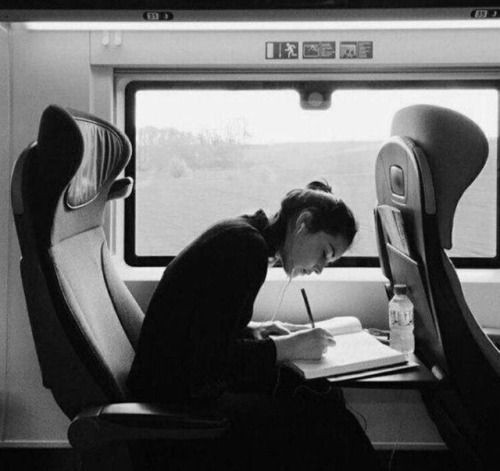
And, as expected, it felt leisurely and luxurious. I finally had the space to do things I’d been meaning to do forever: journal in cafés sourced from my saved folders, go to a live jazz show, try the viral $3 mango mochi in Chinatown. It was a week of striking the balance between structure and spontaneity, and it was truly freeing.
But still, I felt guilt lurking in the background, whispering to me in moments of peak bliss: shouldn’t you feel bad that you’re doing this for no real reason? I had the urge to withhold my oooasis plans when coworkers asked what I was doing with my week off, even if I knew they’d be supportive. I found myself self-imposing a sense of shame for taking time away from work to recalibrate, as if I needed a more so-called valid reason to do so.
It’s something I’ve been noticing among other creatives in my orbit, too — a pattern that transcends the in-house, agency, and freelance distinctions. The idea of taking off time without a pre-planned obligation like a wedding or a vacation somehow feels wrong. It goes against the grain of the grind we’ve been conditioned to chase.
I recognized this friction building up, so I journaled about it. Over the course of the week, I worked through the discomfort of reprogramming my inner productivity compass, choosing to lean into this resistance instead of avoiding it.
And in return, I came out on the other side of my oooasis week feeling refreshed on a cellular level, and more in tune with myself as a writer — copy and otherwise. I logged back on the following Monday with a renewed sense of presence and perspective. New ideas came streaming in, and I started seeing inspiration and portals for opportunity everywhere.
So yes: writing a newsletter about my staycation did end up unintentionally transforming my relationship with copywriting. I’ve been feeling a creative spark and curiosity that I haven’t experienced in a long time, both at work and beyond it. And I’ve got to admit, it feels good to be hungry like this again.
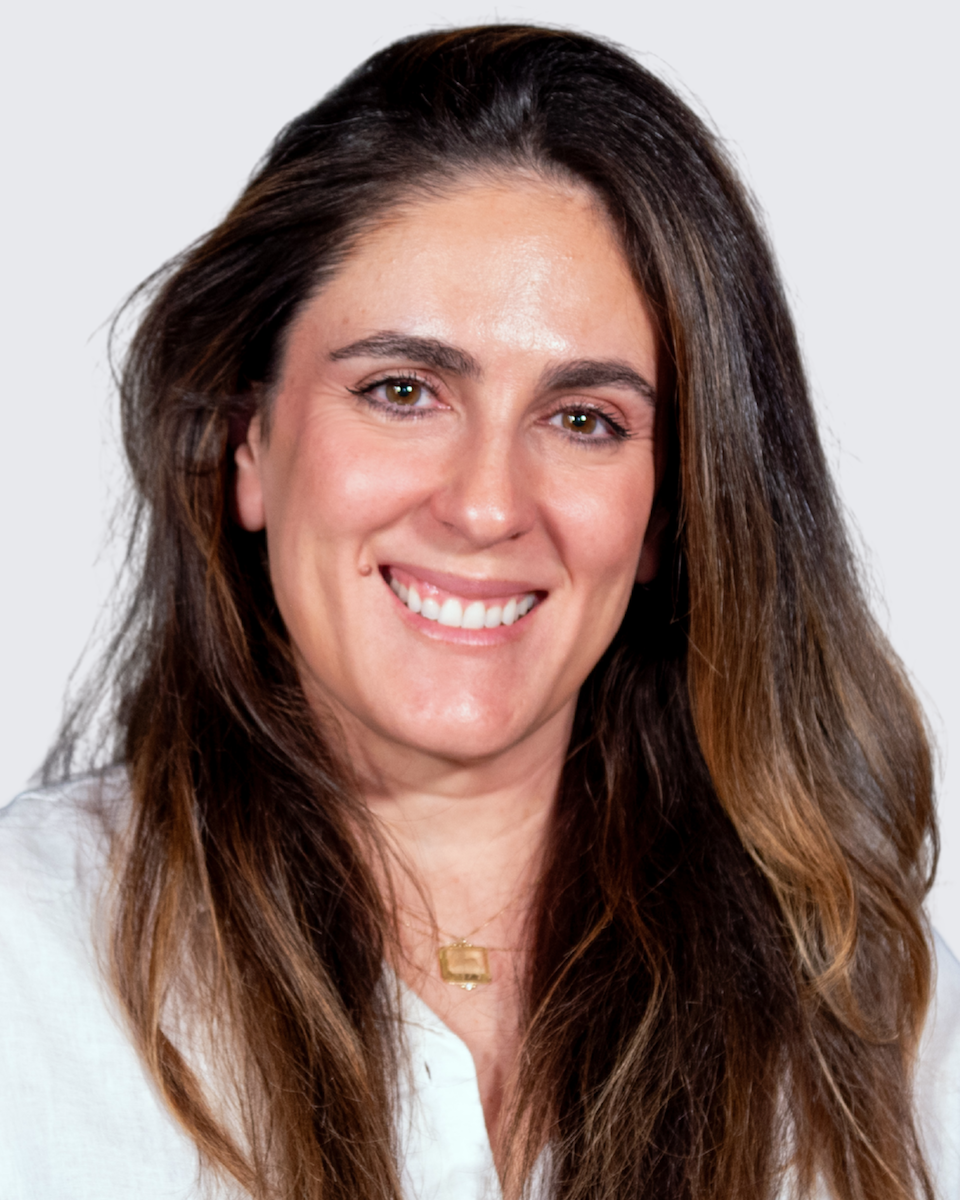
Meg Loughman is a writer who grew up on the bayou and is now based in Brooklyn. She’s currently a Senior Content Strategist at Lyft, with previous stints writing copy and world-building at brands like Thinx and KREWE. She also writes inner gems, a Substack about creative living and sensory delights. You can find her on Instagram, TikTok, and LinkedIn.
On the best days of being a copywriter, work can be actually, genuinely exciting. Projects stream in like a series of brainteasers, waiting to be solved in luscious bursts of insight. Feedback is constructive and approval is effortless. Everything comes out shining and portfolio-ready.
On the worst days, copywriting can feel like a dreaded sequence of endless feedback loops, dead ends, and the same old pleasantries on Google Meet calls. You find yourself deep in the corporate slog, churning out words without any of the creative payoff you were promised.
Lately I’ve been thinking a lot about a conversation I had with a brilliant former coworker who’d just told me he was moving on to his next gig. He admitted that he felt a little guilty about taking time off — that it was going to be hard to turn off that part of his brain that’s been wired to hustle.
“It’s the agency bug in me,” he confessed. “It keeps telling me to stay hungry.”
To which I instinctively said something along the lines of: well, you’ve gotta give yourself the space to work up an appetite. We laughed about it at the time, but the truth of it has stuck with me. And when I started to feel myself teetering on the brink of burnout last month, I decided to request a week off work. My plans were to stay home, recharge, and essentially do nothing but prioritize my own leisure. My preferred way of working up an appetite.
The more I dreamt up my ideal staycation itinerary, the more it evolved from a regular week of PTO into a full-blown side quest for my newsletter. I started writing on Substack as a way to push myself to write more outside of my day job and the pages of my journal. It’s become a reason for me to spin up hypotheses and run my own little experiments, all as fodder for personal essays on creative living. Thus, the idea of my “oooasis” was born: an experiment in turning an OOO week into my ideal personal retreat.
I approached it like an assignment, a DIY creative residency of sorts. How would I spend a week with no obligations, my only task being to craft my perfect day off every single day? I set the intention to create more than I consume, surrender to the flow, and let my intuition lead the way.
And, as expected, it felt leisurely and luxurious. I finally had the space to do things I’d been meaning to do forever: journal in cafés sourced from my saved folders, go to a live jazz show, try the viral $3 mango mochi in Chinatown. It was a week of striking the balance between structure and spontaneity, and it was truly freeing.
But still, I felt guilt lurking in the background, whispering to me in moments of peak bliss: shouldn’t you feel bad that you’re doing this for no real reason? I had the urge to withhold my oooasis plans when coworkers asked what I was doing with my week off, even if I knew they’d be supportive. I found myself self-imposing a sense of shame for taking time away from work to recalibrate, as if I needed a more so-called valid reason to do so.
It’s something I’ve been noticing among other creatives in my orbit, too — a pattern that transcends the in-house, agency, and freelance distinctions. The idea of taking off time without a pre-planned obligation like a wedding or a vacation somehow feels wrong. It goes against the grain of the grind we’ve been conditioned to chase.
I recognized this friction building up, so I journaled about it. Over the course of the week, I worked through the discomfort of reprogramming my inner productivity compass, choosing to lean into this resistance instead of avoiding it.
And in return, I came out on the other side of my oooasis week feeling refreshed on a cellular level, and more in tune with myself as a writer — copy and otherwise. I logged back on the following Monday with a renewed sense of presence and perspective. New ideas came streaming in, and I started seeing inspiration and portals for opportunity everywhere.
So yes: writing a newsletter about my staycation did end up unintentionally transforming my relationship with copywriting. I’ve been feeling a creative spark and curiosity that I haven’t experienced in a long time, both at work and beyond it. And I’ve got to admit, it feels good to be hungry like this again.
Meg Loughman is a writer who grew up on the bayou and is now based in Brooklyn. She’s currently a Senior Content Strategist at Lyft, with previous stints writing copy and world-building at brands like Thinx and KREWE. She also writes inner gems, a Substack about creative living and sensory delights. You can find her on Instagram, TikTok, and LinkedIn.
Further Reading