What translating poetry taught me (and might teach you).
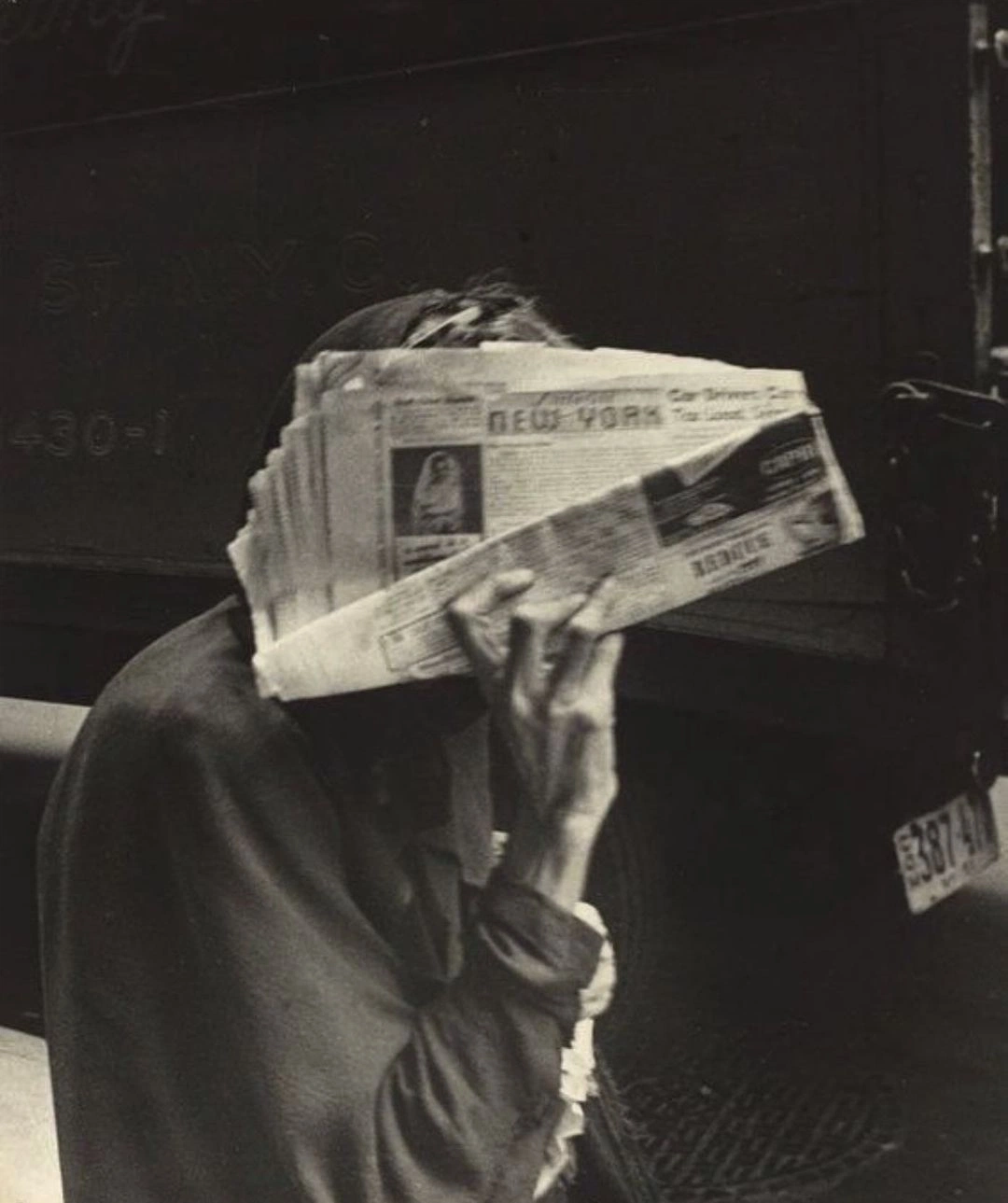
Writing for a brand asks you to marry your personal taste with a brand’s tone and perspective. In a sense, it’s writing inside a second skin. It’s a manner of writing I’ve found similar to poetry translation. In fact, I’d like to persuade you that you can build your chops as a namer, copywriter or strategist by translating poetry, even if you don’t speak another language. Anyone can do this through monolingual translation workshops.
Does ‘monolingual translation’ sound like a contradiction? I’ll explain.
Translating a poem is inherently a marriage of perspectives. It’s an opportunity to slip into another mind shaped by another culture. A way to explore new sounds and new rhythms (sometimes it’s easier to hear the music in a line that’s not in your native tongue). Listening for the music, the resonances inside an idea; listening for what someone is trying to say beneath what they’ve told you – that’s where I find the intersection of poetry translation and writing for brands. Both are forms of acting, combining your voice with the source material to produce something powerful.
And what better teacher to help shape your own voice than a poet?
What better way than to climb inside their skin?
To see with the eyes of someone who looks at the world honestly and organizes their life around putting down some bit of truth?
If verbal identity is convincingly portraying a distinct perspective, if copy aims to succinctly make a lasting impression, if naming aims to craft a tiny package brimming with stories, poetry is a natural wellspring. Translation is a prism that reveals all the nuance in the source material. In this Substack post comparing her translation of the Iliad with previous versions, Emily Wilson notes that each is a “valid but different portrait”. Prismatic, kaleidoscopic, but different. It reminds me of a sticker I saw at the most recent Business of Naming conference: "Call me when you have one thousand ideas." Sometimes working in tiny spaces with minute variations, sometimes swinging wildly between the poles, good writing approaches a brief from every angle, each showcasing some aspect of the story a brand wants to tell.
Connecting over a poem in a workshop is a nice change from the typically lonely practice of writing. It’s enlightening to see how different minds work (even when you don’t agree). What needs to be said out loud, what can we imply? Can we express this element we had to sacrifice in another line? I’m always amazed at the way a handful of people can spend 20 minutes teasing apart shades of meaning and color and sound in a tiny bit of text until, sorry, we have to move on if we want to finish.
There’s a brilliant meme about moving a photo in Microsoft Word, where a small adjustment causes everything else to go haywire. A poem is like that, interconnected. Touch one line and the others wobble. And in translation, the lines are umbilically connected to a whole other poem. It’s a puzzle. You have to pay attention. Translators like to say no one reads a text as closely, and I think that’s true. You can’t express what you haven’t understood.
This playful exercise is open to anyone, even if you don’t speak a second language. My first monolingual translation workshop was one organized by the Poetry Translation Centre in the UK. We team-translated Railings Around the Crib by Persian poet Farzaneh Ghavami. I don’t speak a word of Persian. A half-dozen participants received a clunky, literal translation of the poem ahead of time. During the workshop, a Persian speaker helped us understand how an English word’s range of connotations overlapped with the Persian word in the source text. Once that’s considered, the real work is turning an awkward pile of words into something that sings. It’s what we do, for example, in naming. When clients show up with their brainstorming list, you’re hearing from the horse’s mouth. The names should be good, but they often aren’t. Because they don’t sing. Performing acrobatics in small spaces is what elevates memorable, compelling copy.
For anyone interested in this kind of practice, I recommend the Poetry Translation Centre.
For those with access to a second language, the American Literary Translation Association holds workshops several times a year.
About Mason
Mason Colby is a namer, writer, and creative strategist who works with naming and branding agencies to find the ideas and words that haven’t occurred to you yet. His practice draws on years of experience across naming, poetry translation, and songwriting.
What translating poetry taught me (and might teach you).
Writing for a brand asks you to marry your personal taste with a brand’s tone and perspective. In a sense, it’s writing inside a second skin. It’s a manner of writing I’ve found similar to poetry translation. In fact, I’d like to persuade you that you can build your chops as a namer, copywriter or strategist by translating poetry, even if you don’t speak another language. Anyone can do this through monolingual translation workshops.
Does ‘monolingual translation’ sound like a contradiction? I’ll explain.
Translating a poem is inherently a marriage of perspectives. It’s an opportunity to slip into another mind shaped by another culture. A way to explore new sounds and new rhythms (sometimes it’s easier to hear the music in a line that’s not in your native tongue). Listening for the music, the resonances inside an idea; listening for what someone is trying to say beneath what they’ve told you – that’s where I find the intersection of poetry translation and writing for brands. Both are forms of acting, combining your voice with the source material to produce something powerful.
And what better teacher to help shape your own voice than a poet?
What better way than to climb inside their skin?
To see with the eyes of someone who looks at the world honestly and organizes their life around putting down some bit of truth?
If verbal identity is convincingly portraying a distinct perspective, if copy aims to succinctly make a lasting impression, if naming aims to craft a tiny package brimming with stories, poetry is a natural wellspring. Translation is a prism that reveals all the nuance in the source material. In this Substack post comparing her translation of the Iliad with previous versions, Emily Wilson notes that each is a “valid but different portrait”. Prismatic, kaleidoscopic, but different. It reminds me of a sticker I saw at the most recent Business of Naming conference: "Call me when you have one thousand ideas." Sometimes working in tiny spaces with minute variations, sometimes swinging wildly between the poles, good writing approaches a brief from every angle, each showcasing some aspect of the story a brand wants to tell.
Connecting over a poem in a workshop is a nice change from the typically lonely practice of writing. It’s enlightening to see how different minds work (even when you don’t agree). What needs to be said out loud, what can we imply? Can we express this element we had to sacrifice in another line? I’m always amazed at the way a handful of people can spend 20 minutes teasing apart shades of meaning and color and sound in a tiny bit of text until, sorry, we have to move on if we want to finish.
There’s a brilliant meme about moving a photo in Microsoft Word, where a small adjustment causes everything else to go haywire. A poem is like that, interconnected. Touch one line and the others wobble. And in translation, the lines are umbilically connected to a whole other poem. It’s a puzzle. You have to pay attention. Translators like to say no one reads a text as closely, and I think that’s true. You can’t express what you haven’t understood.
This playful exercise is open to anyone, even if you don’t speak a second language. My first monolingual translation workshop was one organized by the Poetry Translation Centre in the UK. We team-translated Railings Around the Crib by Persian poet Farzaneh Ghavami. I don’t speak a word of Persian. A half-dozen participants received a clunky, literal translation of the poem ahead of time. During the workshop, a Persian speaker helped us understand how an English word’s range of connotations overlapped with the Persian word in the source text. Once that’s considered, the real work is turning an awkward pile of words into something that sings. It’s what we do, for example, in naming. When clients show up with their brainstorming list, you’re hearing from the horse’s mouth. The names should be good, but they often aren’t. Because they don’t sing. Performing acrobatics in small spaces is what elevates memorable, compelling copy.
For anyone interested in this kind of practice, I recommend the Poetry Translation Centre.
For those with access to a second language, the American Literary Translation Association holds workshops several times a year.
About Mason
Mason Colby is a namer, writer, and creative strategist who works with naming and branding agencies to find the ideas and words that haven’t occurred to you yet. His practice draws on years of experience across naming, poetry translation, and songwriting.


