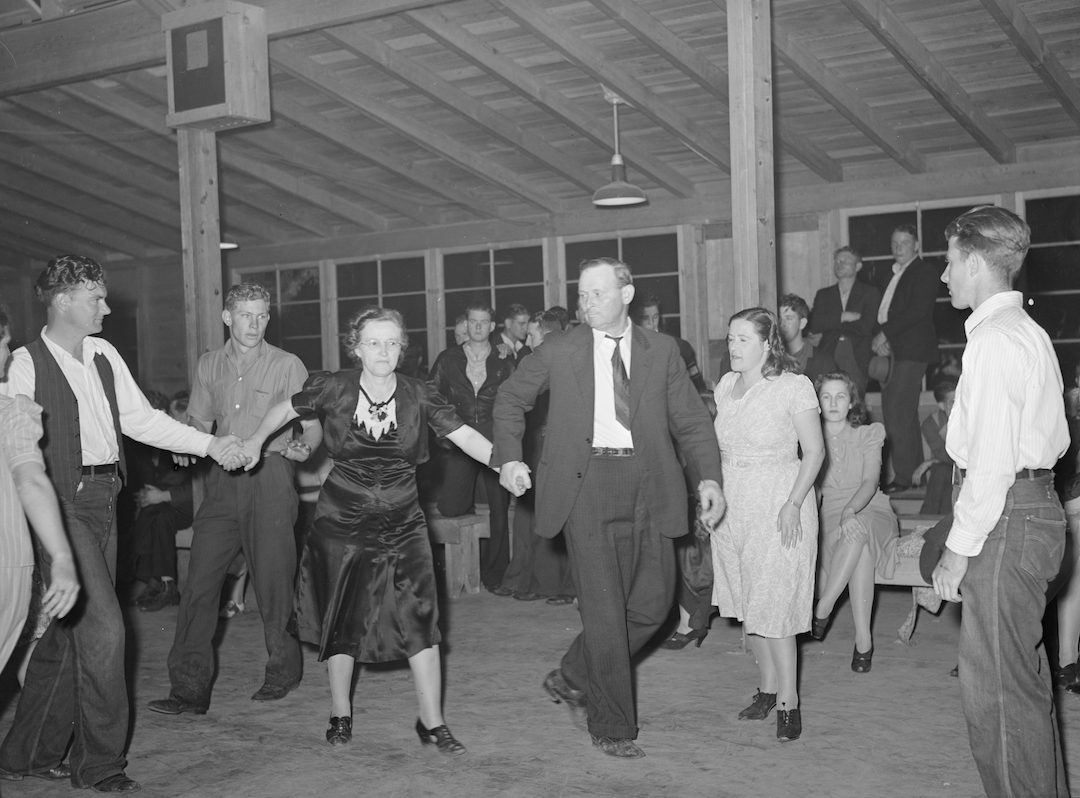
That’s right — line dancing. You might’ve seen it in The Economist, Wall Street Journal, or NPR. Or maybe your friend just bought their first pair of boots and started listening to Ella Langley.
When you work in the design industry, it’s always good to have a non-design hobby. Trying something new can help you find inspiration in your writing and make your work feel a little bit less like an echo chamber. This was my mindset when my friend invited me to my first honky tonk a year ago with zero dance experience and an open calendar.
My first night, I was smooth as a mechanical bull in a china shop. I’m counting under my breath, watching the person next to me, and trying not to stumble over my two left feet. But under the twinkly lights of that disco ball, I was hooked.
This is what I learned after a year of many, many honky tonks.
Originality Is Overvalued.
Brand strategy, especially copywriting, has an originality problem.
We chase novelty and reward cleverness. We treat differentiation like a performance metric because the assumption is simple: if it hasn’t been seen before, it must be better.
But in practice, the most effective brands don’t feel radically new. They feel familiar in a way that’s hard to explain. You recognize them instantly. You know how they sound before they speak. You can predict their tone, their pacing, even their point of view.
Brands don’t win because they’re unpredictable. They win because they’re in sync.

The Myth of Consistency
“Be consistent” is one of the most repeated and least understood principles in branding.
Consistency often gets interpreted as sameness. Use the same words. Follow the same templates. Stay within the guidelines. The result is usually lifeless and overly controlled. It’s the equivalent of a room full of people hitting the right steps but completely out of time.
Consistency doesn’t mean repetition. It’s about creating a rhythm that people will actually remember. In line dancing, everyone is technically doing the same thing. The choreography is fixed. But what makes it work — what makes it feel good — is timing. Like the collective sound of the heel-toe’s and the hitches hitting the hardwood floors. It’s the cadence.
Brands work the same way.
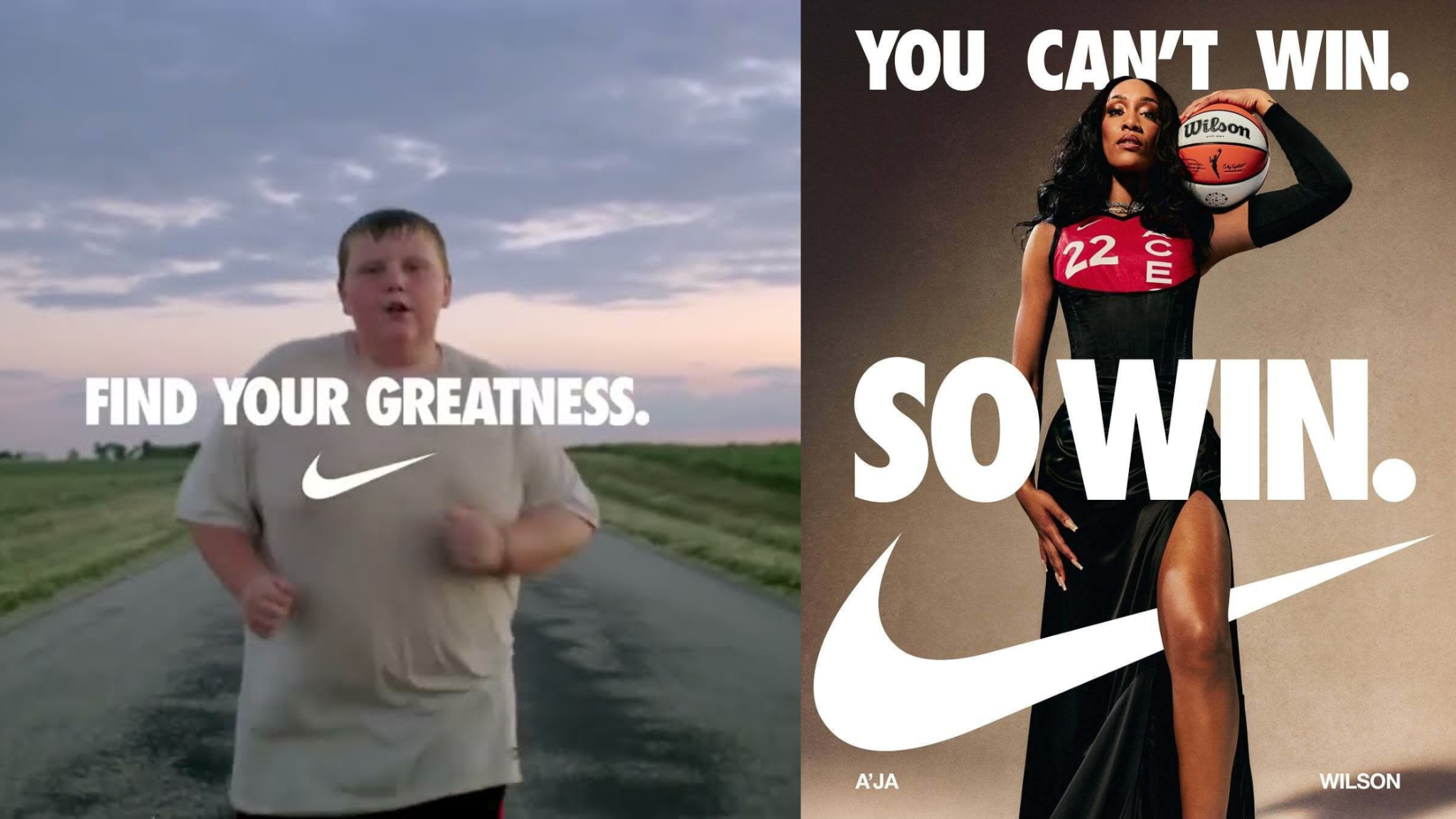
Your audience might remember a snappy tagline like Nike’s “Just Do It.” But at first glance, audiences can also recognize these messages.
They remember because of the pattern of how your brand reinforces its messaging across channels, from the big headlines to the fine print. It’s the singular voice of your brand, not just a tagline.
That’s rhythm.
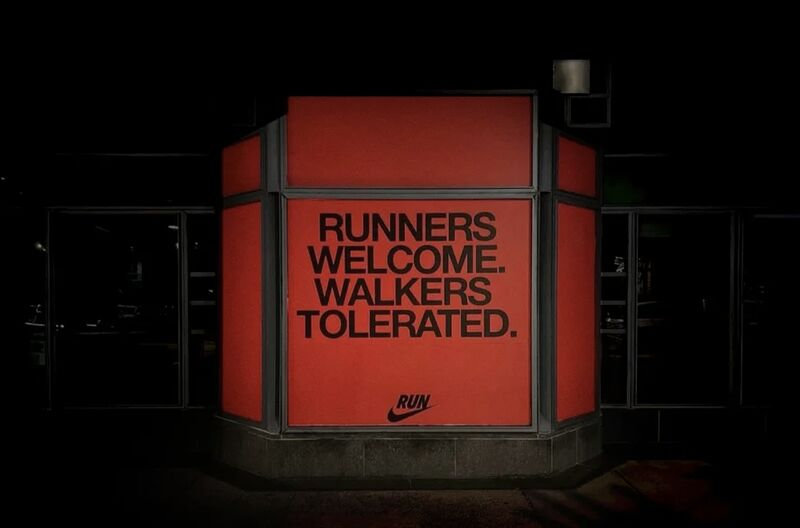
What happens when you fall off beat? Your audience can pick up on it. “Runners welcome. Walkers tolerated.” It carries the same intensity but takes a step too far. Nike’s audience felt the difference and spoke up.
Rhythm builds familiarity. It builds trust. When you go off the beat, you better make sure it’s worth watching.
You Don’t Need to Be Original. You Need to Be In Sync.
The goal of brand strategy isn’t to make every piece of communication unique.
It’s to make everything feel like it belongs together. To create a kind of coherence that’s bigger than any single campaign or line of copy. It’s about building a system where different people, across different contexts, can still move together. Think less like a solo and more like group choreo.
The best copy doesn’t try to reinvent language every time. It builds on itself. It uses repetition strategically. It establishes a tempo that audiences can fall into without much effort.

When I worked with the Children’s Hospital Association for their “Made Possible” campaign, the copy construct was simple. Certainly not original. Every hospital could make this claim to big “first’s” or “another’s,” but what made it distinct was the synchronization.
When the time came for another awareness campaign, “Put Kids First” followed the brand strategy, balancing the uplifting work of children’s hospitals while conveying the seriousness of pediatric funding that required direct attention. Consistency in this brand voice still communicated their direct impact: the everyday life that children’s hospitals make possible.

Consistency doesn’t have to be boring. It’s about being legible. A simple construct makes copywriters write more efficiently. It makes audiences understand with ease and makes messages compound in meaning instead of competing for the limelight.
Most importantly, people know how to “move” with you.
Find Freedom in the System.
Here’s the paradox: the more structured line dancing becomes, the more expressive it feels.
Once everyone knows the choreography, there’s room for nuance. Style. Confidence. Even a little flair. The same is true for brands.
Rigid guidelines don’t create great work. But clear systems, recognizable rhythms, repeatable ways of speaking do. That’s why we create tonality guidelines, writing styleguides, and do’s and dont’s. They remove the friction of “What do I write now?” and they allow intuition to take over.
Once you know the step sheet, you can add another spin or two.
Stop Chasing Steps. Start Finding the Beat.
If your brand feels inconsistent, the answer isn’t tighter control or more rules. It’s better rhythm. Look at where your brand voice speeds up or slows down. Where things feel off, not because they’re different, but because they’re out of sync.
Originality will always have its place, but it’s not the foundation. Rhythm is. And once you find it, everything else gets easier to follow.

Chelsea Sy is a Brooklyn-based strategist and copywriter. Working across industries, Chelsea helps brands define their positioning and find their voice through brand strategy, verbal identity, and creative campaigns. Her work has been recognized by The Drum, ADC, and PRNEWS. When she’s not working on compelling brands, you can find her line dancing across New York City.
That’s right — line dancing. You might’ve seen it in The Economist, Wall Street Journal, or NPR. Or maybe your friend just bought their first pair of boots and started listening to Ella Langley.
When you work in the design industry, it’s always good to have a non-design hobby. Trying something new can help you find inspiration in your writing and make your work feel a little bit less like an echo chamber. This was my mindset when my friend invited me to my first honky tonk a year ago with zero dance experience and an open calendar.
My first night, I was smooth as a mechanical bull in a china shop. I’m counting under my breath, watching the person next to me, and trying not to stumble over my two left feet. But under the twinkly lights of that disco ball, I was hooked.
This is what I learned after a year of many, many honky tonks.
Originality Is Overvalued.
Brand strategy, especially copywriting, has an originality problem.
We chase novelty and reward cleverness. We treat differentiation like a performance metric because the assumption is simple: if it hasn’t been seen before, it must be better.
But in practice, the most effective brands don’t feel radically new. They feel familiar in a way that’s hard to explain. You recognize them instantly. You know how they sound before they speak. You can predict their tone, their pacing, even their point of view.
Brands don’t win because they’re unpredictable. They win because they’re in sync.
The Myth of Consistency
“Be consistent” is one of the most repeated and least understood principles in branding.
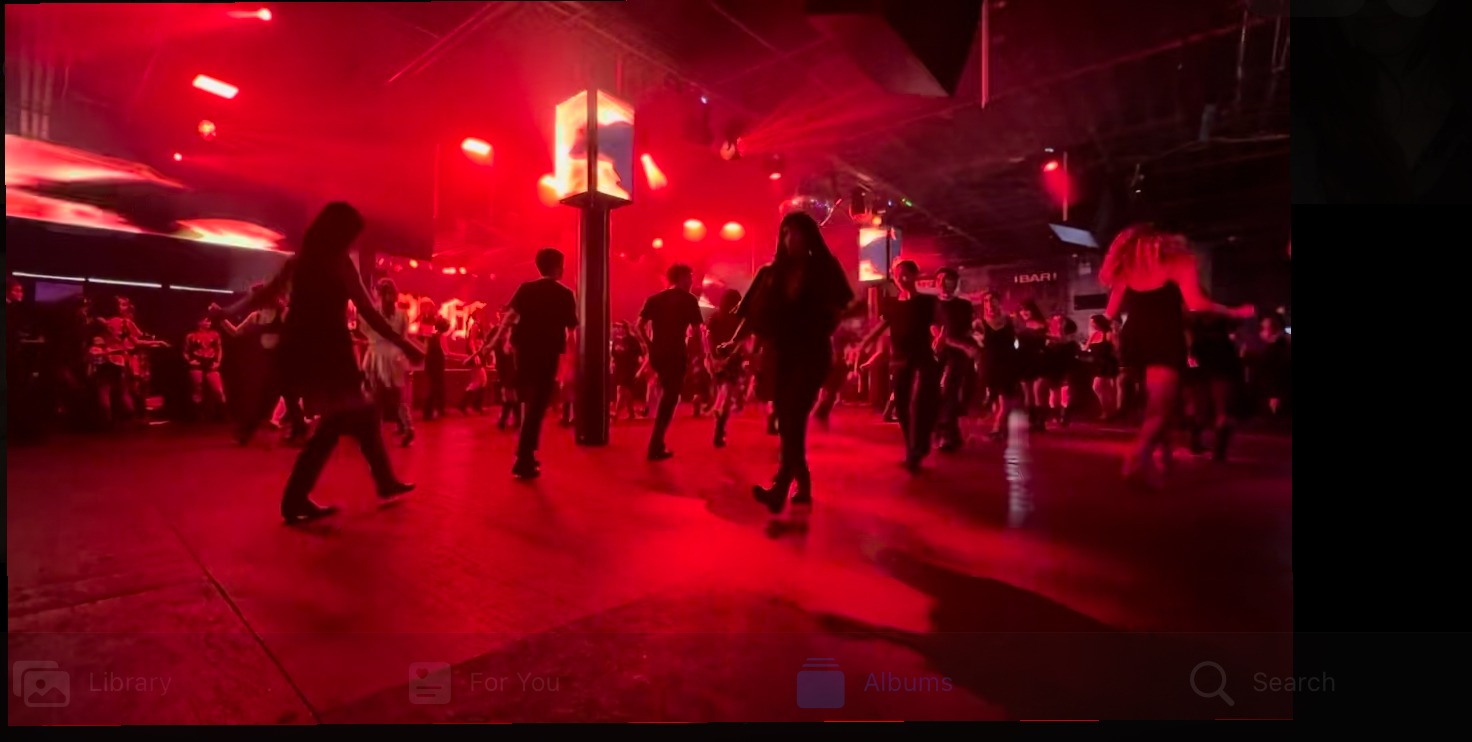
Consistency often gets interpreted as sameness. Use the same words. Follow the same templates. Stay within the guidelines. The result is usually lifeless and overly controlled. It’s the equivalent of a room full of people hitting the right steps but completely out of time.
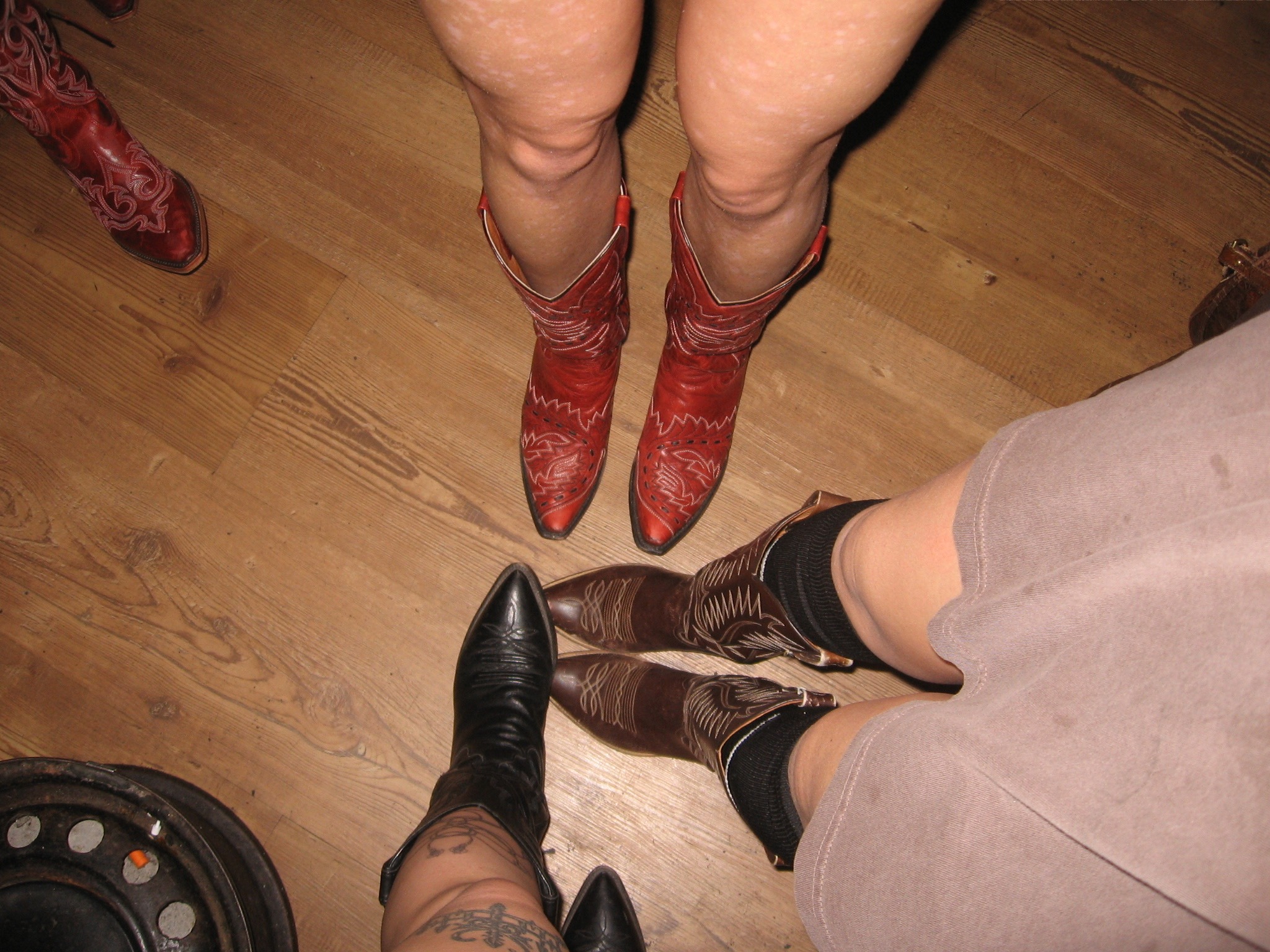
Consistency doesn’t mean repetition. It’s about creating a rhythm that people will actually remember. In line dancing, everyone is technically doing the same thing. The choreography is fixed. But what makes it work — what makes it feel good — is timing. Like the collective sound of the heel-toe’s and the hitches hitting the hardwood floors. It’s the cadence.
Brands work the same way.
Your audience might remember a snappy tagline like Nike’s “Just Do It.” But at first glance, audiences can also recognize these messages.
They remember because of the pattern of how your brand reinforces its messaging across channels, from the big headlines to the fine print. It’s the singular voice of your brand, not just a tagline.
That’s rhythm.
What happens when you fall off beat? Your audience can pick up on it. “Runners welcome. Walkers tolerated.” It carries the same intensity but takes a step too far. Nike’s audience felt the difference and spoke up.
Rhythm builds familiarity. It builds trust. When you go off the beat, you better make sure it’s worth watching.
You Don’t Need to Be Original. You Need to Be In Sync.
The goal of brand strategy isn’t to make every piece of communication unique.
It’s to make everything feel like it belongs together. To create a kind of coherence that’s bigger than any single campaign or line of copy. It’s about building a system where different people, across different contexts, can still move together. Think less like a solo and more like group choreo.
The best copy doesn’t try to reinvent language every time. It builds on itself. It uses repetition strategically. It establishes a tempo that audiences can fall into without much effort.
When I worked with the Children’s Hospital Association for their “Made Possible” campaign, the copy construct was simple. Certainly not original. Every hospital could make this claim to big “first’s” or “another’s,” but what made it distinct was the synchronization.
When the time came for another awareness campaign, “Put Kids First” followed the brand strategy, balancing the uplifting work of children’s hospitals while conveying the seriousness of pediatric funding that required direct attention. Consistency in this brand voice still communicated their direct impact: the everyday life that children’s hospitals make possible.
Consistency doesn’t have to be boring. It’s about being legible. A simple construct makes copywriters write more efficiently. It makes audiences understand with ease and makes messages compound in meaning instead of competing for the limelight.
Most importantly, people know how to “move” with you.
Find Freedom in the System.
Here’s the paradox: the more structured line dancing becomes, the more expressive it feels.
Once everyone knows the choreography, there’s room for nuance. Style. Confidence. Even a little flair. The same is true for brands.
Rigid guidelines don’t create great work. But clear systems, recognizable rhythms, repeatable ways of speaking do. That’s why we create tonality guidelines, writing styleguides, and do’s and dont’s. They remove the friction of “What do I write now?” and they allow intuition to take over.
Once you know the step sheet, you can add another spin or two.
Stop Chasing Steps. Start Finding the Beat.
If your brand feels inconsistent, the answer isn’t tighter control or more rules. It’s better rhythm. Look at where your brand voice speeds up or slows down. Where things feel off, not because they’re different, but because they’re out of sync.
Originality will always have its place, but it’s not the foundation. Rhythm is. And once you find it, everything else gets easier to follow.
Chelsea Sy is a Brooklyn-based strategist and copywriter. Working across industries, Chelsea helps brands define their positioning and find their voice through brand strategy, verbal identity, and creative campaigns. Her work has been recognized by The Drum, ADC, and PRNEWS. When she’s not working on compelling brands, you can find her line dancing across New York City.
Further Reading

.jpeg)