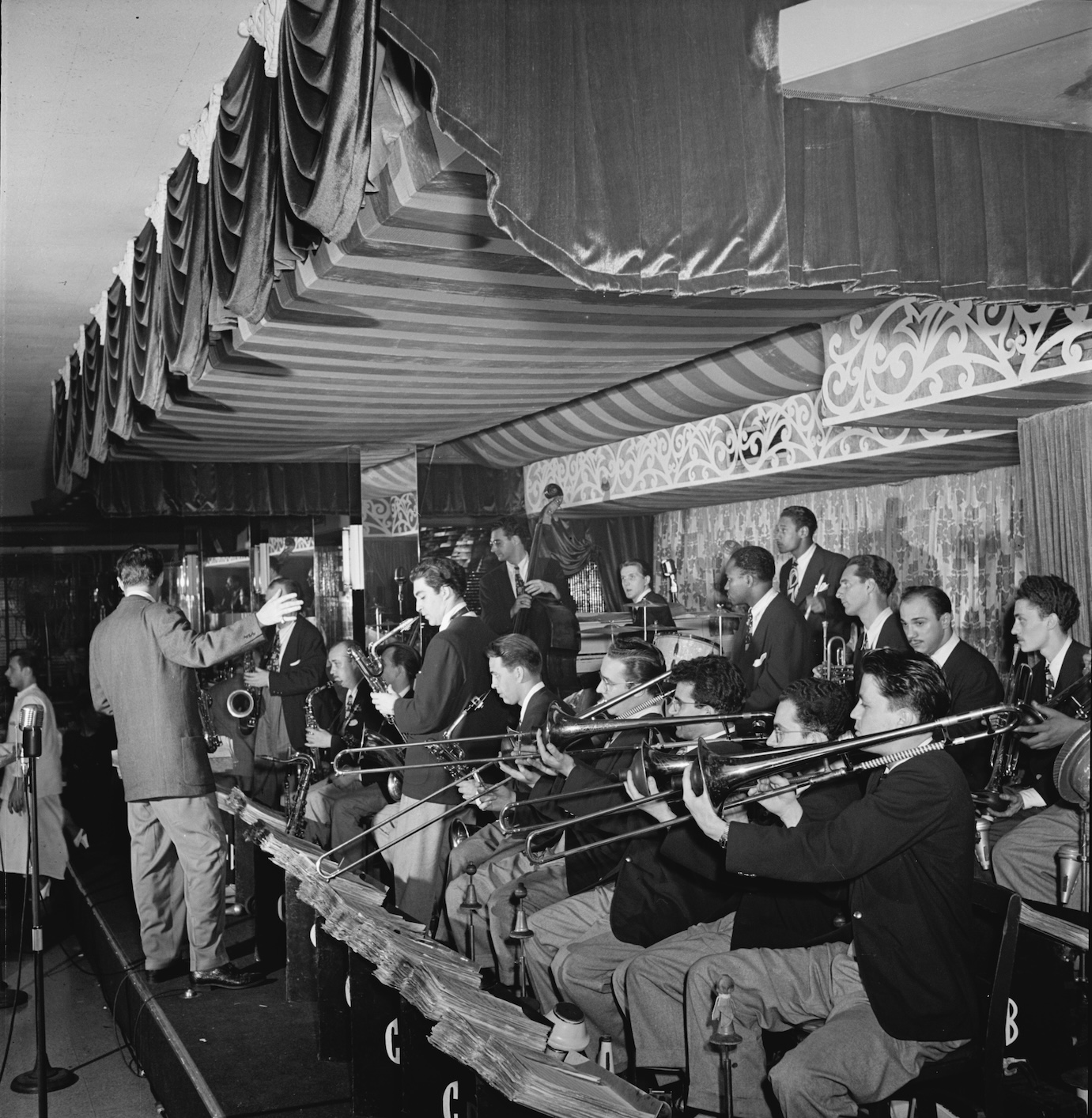
Directed by Molly O'Brien, the short documentary “The Only Girl in The Orchestra” tells the story of Orin O’Brien, a double bassist who became New York Philharmonic's very first female musician in 1966 under the direction of maestro Leonard Bernstein. During her remarkable fifty-five years within the ensemble, O’Brien found joy in playing a supporting role. She didn’t seek individual fame or prestige. Instead, this uniquely talented, paradigm shifter of a musician spent her entire career creating the rhythmic foundation from which other musicians could shine.
The bass, an instrument that serves as the bedrock of an ensemble, is integral to western classical music. But rarely are bassists the stars of the show. While the conductor and other players understand, appreciate and value the role of a bass player, the general public can miss the subtlety of its sound amidst the richness of the melody.
Similarly, project managers spend their careers as invisible yet essential instruments from which a creative symphony comes to life.
As a confident kid, I was certain I’d be the star of the show, unlike O’Brien who consciously searched for a spot in the shade after having grown up with famous parents.
As I've built a two-decade career delivering projects, I’ve come to realize that facilitating greatness can be as fulfilling as creating it. I take to heart the mission of being the best remover-of-road-blocks, troubleshooter, cheerleader, therapist and badass project manager I can be. I have found deep meaning and joy in a job that can often sound gray and dull to others.
As I've built a two-decade career delivering projects, I’ve come to realize that facilitating greatness can be as fulfilling as creating it.
As my confidence in my skillset grew timidly and over time I began to see the impact I had on the final product. The best creative work happens in harmony, when specialized minds contribute different notes to the same concert. A strategist brings clarity. A designer: form. A writer: voice. Together, each idea vibrates in response to the other and a melody much stronger and compelling emerges.
It took me years to understand that I wasn’t just organizing the work. I was creating the conditions from which resonance could flower. Setting the tone and the tempo. Protecting time and space. Clearing the path for smooth transitions within deliverables. Pulling the right people together at the right moment. Like a bassist, I wasn't carrying the music, but I was essential to the fullness of the composition.
As soon as I embraced the parameters of my role, I stopped measuring my success by the metrics of others, and started measuring it by impact. Nobody leaves the theater humming the bass line, but remove it and the music not only loses its infrastructure, it may collapse entirely.
Nobody leaves the theater humming the bass line, but remove it and the music not only loses its infrastructure, it may collapse entirely.
In a world where the loudest voice often becomes the right point of view, influencing action and change through a quiet dance is a subversive act. Project management is not about being a thought leader or rising to the top. It’s about setting the tone, playing consistently and becoming the sounding board on which the other musicians can rely.
In a world where the loudest voice often becomes the right point of view, influencing action and change through a quiet dance is a subversive act.
The audience may applaud the soloist when the music ends, but the bassist proudly bows, confident in the knowledge that the notes are nothing without her rhythm.
Caroline Gregory has spent the last two decades helping teams turn ideas into reality. She thrives at the intersection of creativity, operations and human connection. She believes the best work happens when talented people are given the space, trust and support to do what they do best. When she's not building projects, she's gardening, running her kids around or reading a book.
Directed by Molly O'Brien, the short documentary “The Only Girl in The Orchestra” tells the story of Orin O’Brien, a double bassist who became New York Philharmonic's very first female musician in 1966 under the direction of maestro Leonard Bernstein. During her remarkable fifty-five years within the ensemble, O’Brien found joy in playing a supporting role. She didn’t seek individual fame or prestige. Instead, this uniquely talented, paradigm shifter of a musician spent her entire career creating the rhythmic foundation from which other musicians could shine.
The bass, an instrument that serves as the bedrock of an ensemble, is integral to western classical music. But rarely are bassists the stars of the show. While the conductor and other players understand, appreciate and value the role of a bass player, the general public can miss the subtlety of its sound amidst the richness of the melody.
Similarly, project managers spend their careers as invisible yet essential instruments from which a creative symphony comes to life.
As a confident kid, I was certain I’d be the star of the show, unlike O’Brien who consciously searched for a spot in the shade after having grown up with famous parents.
As I've built a two-decade career delivering projects, I’ve come to realize that facilitating greatness can be as fulfilling as creating it. I take to heart the mission of being the best remover-of-road-blocks, troubleshooter, cheerleader, therapist and badass project manager I can be. I have found deep meaning and joy in a job that can often sound gray and dull to others.
As I've built a two-decade career delivering projects, I’ve come to realize that facilitating greatness can be as fulfilling as creating it.
As my confidence in my skillset grew timidly and over time I began to see the impact I had on the final product. The best creative work happens in harmony, when specialized minds contribute different notes to the same concert. A strategist brings clarity. A designer: form. A writer: voice. Together, each idea vibrates in response to the other and a melody much stronger and compelling emerges.
It took me years to understand that I wasn’t just organizing the work. I was creating the conditions from which resonance could flower. Setting the tone and the tempo. Protecting time and space. Clearing the path for smooth transitions within deliverables. Pulling the right people together at the right moment. Like a bassist, I wasn't carrying the music, but I was essential to the fullness of the composition.
As soon as I embraced the parameters of my role, I stopped measuring my success by the metrics of others, and started measuring it by impact. Nobody leaves the theater humming the bass line, but remove it and the music not only loses its infrastructure, it may collapse entirely.
Nobody leaves the theater humming the bass line, but remove it and the music not only loses its infrastructure, it may collapse entirely.
In a world where the loudest voice often becomes the right point of view, influencing action and change through a quiet dance is a subversive act. Project management is not about being a thought leader or rising to the top. It’s about setting the tone, playing consistently and becoming the sounding board on which the other musicians can rely.
In a world where the loudest voice often becomes the right point of view, influencing action and change through a quiet dance is a subversive act.
The audience may applaud the soloist when the music ends, but the bassist proudly bows, confident in the knowledge that the notes are nothing without her rhythm.
Caroline Gregory has spent the last two decades helping teams turn ideas into reality. She thrives at the intersection of creativity, operations and human connection. She believes the best work happens when talented people are given the space, trust and support to do what they do best. When she's not building projects, she's gardening, running her kids around or reading a book.
Further Reading